





A Record-Breaking Breakthrough
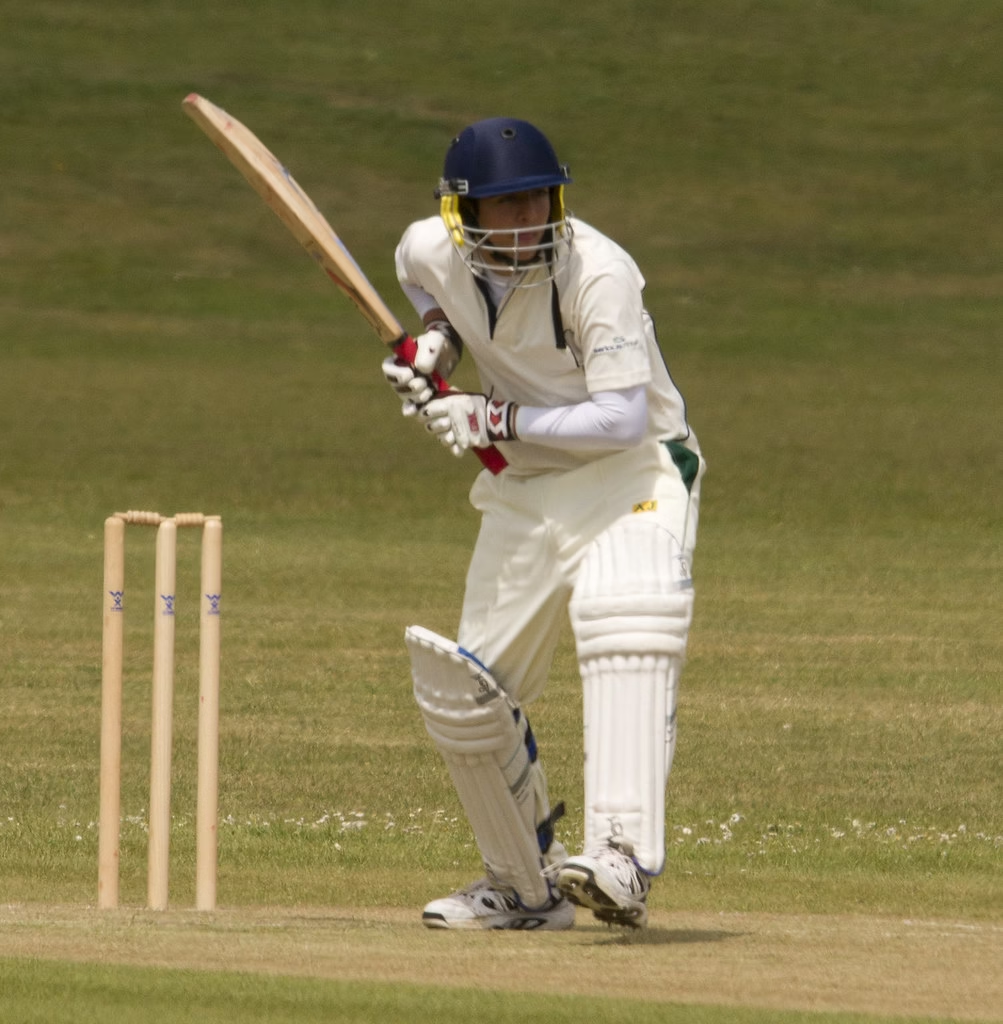
Fifteen-year-old batting prodigy Vaibhav Sooryavanshi has stunned the cricketing world during the 2026 Indian Premier League (IPL) season, racking up a staggering 776 runs at a strike rate exceeding 230. The teenager’s meteoric rise culminated in a series of fearless performances that dismantled elite bowling attacks, cementing his status as the most promising young talent in global cricket.
Setting the Context
The IPL has long served as a launchpad for young Indian talent, but Sooryavanshi’s dominance at age 15 is unprecedented in the tournament’s history. Before this season, the league had seen flashes of brilliance from teenagers, yet none had displayed the combination of tactical maturity and raw, uninhibited power that Sooryavanshi brought to the crease throughout the 2026 campaign.
The Cummins Encounter
The intensity of Sooryavanshi’s impact was best illustrated by his confrontation with Australian captain and world-class fast bowler Pat Cummins. During a high-stakes match, the teenager took the veteran international to task, showing no signs of intimidation against one of the world’s premier speedsters.
Cummins, known for his precision and composure, later admitted that he was left feeling as though he were bowling to a seasoned veteran rather than a high-schooler. He described the teenager’s ball-striking ability as exceptional, noting that the sheer confidence behind the youngster’s shots made him incredibly difficult to contain.
Data-Driven Dominance
Statistical analysis of the 2026 season highlights why Sooryavanshi has become a nightmare for opposing captains. With a strike rate consistently above 230, he is currently operating at an efficiency level that outpaces many of the world’s established T20 specialists. His ability to clear the boundary from the first ball of his innings has forced teams to adjust their field placements and bowling strategies, often to no avail.
Broader Industry Implications
The success of Sooryavanshi signals a shift in how talent pipelines are managed, with scouts now looking deeper into grassroots levels to identify players capable of immediate impact. His performance challenges the traditional notion that young players require a long transition period before adjusting to the physical and mental rigors of professional cricket.
For the sport, this phenomenon raises questions about the future of international selection policies and the pressure placed on young athletes. As the cricket world watches, the primary focus will now shift to how Sooryavanshi manages his workload and expectations in the coming year. Observers are particularly keen to see how he handles the inevitable ‘second-season syndrome’ and whether his technique remains robust as international analysts dissect his every move.