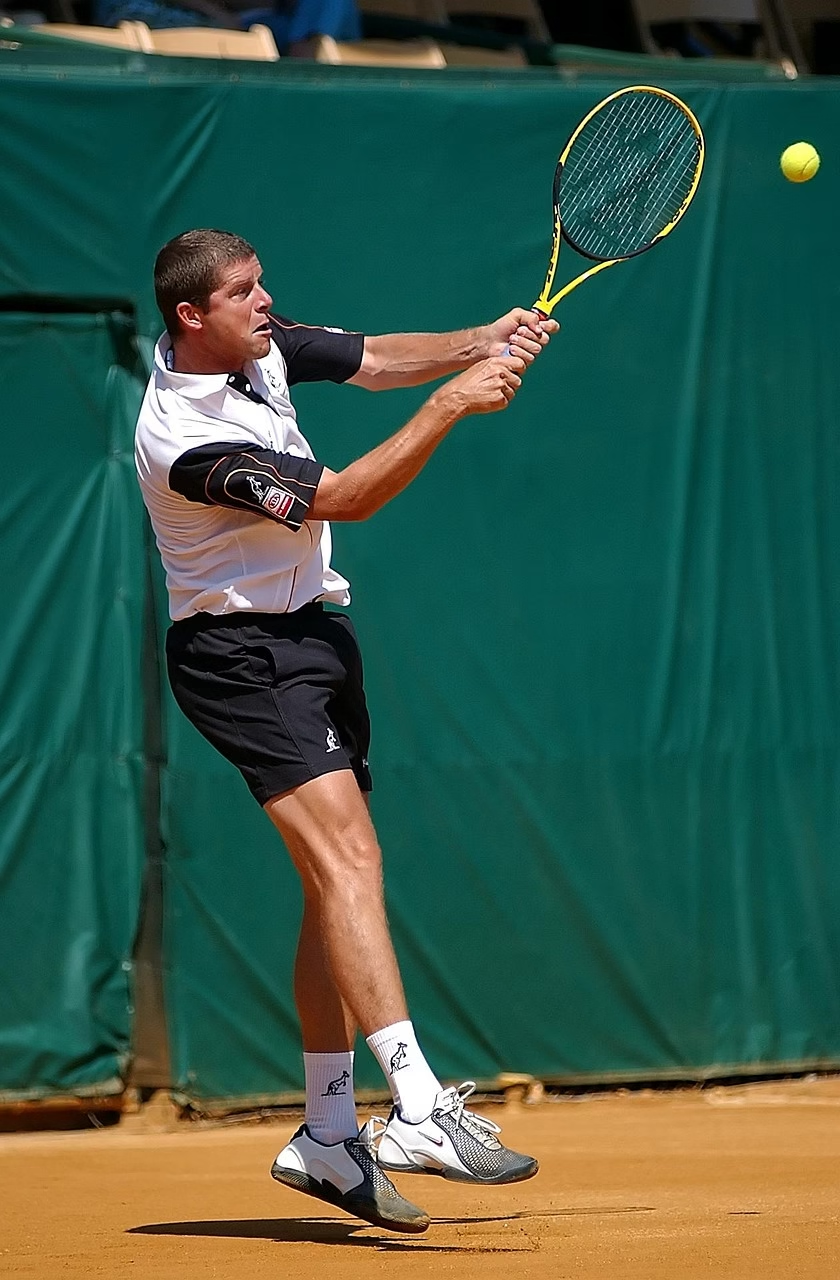






The French Open, held annually at Roland–Garros in Paris, has faced mounting criticism after organizers scheduled the first eight premier night sessions of the 2024 tournament exclusively for men’s singles matches. This scheduling pattern, which has persisted throughout the opening week of the Grand Slam, has reignited long-standing debates regarding gender equity in professional tennis and the commercial prioritization of high-profile male athletes.
The Evolution of Night Sessions at Roland-Garros
Night sessions were introduced to the French Open in 2021, providing the tournament with an additional prime-time broadcast window similar to those utilized by the US and Australian Opens. While organizers have touted these sessions as a way to enhance the fan experience and maximize broadcast revenue, the selection process for these matches remains opaque.
Historically, the tournament has faced pressure to balance the draw between genders. However, the 2024 tournament has seen a distinct reliance on high-profile men’s stars to anchor these evening slots, leaving top-ranked women’s players to compete during the day.
The Mechanics of Scheduling Decisions
Tournament officials typically determine the night session lineup based on a combination of broadcast agreements, ticket demand, and player popularity. Amelie Mauresmo, the tournament director, has previously acknowledged the difficulty of balancing these interests while ensuring the women’s game receives adequate visibility.
Critics argue that by consistently relegating women to daytime slots, the tournament reinforces a perception that men’s matches are the primary product. This scheduling preference affects more than just optics; it impacts player recovery times, media exposure, and the overall prestige associated with playing under the stadium lights at Court Philippe-Chatrier.
Expert Perspectives on Gender Parity
Sports equity advocates point to data indicating that consistent prime-time exposure is essential for building the marketability of female athletes. According to recent reports from the Women’s Tennis Association (WTA), visibility correlates directly with sponsorship growth and fan engagement levels.