


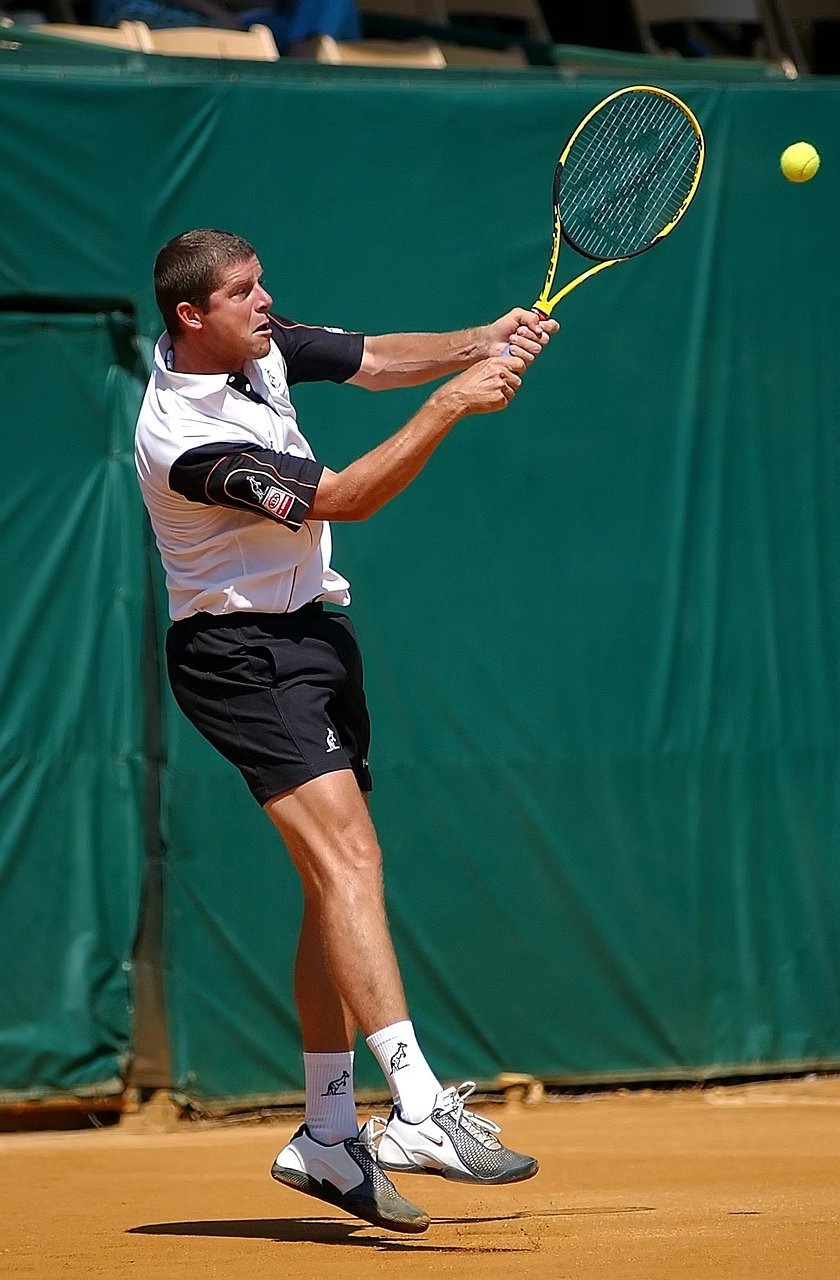
Polish tennis qualifier Maja Chwalinska captured international attention at this year’s French Open in Paris, marking a career-defining breakthrough after 18 years of relentless dedication. Her performance on the clay courts of Roland-Garros saw the underdog navigate through the grueling qualifying rounds to secure a spot in the main draw, proving that years of patience and perseverance can bridge the gap between regional obscurity and the global stage.
The Road to Roland-Garros
Chwalinska’s path to Paris was far from conventional, characterized by years of navigating the lower rungs of the professional tennis circuit. For nearly two decades, the Polish athlete balanced the physical demands of the sport with the mental toll of climbing the WTA rankings.
Qualifying for a Grand Slam tournament remains one of the most difficult feats in professional tennis. Players must win three consecutive matches against high-level opponents just to earn the right to compete in the main draw, a hurdle that often weeds out those without the necessary experience or stamina.
A Test of Resilience
The French Open serves as the ultimate litmus test for endurance, requiring players to perform on a surface that punishes those who lack patience. Chwalinska’s success in the qualifying rounds highlighted a shift in her tactical approach, emphasizing long rallies and strategic placement over raw power.
Sports psychologists often point to the mental fortitude required for players who spend years competing in lower-tier tournaments. Unlike top-seeded players who enjoy direct entry, qualifiers arrive at the main draw with match-hardened confidence, having already proven their ability to win under pressure.
Industry Implications and Future Outlook
For the tennis industry, Chwalinska’s run underscores the depth of talent currently residing outside the top 100 rankings. Her trajectory provides a blueprint for younger players who may feel discouraged by a lack of immediate, high-profile success.
Data from the WTA suggests that the average age of a career-best performance is trending upward as athletes prioritize longevity and specialized conditioning. Chwalinska’s ability to remain competitive after years of grinding suggests that the professional landscape is becoming increasingly favorable to those who prioritize sustained growth over early burnout.
Observers will be watching closely to see if Chwalinska can maintain this momentum throughout the remainder of the season. Her next challenge lies in leveraging her newfound ranking points to secure direct entry into future Grand Slam events, potentially avoiding the exhausting qualifying circuit entirely. Whether she can solidify her place among the world’s elite will depend on her ability to translate this Parisian success into consistent performances on faster surfaces.