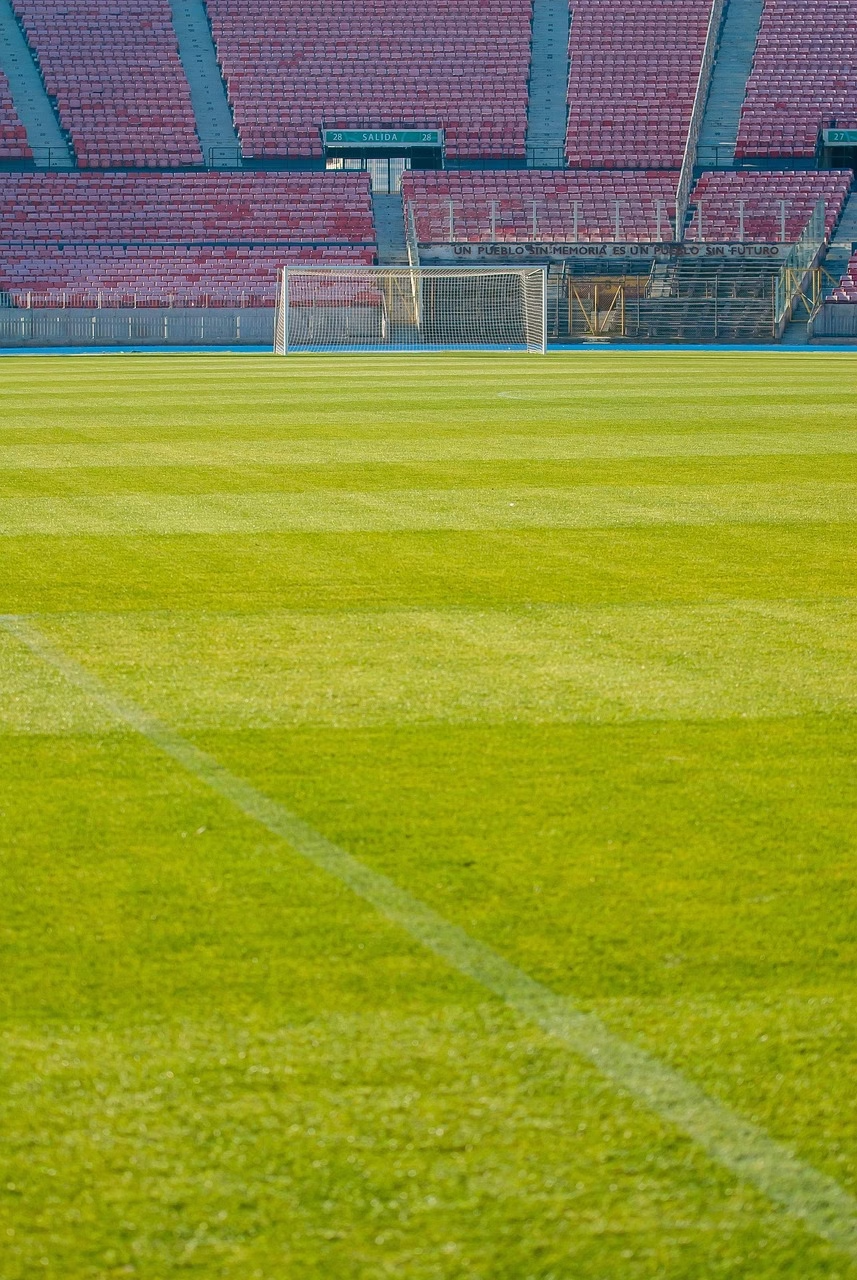








England’s recent international friendly against Costa Rica faced a significant disruption this week as extreme weather conditions forced a last-minute delay, sparking urgent questions about the vulnerability of modern sporting events to climate instability. As tournament organizers and governing bodies monitor shifting global weather patterns, the incident has highlighted the growing intersection between professional sports and the escalating frequency of severe meteorological events.
The Rising Threat of Climate Disruption
The delay in England served as a stark reminder that even the most well-planned sporting calendars are susceptible to the unpredictability of nature. High-intensity storms, unseasonal heatwaves, and extreme precipitation are increasingly interrupting outdoor fixtures, forcing administrators to grapple with safety protocols and scheduling logistics.
Historically, football matches were rarely postponed unless the pitch was deemed unplayable or travel was rendered impossible. However, the threshold for safety has shifted. Modern risk assessments now account for lightning hazards, extreme wind speeds, and the welfare of thousands of spectators navigating transit in dangerous conditions.
Logistical Challenges and Industry Response
The implications of such delays for major tournaments, such as the FIFA World Cup or European Championships, are profound. Broadcasters, sponsors, and traveling fans operate on rigid schedules, meaning that a single weather-induced postponement can trigger a ripple effect of financial and logistical complications.
According to a report by the Sport and Sustainability International (SandSI), extreme heat and weather volatility are already impacting athlete performance and fan attendance globally. The industry is currently exploring mitigation strategies, including the installation of retractable roofs, advanced drainage systems, and more flexible scheduling windows to accommodate climate-related interruptions.
Expert Perspectives on Climate Resilience
Climate scientists suggest that the frequency of these disruptions will likely increase as global temperatures continue to rise. Dr. Elena Rossi, an expert in environmental impact on sports infrastructure, notes that stadiums designed decades ago may no longer meet the requirements for modern climate resilience.
“We are moving into an era where weather is no longer a peripheral concern but a central factor in event planning,” said Rossi. “Infrastructure investment must now prioritize climate-adaptive designs to ensure the longevity of international football seasons.”
Data from recent sporting seasons indicates a 15% increase in weather-related match delays across European leagues over the last five years. These figures suggest that governing bodies must transition from reactive crisis management to proactive climate adaptation strategies.
Implications for the Future of Sport
For fans and stakeholders, the trend toward more frequent weather delays suggests a new reality for live sports. Future tournament bids may increasingly be judged on their ability to withstand environmental shocks, with geographical location and climate stability becoming key criteria for selection.
The industry will now be watching closely to see if governing bodies implement standardized policies for climate-related cancellations. Observers should look for increased investment in meteorological monitoring technology and updated stadium safety requirements as football attempts to insulate itself from the growing unpredictability of the global climate.