




The third Test between India and England saw an unexpected twist when debutant pacer Akash Deep dismissed Joe Root early in the innings, only for the on-field umpire to call it a no-ball after replays showed his front foot marginally over the line. The incident triggered intense debates among fans, former players, and experts, with many questioning the interpretation of the no-ball rule and its real-time implementation during matches.
What exactly happened?
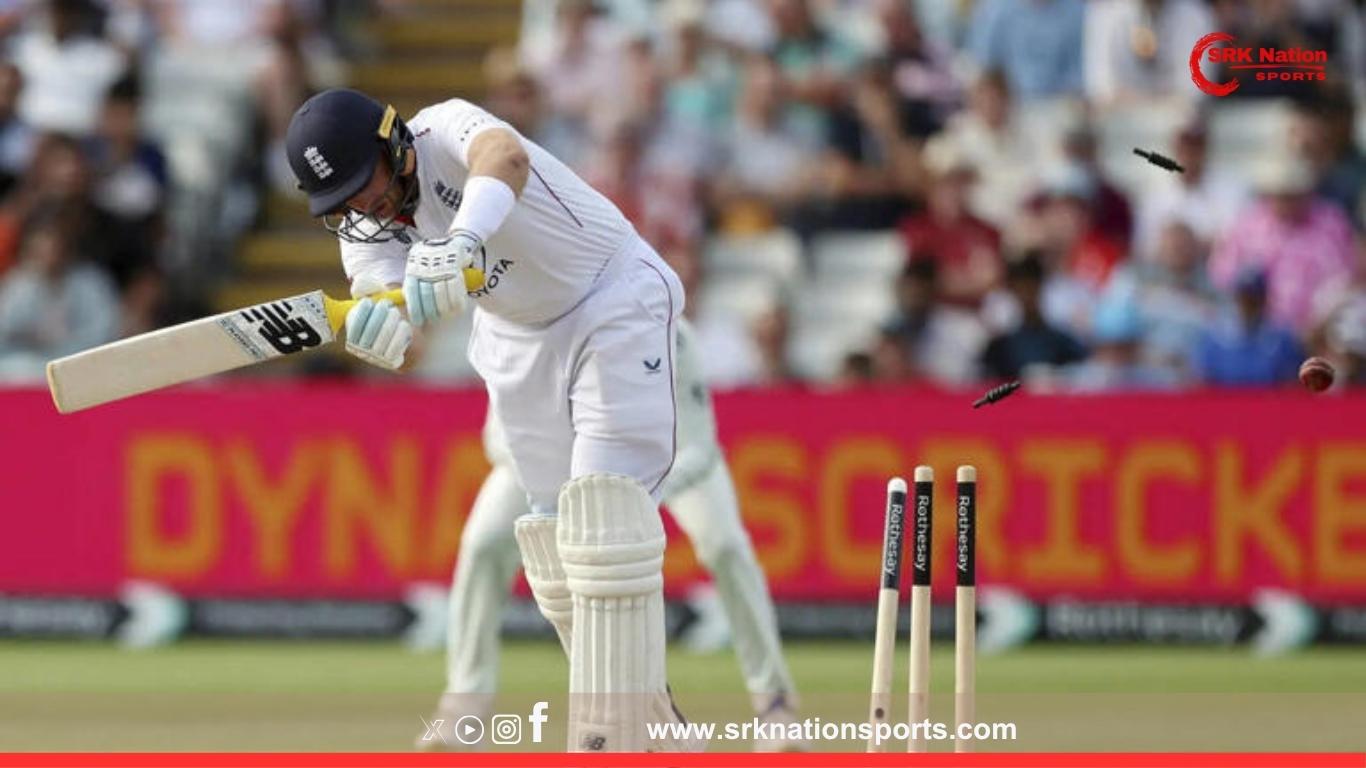
Akash Deep bowled a beautiful delivery to Joe Root that pitched on a good length, seamed away, and took the outside edge to first slip. Indian fielders erupted in celebration as Root walked off dejected. However, the joy was short-lived when the third umpire intervened to check for a no-ball.
Replays showed that Akash Deep’s front foot landed just ahead of the popping crease, leading the third umpire to signal a no-ball. Root was called back to bat, much to the frustration of Indian players and fans.
The rule behind no-ball decisions
According to Law 21.5 of the MCC Laws of Cricket regarding the front foot no-ball:
“The bowler’s front foot must land with some part, whether grounded or raised, behind the popping crease. If no part of the foot is behind the line, it is a no-ball.”
This means even if the bowler’s heel is in the air but behind the line, it is considered legal. However, in Akash Deep’s case, the entire foot was marginally ahead of the line, making it an indisputable no-ball under current rules.
Why did this decision spark controversy?
- Margin of error: Fans argued that such marginal calls go unnoticed at times, raising concerns about consistency.
- Impact on debutants: Many felt it was an unfortunate way for Akash Deep to miss out on a prized wicket in his debut Test.
- Real-time pressure: Bowlers often toe the line for extra pace and bounce. Critics argued the technology should incorporate an acceptable margin similar to the “umpire’s call” concept in LBW reviews.
Reactions from former cricketers
Sunil Gavaskar:
“Rules are rules, but I feel for Akash Deep. It was just a matter of millimetres. He bowled an excellent delivery to get a batter like Root.”
Nasser Hussain:
“It was the right decision technically. Akash Deep must ensure his landing foot is slightly behind because these margins cost crucial wickets at this level.”
Harbhajan Singh:
“The no-ball rule is clear, but sometimes you wish technology could account for these fine margins with more empathy towards bowlers.”
Social media explodes with debates
Fans flooded social media with contrasting opinions, making #AkashDeepNoBall one of the top trends.
Sample fan tweets:
- “Heartbreaking for Akash Deep. Dream debut wicket snatched away by millimetres.”
- “Rules are rules. Well done third umpire for spotting it. Root survives to fight another day.”
- “Imagine dismissing Root on debut and having it called back for a toenail-length no ball. Cricket can be cruel.”
Table: Similar controversial no-ball dismissals in recent Test history
| Bowler | Batter dismissed | Match | Outcome |
|---|---|---|---|
| Akash Deep | Joe Root | IND vs ENG 3rd Test, 2025 | No-ball, Root recalled |
| Jasprit Bumrah | David Warner | AUS vs IND, 2020 | No-ball, Warner added 50+ runs |
| Mohammad Amir | Virat Kohli | PAK vs IND Champions Trophy, 2017 | Legal dismissal overturned due to marginal front foot |
| Ben Stokes | Fakhar Zaman | ENG vs PAK Champions Trophy Final, 2017 | No-ball, Fakhar went on to score century |
Why are front foot no-balls called so strictly?
The main reason behind strict no-ball monitoring is player safety. Overstepping reduces the pitch length, allowing bowlers to deliver balls from a closer distance, increasing speed and bounce unexpectedly. This is why the ICC mandated third-umpire automatic checking to ensure every delivery is legal.
Akash Deep’s reaction to the no-ball drama
Despite missing out on Root’s wicket, Akash Deep remained composed. In a post-day interview, he said:
“Yes, it was disappointing. I need to work on my landing a bit more. But I am happy with how I bowled to Root and others. It gave me confidence.”
Such maturity on debut impressed team management and fans, showing his mental resilience and focus.
Impact on match momentum
Joe Root survived the no-ball scare but could not capitalise much as he was dismissed soon after by Ravindra Jadeja. However, the incident momentarily shifted the pressure back on the Indian bowlers, highlighting how marginal decisions can influence match momentum.
Experts call for rule re-evaluation?
Some experts suggested a potential “umpire’s call” equivalent for no-balls where a minimal portion of the foot over the line is considered marginal, not definitive. However, MCC and ICC maintain that such amendments would create ambiguity, whereas the current absolute approach ensures clarity and uniformity.
What does the ICC say about front foot no-ball technology?
The ICC implemented third umpire monitoring of front foot no-balls in 2020 to eliminate human error after repeated instances of missed no-ball calls by on-field umpires. Under the current system:
- Every delivery is automatically checked in real-time.
- The third umpire communicates immediately to the on-field umpire if a bowler oversteps.
- It removes manual monitoring burden from on-field umpires, ensuring accuracy.
Table: Key aspects of front foot no-ball rules
| Aspect | Current rule |
|---|---|
| Minimum requirement | Part of front foot must land behind popping crease |
| Heel in air but behind line | Legal delivery |
| Entire foot ahead of line | No-ball |
| Monitoring | Third umpire technology in Tests and ODIs |
Final thoughts
The Akash Deep no-ball incident serves as another reminder of cricket’s harsh realities. For bowlers, discipline in landing foot position is as crucial as line and length, especially in an era of strict technology-based monitoring.
While the rule remains unequivocal, debates about its implementation and emotional impact on debutants continue to generate passionate opinions among fans and experts alike. As for Akash Deep, his calm acceptance and strong comeback later in the innings have already cemented his reputation as a mentally strong asset for India’s pace attack.
Disclaimer: This news article is for informational purposes only. It summarises match events, player reactions, official cricket rules, and expert opinions from the ongoing India vs England Test series. Further clarifications on ICC playing conditions can be accessed from official cricket governing bodies.