



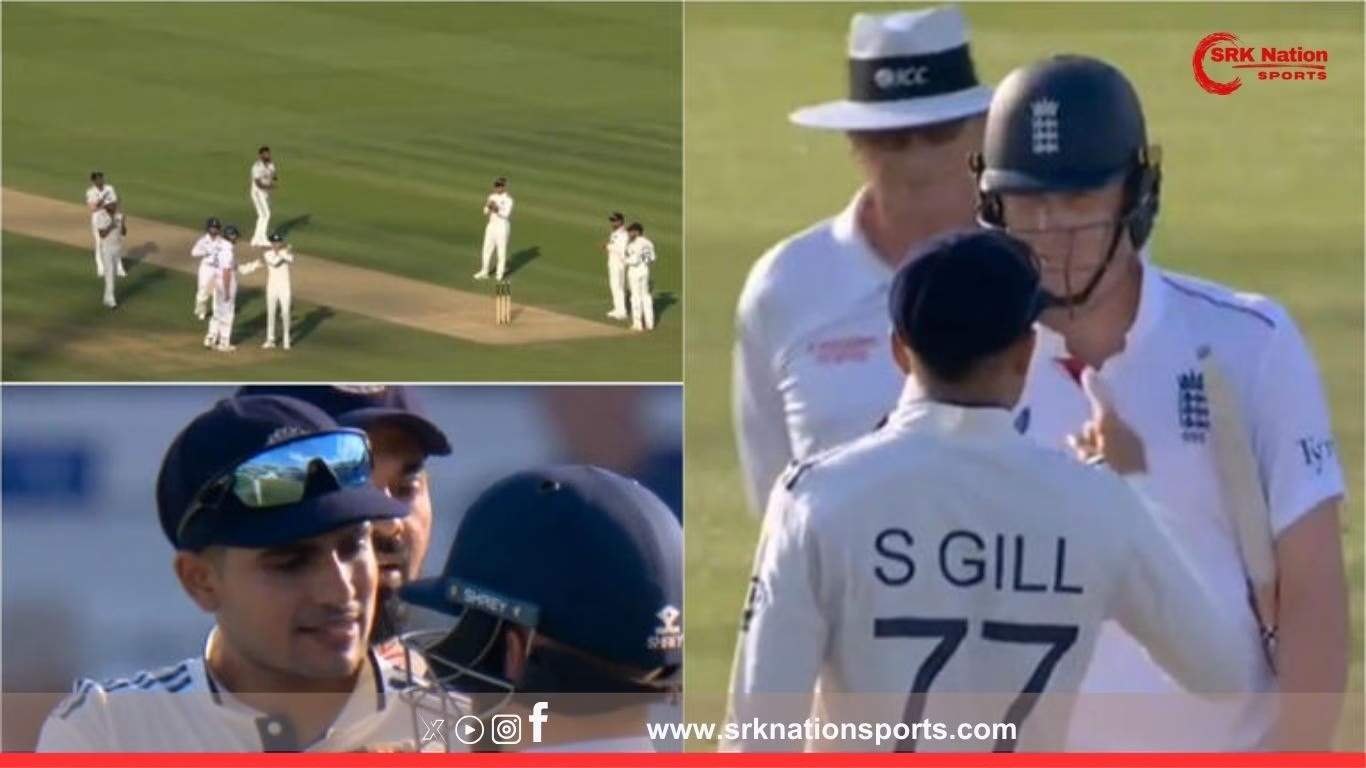
The cricketing world is abuzz after former England batsman Jonathan Trott criticised Indian captain Shubman Gill for his on-field behaviour during the tense final over of the recent IND vs ENG ODI match. Trott remarked that he “doesn’t like the acting from Shubman Gill,” fuelling debate over sportsmanship standards, captaincy pressure, and sledging culture.
What Happened In The Final Over?
The controversy unfolded in the last over when:
- India required 10 runs off 6 balls.
- Gill played a shot towards covers, attempted a risky second run, and was involved in a heated exchange with England players over a throw that narrowly missed the stumps.
- Cameras captured Gill gesturing animatedly towards the English players, appearing to protest a prior delivery he believed was a no-ball.
Jonathan Trott, analysing the match on air, criticised Gill’s gestures, saying:
“I don’t like the acting from Shubman Gill. Focus on batting and finishing the match rather than theatrics.”
Why Trott’s Comment Has Sparked Debate
Trott’s criticism has divided fans and analysts. While some argue Gill showed leadership aggression, others believe such gestures set the wrong example.
Criticism Highlights:
- Unnecessary distraction: Trott felt Gill’s reactions risked unsettling his own focus.
- Sportsmanship concern: Former players warn that frequent gestures or protests can escalate on-field tensions.
- Impact on young viewers: As captain and rising icon, Gill’s behaviour is scrutinised for setting standards for upcoming cricketers.
Support For Shubman Gill
However, several Indian experts and former cricketers defended Gill:
- Sunil Gavaskar: “He is a young captain, passionate about the game. We want that aggression.”
- Virender Sehwag: “It’s natural in tight matches. Even legends like Ponting or Kohli have shown more intense reactions.”
Shubman Gill’s Response
Speaking to post-match broadcasters, Gill downplayed the controversy:
“Emotions were high. I always play fair and hard. The focus is to finish games for India.”
Why The Stakes Were High
This ODI was crucial because:
- India was aiming to clinch the series 3-0.
- Gill was captaining in Rohit Sharma’s absence, facing pressure to prove leadership credentials.
- England had set a competitive total of 296 runs, with India losing quick middle-order wickets before Gill’s rescue act.
Trott’s Broader Critique Of Modern Batsmen
Jonathan Trott has often commented on:
| Aspect | Trott’s View |
|---|---|
| Player behaviour | Modern players focus too much on gestures and social media portrayals. |
| Technique | Believes many young batsmen compromise basics for aggressive flair. |
| Captaincy | Prefers calm demeanour under pressure, citing MS Dhoni’s example. |
Fans React On Social Media
The controversy trended overnight with hashtags like #GillVsTrott #INDvsENG #ShubmanGill. Fan reactions included:
- “Trott is jealous of Gill’s swag. He led from the front.”
- “No place for over-acting on field. Trott is right.”
- “Shubman Gill is the future. He will learn to balance aggression with calmness.”
Gill’s Captaincy Journey So Far
| Format | Matches as Captain | Win % |
|---|---|---|
| ODI | 3 | 67% |
| T20I | 4 | 75% |
| IPL | Led GT as stand-in | NA |
Experts say such controversies are part of grooming young leaders for future responsibilities in high-pressure environments.
What Next For Gill?
- India’s next ODI series is scheduled against Sri Lanka, where Gill is likely to retain captaincy if Rohit Sharma is rested.
- Coaches are expected to guide him on maintaining composure during critical match situations.
Learning From Past Greats
Many cricket pundits advise that:
- Aggression is good if channelled constructively.
- Avoiding unnecessary gestures prevents disciplinary scrutiny from match referees.
- Calm leadership inspires confidence in the dressing room.
Final Thoughts
Jonathan Trott’s sharp critique has reignited the timeless debate about aggression vs composure in cricket leadership. As Shubman Gill continues his rapid rise as India’s future captain, experts believe such moments are learning curves that will shape his temperament and leadership style.
Disclaimer: This article is intended for informational purposes only, summarising public statements, cricketing events, and expert views. It does not constitute personal or legal advice. Readers are encouraged to follow official match reports and team statements for confirmed decisions and detailed perspectives.