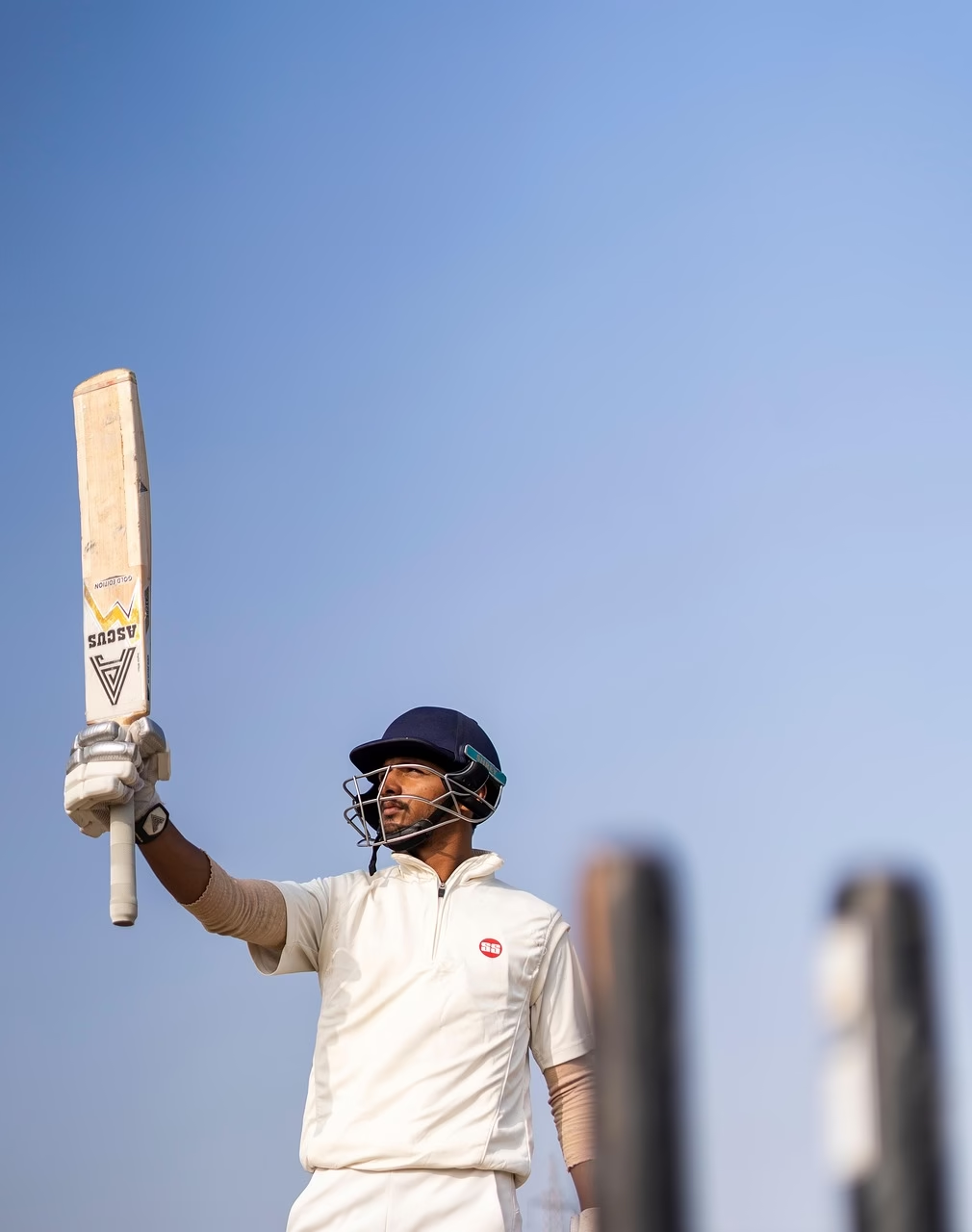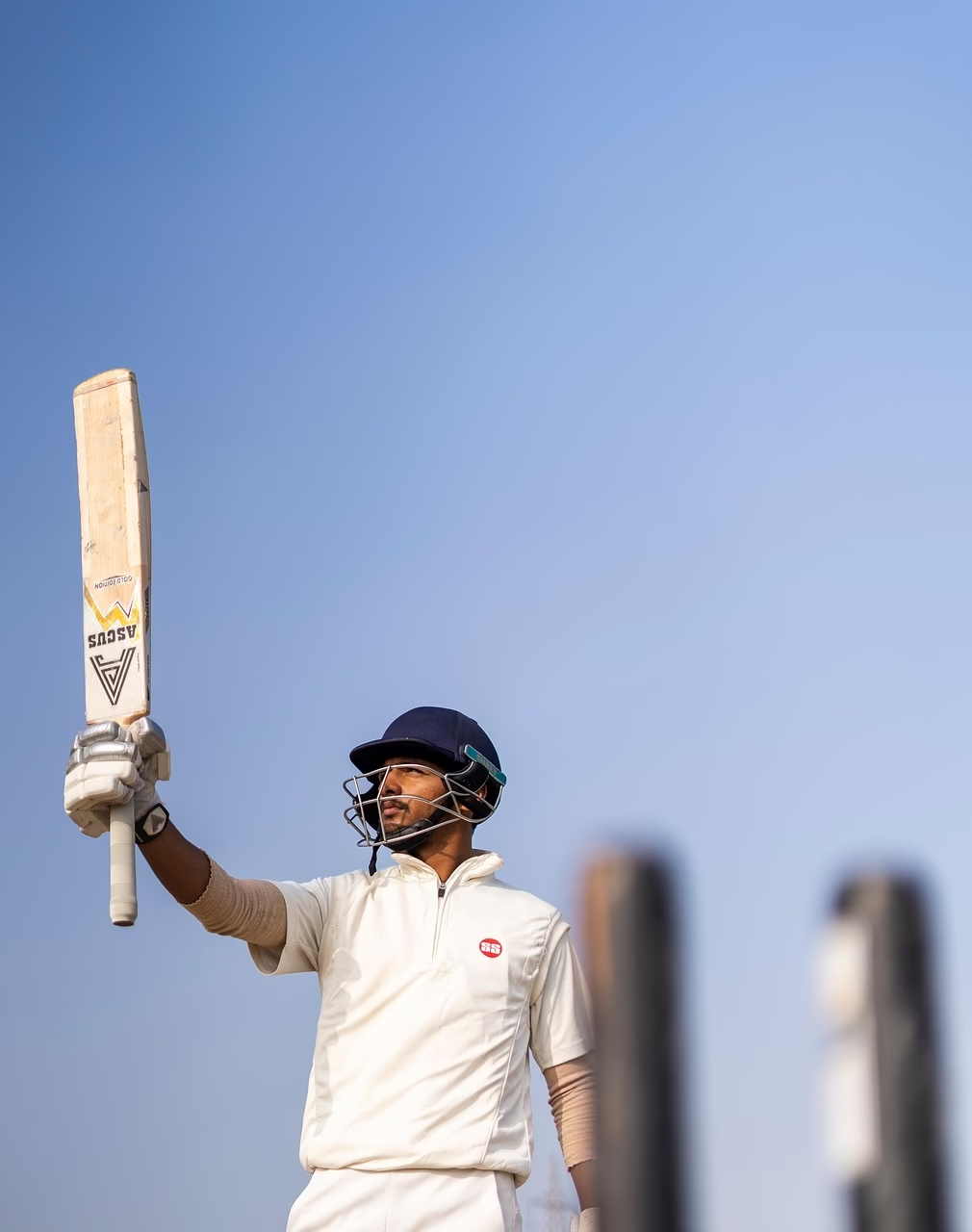



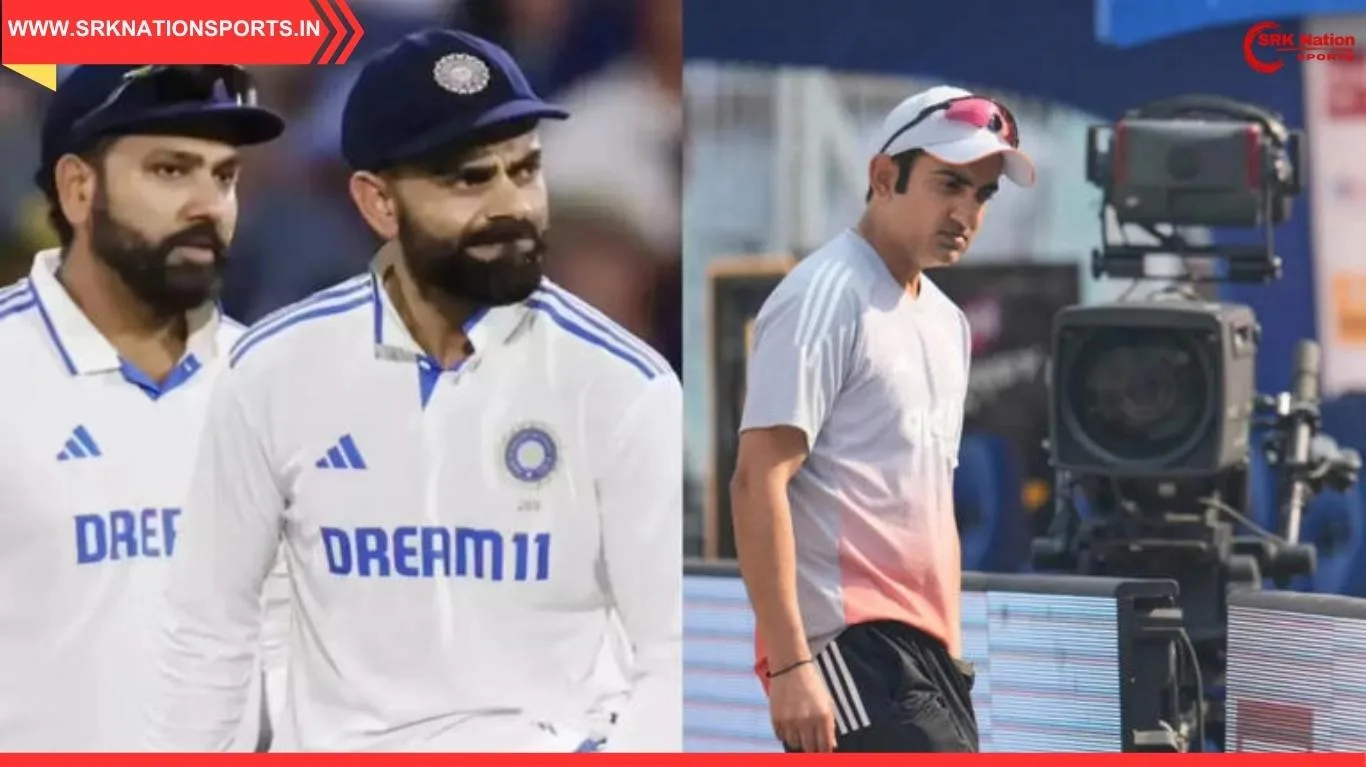
Indian cricket has been shaken by the twin retirements of Virat Kohli and Rohit Sharma, two of the most iconic players of the modern era. While fans and analysts continue to process the end of an era, a new controversy has emerged: reports and discussions suggesting that the “team atmosphere” under Gautam Gambhir’s influence may have played a role in their decisions to step away from international cricket.
The debate has sparked intense conversations across cricketing circles, with many questioning whether internal dynamics, leadership styles, and dressing room culture contributed to the timing of these retirements. Gambhir, known for his no-nonsense approach and strong opinions, has often emphasized discipline and accountability. However, critics argue that his style may have created friction with senior players accustomed to different leadership environments.
📊 Key Highlights
- Twin Retirements: Virat Kohli and Rohit Sharma announce retirement from international cricket.
- Controversial Blame: Gautam Gambhir’s “team atmosphere” cited as a factor.
- Leadership Dynamics: Debate over Gambhir’s influence on dressing room culture.
- Public Reaction: Fans divided between admiration for Gambhir’s strictness and sympathy for Kohli and Sharma.
- Future Outlook: Raises questions about India’s leadership transition and team morale.
🔎 Background of the Controversy
The retirements of Kohli and Sharma mark the end of a golden chapter in Indian cricket.
- Virat Kohli: Former captain, known for his aggressive batting and fitness revolution.
- Rohit Sharma: Current captain until retirement, celebrated for his calm leadership and record-breaking performances.
- Gautam Gambhir’s Role: Recently involved in shaping team culture, Gambhir’s emphasis on discipline and accountability has been praised by some but criticized by others.
- Atmosphere Debate: Reports suggest that the dressing room environment under Gambhir’s influence may have been less accommodating to senior players.
📉 Comparative Snapshot of Leadership Transitions in Indian Cricket
| Year | Leader Transition | Senior Player Impact | Outcome |
|---|---|---|---|
| 2000 | Ganguly takes charge | Sachin Tendulkar adjusts to new role | Team rejuvenated |
| 2008 | Dhoni becomes captain | Dravid, Ganguly retire | Smooth transition, new era begins |
| 2017 | Kohli takes over | Dhoni steps back | Aggressive leadership style dominates |
| 2025 | Gambhir’s influence | Kohli, Rohit retire | Controversy over team atmosphere |
🔄Gambhir’s Atmosphere vs Senior Players’ Comfort
| Factor | Gambhir’s Atmosphere | Senior Players’ Comfort |
|---|---|---|
| Discipline | Strict accountability, no compromises | Preferred flexibility with experience |
| Leadership Style | Direct, outspoken, demanding | Balanced, collaborative approach |
| Team Culture | Focus on youth and performance metrics | Value of legacy and seniority |
| Retirement Decision | Critics blame atmosphere for exits | Players cite personal timing and future focus |
🚀 Impact of the Retirements
The retirements of Kohli and Sharma, coupled with the controversy around Gambhir, have far-reaching implications:
- Team Transition: India must rebuild leadership and batting strength.
- Fan Sentiment: Emotional farewell for two legends, mixed reactions to Gambhir’s role.
- Opposition Strategy: Rivals may see India as vulnerable during transition.
- Cricketing Legacy: Kohli and Sharma leave behind unmatched records and influence.
💬 Expert Commentary
Cricket experts have weighed in on the controversy:
- “Gambhir’s atmosphere may have accelerated retirements, but Kohli and Sharma had their own timelines,” said a former cricketer.
- “Leadership transitions are always tough. Gambhir’s strictness is both a strength and a challenge,” noted a commentator.
- “The debate reflects deeper issues about balancing youth and experience in Indian cricket,” added an analyst.
🌍 Broader Context
The controversy must be seen in the larger context of global cricket:
- Leadership Challenges: Similar debates have occurred in Australia and England during transitions.
- Generational Shift: Cricket teams worldwide face challenges when legends retire.
- Cultural Differences: Leadership styles often clash with senior players’ expectations.
- India’s Position: As one of the strongest teams, India’s transition will be closely watched globally.
📊 Public Sentiment Analysis
| Group | Reaction |
|---|---|
| Fans | Emotional over retirements, divided on Gambhir’s role |
| Analysts | Debate over leadership style and team culture |
| Young Players | Motivated by Gambhir’s strictness, inspired by Kohli and Sharma’s legacy |
| Opposition Teams | See opportunity in India’s transition phase |
📊 Key Issues in the Controversy
| Issue | Description |
|---|---|
| Team Atmosphere | Gambhir’s strict style blamed for retirements |
| Senior Player Comfort | Kohli and Sharma may have felt less valued |
| Leadership Transition | India faces challenge of rebuilding after legends exit |
| Fan Reactions | Emotional farewells mixed with criticism of management |
| Future Strategy | Need to balance youth development with respect for legacy |
📝 Conclusion
The retirements of Virat Kohli and Rohit Sharma, coupled with blame directed at Gautam Gambhir’s “team atmosphere,” have created one of the most dramatic moments in Indian cricket history. While Gambhir’s influence is praised for instilling discipline and focus, critics argue that it may have alienated senior players, accelerating their decisions to step away.
For Indian cricket, the challenge lies in managing leadership transitions while maintaining team morale. For fans, the emotional farewell to Kohli and Sharma marks the end of an era. For Gambhir, the controversy underscores the complexities of balancing strict discipline with respect for legacy.
As India enters a new phase, the debate over team atmosphere will continue to shape discussions about leadership, culture, and the future of cricket in the country.
⚠️ Disclaimer
This article is for informational purposes only and is based on publicly available cricket updates. It does not constitute endorsement or criticism of any individual. Readers are encouraged to follow official cricket board communications for the latest updates.