


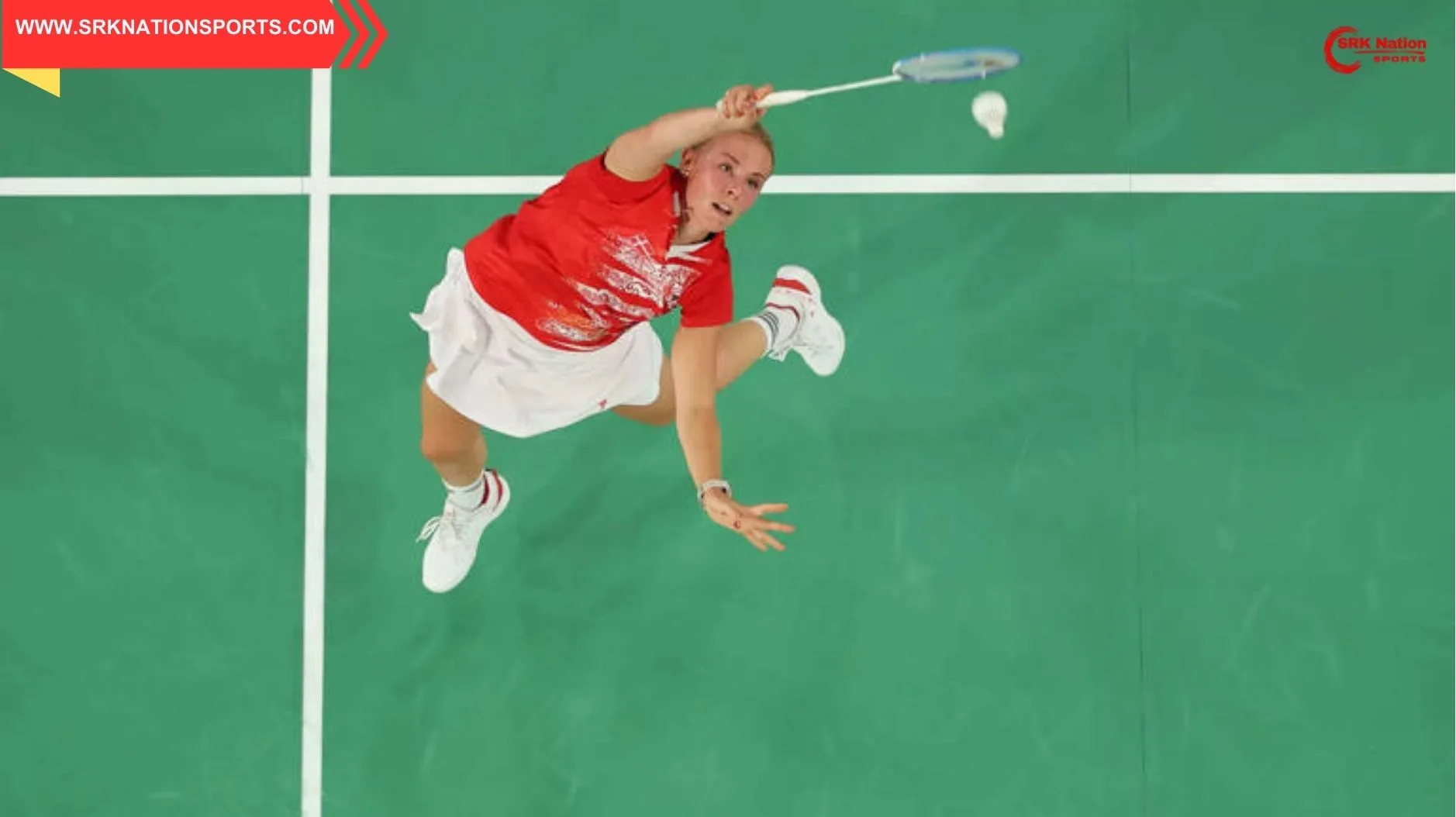
India’s aspirations to host the Olympics 2036 have come under fresh scrutiny after Denmark’s badminton star Mia Blichfeldt publicly criticized the playing and organizational conditions at the India Open 2026. Her remarks have sparked debate across sporting circles, raising questions about India’s readiness to host mega international events and the standards of facilities provided to athletes.
Background of the Controversy
- The India Open is one of the premier badminton tournaments in Asia, attracting top players from around the world.
- Mia Blichfeldt, a prominent Danish shuttler, expressed dissatisfaction with the conditions, citing issues such as poor lighting, inadequate air circulation, and logistical shortcomings.
- Her comments come at a sensitive time, as India is aggressively campaigning to host the Olympics 2036, positioning itself as a global sporting hub.
- The controversy has reignited discussions about infrastructure, athlete welfare, and organizational efficiency in Indian sports administration.
Key Highlights
| Indicator | Details |
|---|---|
| Player Involved | Mia Blichfeldt (Denmark) |
| Tournament | India Open 2026 |
| Issue | Criticism of playing conditions |
| Broader Context | India’s bid for Olympics 2036 |
| Impact | Sparks debate on readiness and infrastructure standards |
India’s Olympics Ambitions vs India Open Controversy
| Factor | India’s Ambition | Mia Blichfeldt’s Criticism | Broader Implication |
|---|---|---|---|
| Infrastructure | Showcase world-class facilities | Complaints of poor conditions | Questions readiness |
| Athlete Welfare | Priority in global bid | Concerns over logistics and comfort | Trust deficit |
| Global Image | Position as future Olympic host | Negative publicity | Reputation at stake |
| Organizational Standards | Highlight efficiency | Criticized for lapses | Need for reforms |
| Fan Engagement | Promote India as sports hub | Controversy dampens enthusiasm | Mixed reactions |
Why This Story Matters
- Olympics 2036 Bid: India’s credibility as a future host is directly linked to the quality of current events.
- Athlete Welfare: Criticism from international players highlights gaps in facilities and organization.
- Global Reputation: Negative publicity can affect India’s standing in global sports governance.
- Policy Context: Raises questions about investment in sports infrastructure and management.
- Public Sentiment: Fans and stakeholders are keenly watching how India responds to such controversies.
Mia Blichfeldt’s Remarks
- Blichfeldt described the conditions as “below international standards”, pointing to issues that affected player performance.
- She emphasized that athletes deserve better facilities, especially in tournaments of global importance.
- Her comments were widely shared on social media, sparking debates among fans, analysts, and administrators.
- While some defended India’s efforts, others acknowledged the need for urgent improvements.
India’s Olympics 2036 Ambitions
- India has been actively lobbying to host the Olympics 2036, with strong backing from government and sports federations.
- The bid emphasizes India’s growing economy, expanding infrastructure, and passion for sports.
- Hosting successful international tournaments is seen as a stepping stone toward the Olympic dream.
- Controversies like the India Open raise concerns about whether India can meet the stringent standards required by the International Olympic Committee (IOC).
Expert Opinions
- Sports Analysts: Stress that India must address infrastructure gaps to strengthen its Olympic bid.
- Former Players: Highlight the importance of athlete welfare and fair playing conditions.
- Policy Experts: Suggest that controversies can be mitigated through better planning and investment.
- Fans: Express mixed reactions, with some defending India’s progress and others demanding accountability.
Challenges Ahead
- Infrastructure Standards: Ensuring world-class facilities across venues.
- Organizational Efficiency: Streamlining logistics and management for international events.
- Global Perception: Addressing negative publicity to maintain credibility.
- Athlete Welfare: Prioritizing comfort, safety, and performance needs.
- Policy Implementation: Translating ambitious plans into effective execution.
Opportunities for India
- Upgrade Facilities: Invest in modern stadiums and training centers.
- Strengthen Governance: Improve transparency and efficiency in sports administration.
- Engage Athletes: Involve players in feedback to enhance conditions.
- Promote Inclusivity: Showcase India’s diversity and passion for sports.
- Leverage Technology: Use innovation to improve infrastructure and fan engagement.
Broader Context of Global Sports Hosting
- Countries bidding for the Olympics must demonstrate consistent excellence in hosting international events.
- Athlete feedback plays a crucial role in shaping perceptions of readiness.
- India’s growing economy and fan base make it a strong contender, but controversies highlight areas needing improvement.
- The IOC evaluates bids based on infrastructure, governance, and global reputation.
Sectoral Breakdown of Impact
| Sector | Impact | Strategic Importance |
|---|---|---|
| Sports Infrastructure | Criticism highlights gaps | Must be upgraded for global events |
| Athlete Welfare | Concerns raised | Central to Olympic bid credibility |
| Governance | Organizational lapses noted | Requires reforms and efficiency |
| Global Reputation | Negative publicity | Affects Olympic bid |
| Fan Engagement | Mixed reactions | Influences public support |
Media Coverage
- Headlines emphasized Mia Blichfeldt’s criticism of India Open conditions.
- Analysts debated the implications for India’s Olympic ambitions.
- Coverage highlighted the need for urgent reforms in sports infrastructure.
- The controversy continues to dominate discussions in sports and policy circles.
Conclusion
The criticism by Denmark’s Mia Blichfeldt of India Open conditions has sparked a fresh controversy amid India’s Olympics 2036 ambitions. While India remains a strong contender to host the Games, the incident underscores the importance of addressing infrastructure gaps, prioritizing athlete welfare, and improving organizational efficiency. The coming years will be crucial in determining whether India can transform its ambitious vision into a credible reality on the global sporting stage.
Disclaimer
This article is intended for informational purposes only and does not constitute official policy or advice. Athlete remarks, tournament conditions, and policy decisions are subject to change based on evolving circumstances. Readers are encouraged to follow official updates for accurate information. The author and publisher are not responsible for any decisions made based on this article.