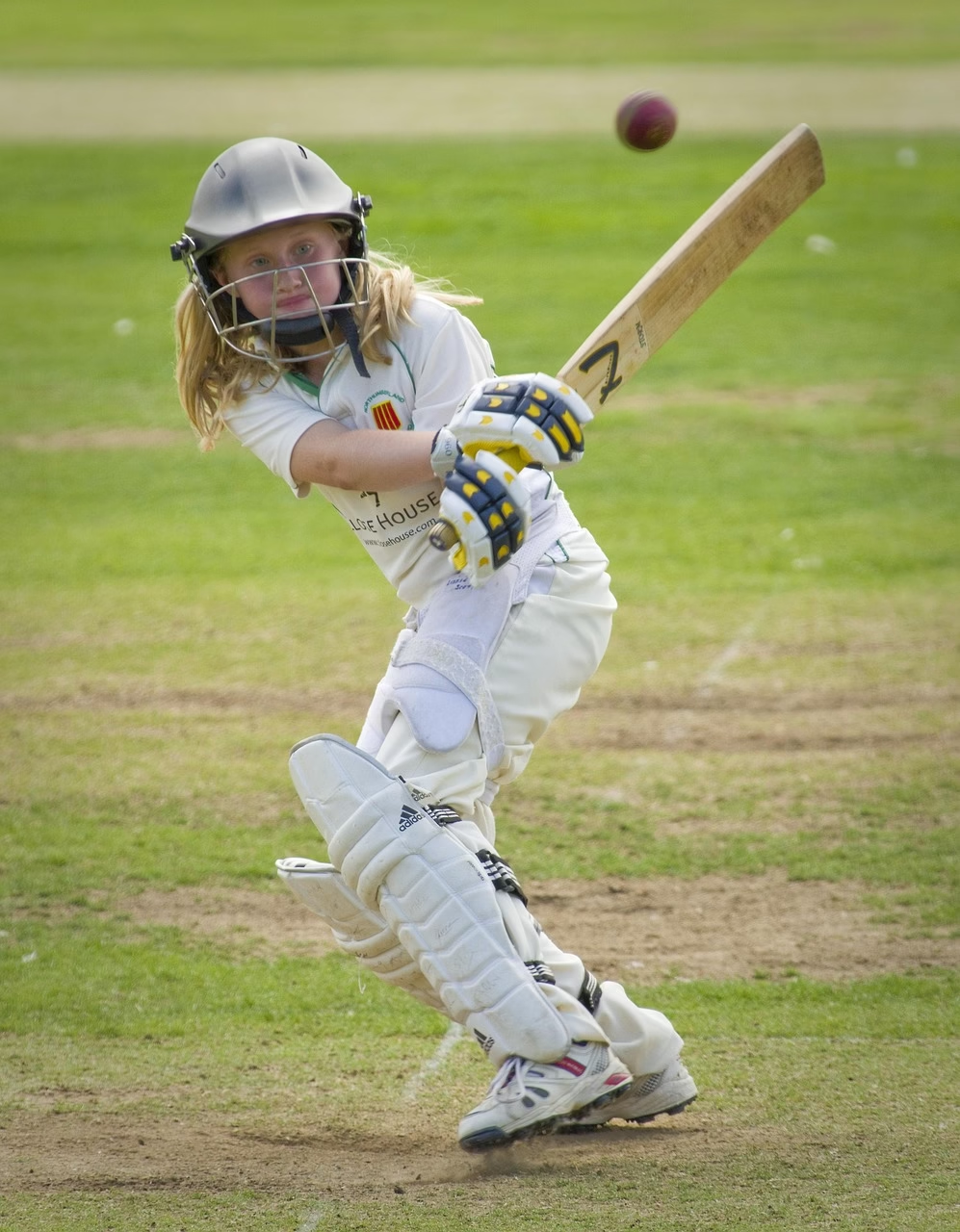






England’s women’s cricket team enters the 2024 T20 World Cup campaign on June 12 facing intense scrutiny, as captain Heather Knight’s inconsistent batting form sparks concern among analysts and supporters alike. With the tournament set to take place in the Caribbean, the squad faces mounting pressure to solidify a top-order batting line-up that has struggled to find rhythm in recent international fixtures.
The Weight of Leadership and Performance
Heather Knight, a veteran of the game and a cornerstone of England’s batting unit for over a decade, has seen her strike rate and average dip significantly in the lead-up to this year’s competition. While her tactical acumen as captain remains highly regarded, the lack of runs from the skipper at the number three or four position creates a vacuum that the middle order has been unable to consistently fill.
Cricket statisticians point to a noticeable decline in Knight’s ability to rotate the strike against high-quality spin bowling during the middle overs. This technical hurdle has often left England’s innings lacking the necessary momentum to reach competitive totals against top-tier opponents like Australia and India.
Strategic Context and Squad Depth
The T20 format demands aggressive intent from the outset, a philosophy that coach Jon Lewis has attempted to instill across the squad. However, the reliance on a struggling leader to stabilize the innings often conflicts with this high-tempo approach, creating a strategic dichotomy that the coaching staff must resolve before the opening match.
England’s selection panel faces a difficult balancing act. Dropping a captain of Knight’s stature is unprecedented, but the depth of talent currently waiting in the wings—including explosive younger players who have thrived in the Women’s Premier League—provides a viable, if radical, alternative should her form fail to improve during the warm-up matches.
Expert Analysis on Batting Stability
Former international players have noted that the pressure of captaincy often impacts a batter’s mental clarity at the crease. According to recent performance data, Knight’s conversion rate from starts to significant scores has dropped by nearly 15% over the last eighteen months, suggesting a lack of confidence rather than a deficiency in technical skill.
“The team relies on Heather to be the anchor, but in modern T20 cricket, the anchor role is evolving,” says one cricket analyst. “England needs their captain to be more than just a stabilizer; they need her to be a proactive force who can navigate the tactical shifts mid-game.”
Implications for the World Cup Campaign
For England, the immediate implication is an increased reliance on their bowling attack to defend modest scores. If the batting line-up continues to falter, the burden on the seamers and spinners will become unsustainable, potentially leading to early exits in the tournament stages.
Looking ahead, the focus will shift to the team’s training camps in the Caribbean, where the coaching staff will monitor Knight’s net sessions closely. Observers should watch for potential changes in the batting order; moving Knight down the line-up to allow for more aggressive hitters to exploit the powerplay could be a decisive tactical shift. Whether the team persists with their current structure or opts for a more fluid, merit-based approach will determine England’s viability as a title contender throughout the month of June.