


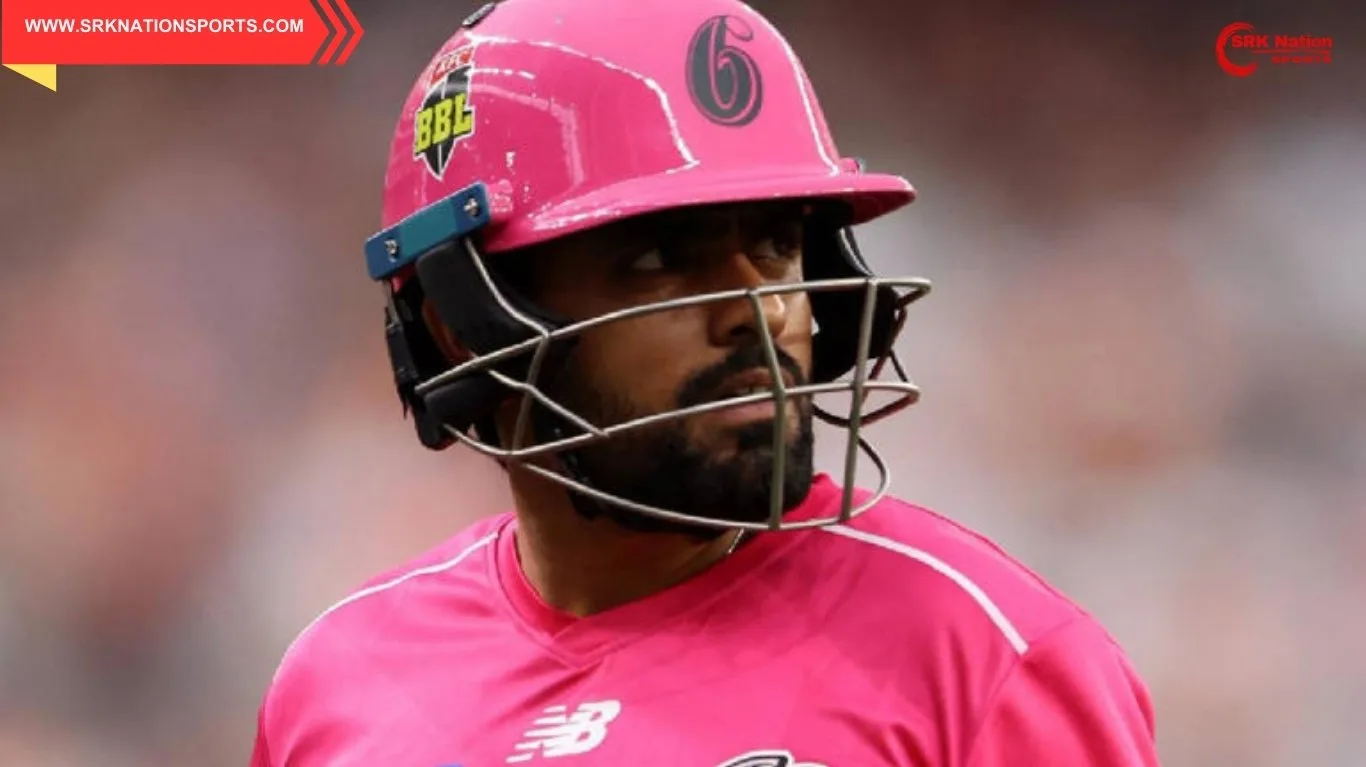
The cricketing fraternity in Pakistan has been shaken by revelations that Babar Azam, the national team’s captain, along with several other prominent players, have allegedly fallen victim to a Ponzi scheme that promised high returns but collapsed under scrutiny. The scandal has not only financial implications but also raises serious questions about financial literacy, trust, and the vulnerability of high-profile athletes to fraudulent investment schemes.
Background of the Ponzi Scheme
- Ponzi schemes operate by using funds from new investors to pay returns to earlier investors, creating an illusion of profitability.
- In this case, several Pakistani cricketers reportedly invested large sums, lured by promises of quick and substantial returns.
- The scheme collapsed when payouts stopped, exposing the fraudulent nature of the operation.
- The losses are estimated to run into millions of rupees, with Babar Azam and other top players among those affected.
Key Highlights
| Indicator | Details |
|---|---|
| Victims | Babar Azam and several Pakistan cricketers |
| Scheme Type | Ponzi scheme |
| Estimated Losses | Millions of rupees |
| Broader Impact | Financial, reputational, and psychological |
| Public Sentiment | Shock, anger, demand for accountability |
Promises vs Reality of the Scheme
| Factor | Promises Made | Reality Exposed | Implication |
|---|---|---|---|
| Returns | High, guaranteed profits | No sustainable revenue | Investor losses |
| Transparency | Claimed legitimacy | Missing documentation | Fraudulent practices |
| Investor Trust | Built on celebrity endorsements | Betrayed by collapse | Reputation damage |
| Financial Literacy | Assumed awareness | Lack of due diligence | Need for education |
| Regulatory Oversight | Claimed compliance | Weak monitoring | Calls for reform |
Why This Story Matters
- Financial Literacy: Highlights the need for athletes and celebrities to understand investment risks.
- Public Trust: Raises concerns about how easily fraudsters exploit reputations and networks.
- Regulatory Oversight: Exposes gaps in monitoring financial schemes in Pakistan.
- Sports Integrity: Impacts the image of cricket and its players.
- Future Outlook: Could lead to stronger safeguards and awareness campaigns.
How Cricketers Became Victims
- Fraudsters reportedly targeted cricketers by leveraging their trust networks and offering exclusive investment opportunities.
- The promise of quick profits appealed to players who often seek to secure financial stability beyond their sporting careers.
- Lack of due diligence and reliance on verbal assurances contributed to the vulnerability.
- The collapse of the scheme left players facing significant financial losses and reputational risks.
Impact on Babar Azam and Other Players
- Financial Losses: Millions lost in investments that will likely never be recovered.
- Reputation Damage: Questions raised about judgment and decision-making.
- Psychological Stress: Coping with betrayal and financial insecurity.
- Public Scrutiny: Fans and media demanding accountability and transparency.
Expert Opinions
- Financial Analysts: Stress that Ponzi schemes thrive on lack of awareness and greed.
- Legal Experts: Highlight the need for stronger laws and enforcement against financial fraud.
- Sports Commentators: Note that athletes are particularly vulnerable due to their high earnings and limited financial training.
- Critics: Warn that such incidents undermine public trust in both sports and financial systems.
Challenges Ahead
- For Cricketers: Rebuilding financial stability and reputations.
- For Regulators: Investigating the scheme and preventing future frauds.
- For Fans: Reconciling admiration for players with disappointment over their vulnerability.
- For Financial Systems: Strengthening oversight and transparency.
- For Media: Balancing coverage between scandal and education.
Opportunities for Reform
- Financial Education Programs: Targeted initiatives for athletes and celebrities.
- Regulatory Strengthening: Empowering authorities to monitor and shut down fraudulent schemes.
- Public Awareness Campaigns: Educating citizens about the risks of Ponzi schemes.
- Legal Accountability: Ensuring perpetrators face strict consequences.
- Global Collaboration: Learning from international best practices in fraud prevention.
Broader Context of Ponzi Schemes in Pakistan
- Ponzi schemes have historically thrived in environments with weak oversight.
- High-profile victims amplify the impact and visibility of such frauds.
- The scandal underscores the need for systemic reforms in financial governance.
- Public trust in financial institutions is at stake, requiring urgent action.
Sectoral Breakdown of Impact
| Sector | Impact | Strategic Importance |
|---|---|---|
| Sports | Reputation damage | Integrity of cricket |
| Finance | Exposure of fraud | Need for reforms |
| Regulation | Investigation triggered | Strengthening oversight |
| Public Trust | Shock and anger | Confidence in systems |
| Media | Intense coverage | Awareness building |
Media Coverage
- Headlines emphasize Babar Azam’s involvement and the scale of losses.
- Analysts debate whether cricketers were careless or victims of sophisticated fraud.
- Coverage highlights the broader implications for financial literacy and regulation.
- The story continues to dominate discussions in sports and financial circles.
Conclusion
The Ponzi scheme scandal involving Babar Azam and several top Pakistan cricketers is a stark reminder of the vulnerabilities athletes face in financial matters. While the losses are significant, the incident underscores the urgent need for financial literacy, stronger regulatory oversight, and public awareness. For Pakistan’s cricketing heroes, the challenge lies not only in recovering financially but also in rebuilding trust and reputations. The scandal may serve as a turning point, prompting reforms that protect both celebrities and ordinary citizens from falling victim to fraudulent schemes.
Disclaimer
This article is intended for informational purposes only and does not constitute financial or legal advice. Statements, transactions, and regulatory outcomes are subject to change based on evolving circumstances. Readers are encouraged to follow official updates for accurate information. The author and publisher are not responsible for any decisions made based on this article.