

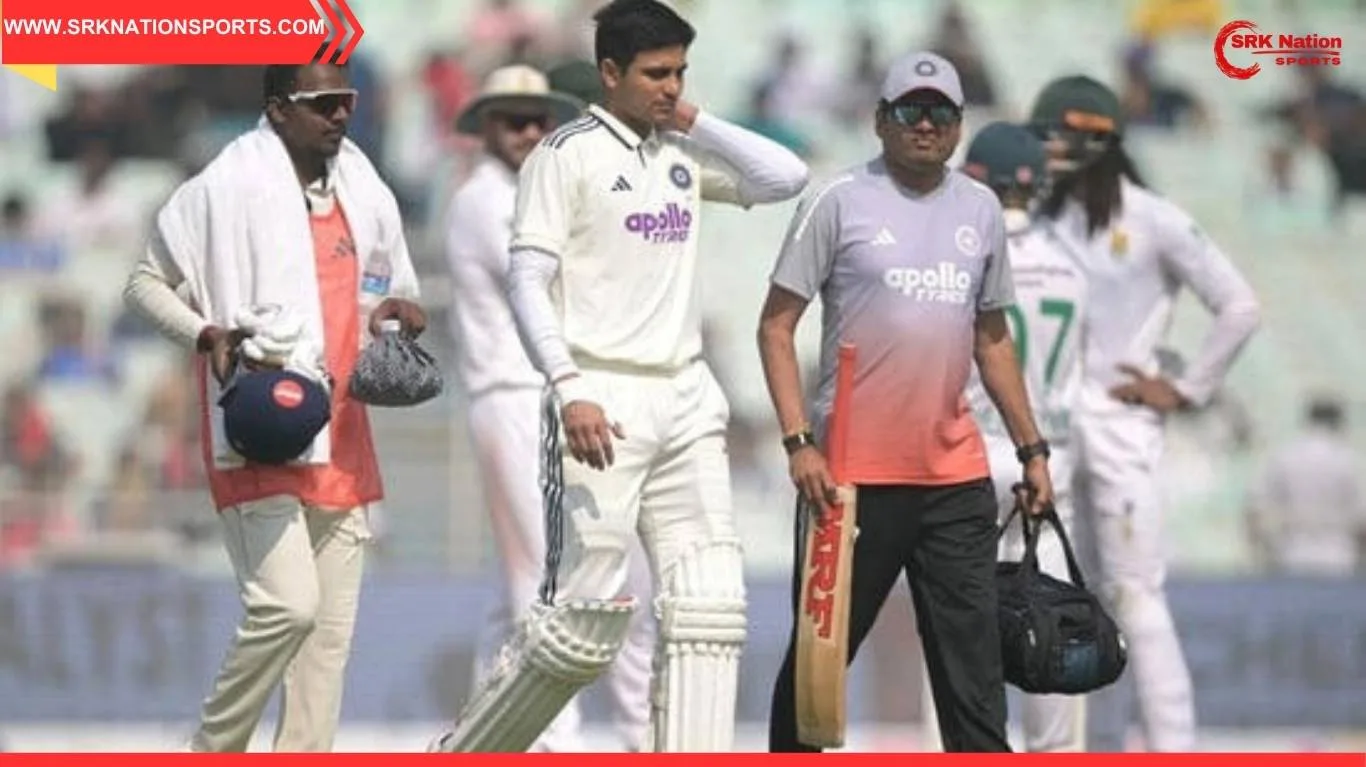
The Board of Control for Cricket in India (BCCI) has officially addressed the concerns surrounding India captain Shubman Gill’s injury, after the young opener left the field midway through his batting innings due to a sudden neck spasm. The incident, which unfolded during a crucial match, sparked widespread speculation among fans and experts about the severity of the injury and its potential impact on India’s ongoing campaign.
Gill, who has been in stellar form and recently assumed the captaincy role, was seen visibly uncomfortable before halting his innings and walking off the field. The BCCI’s statement has now provided clarity, confirming that Gill suffered a neck spasm and is under medical observation.
📊 Key Highlights
- Incident: Shubman Gill walked off the field midway through his batting due to neck discomfort.
- BCCI Statement: Confirmed neck spasm, assured fans of medical supervision.
- Impact: Raised concerns about India’s leadership and batting depth.
- Fan Reaction: Social media flooded with messages of support and speculation.
- Next Steps: Gill’s fitness to be monitored ahead of upcoming fixtures.
🔎 Understanding Neck Spasms in Athletes
Neck spasms are sudden, involuntary contractions of the muscles in the neck, often caused by:
- Overexertion or strain during play.
- Poor posture or sudden movements.
- Stress and fatigue from continuous matches.
- Minor injuries aggravated by physical activity.
For cricketers, especially batters, neck spasms can significantly affect concentration, shot execution, and overall performance.
📉 Timeline of the Incident
| Event | Details |
|---|---|
| Match Situation | India batting, Gill at crease |
| Gill’s Discomfort | Seen stretching and holding neck |
| Walk-Off | Left field midway through innings |
| BCCI Statement | Confirmed neck spasm, under observation |
| Fan Reaction | Concern, support, speculation |
🔄 Impact on Team India
| Factor | Short-Term Impact | Long-Term Impact |
|---|---|---|
| Leadership | Temporary uncertainty if Gill misses matches | Possible reshuffle in captaincy |
| Batting Line-Up | Disruption in top-order stability | Opportunity for other batters to step up |
| Fan Sentiment | Anxiety over captain’s health | Increased support and anticipation |
| Opposition Strategy | Exploit India’s weakened top order | Adjust plans if Gill returns fit |
🚀 Importance of Gill’s Role
Shubman Gill’s rise as India’s captain has been marked by:
- Consistent batting performances across formats.
- Calm leadership style, inspiring younger players.
- Strategic decision-making in high-pressure matches.
His absence, even temporarily, could alter India’s momentum, making his recovery crucial for the team’s prospects.
💬 BCCI’s Official Statement
The BCCI clarified that Gill’s injury is being closely monitored by the medical team. While the board refrained from giving a definitive timeline for his return, it reassured fans that the situation is under control and that Gill’s health remains the top priority.
🌍 Fan and Expert Reactions
- Fans: Social media platforms were flooded with hashtags like #GetWellSoonGill and #CaptainGill, reflecting widespread concern.
- Experts: Analysts emphasized the importance of managing player workload, especially for young leaders balancing captaincy and batting responsibilities.
- Former Players: Several ex-cricketers advised caution, urging Gill to prioritize recovery over rushing back to the field.
📊 Possible Scenarios Ahead
- Quick Recovery: Gill returns for the next match, boosting morale.
- Short Absence: Vice-captain or senior player steps in temporarily.
- Extended Rest: India may need to re-strategize batting order and leadership roles.
📝 Conclusion
The BCCI’s confirmation of Shubman Gill’s neck spasm has provided much-needed clarity amid swirling speculation. While the injury appears manageable, its timing has raised concerns given Gill’s pivotal role as captain and opener. India’s immediate focus will be on ensuring Gill’s full recovery, balancing team performance with player well-being.
The incident also highlights the broader issue of player workload management in modern cricket, where back-to-back fixtures and leadership responsibilities can take a toll on even the fittest athletes.
⚠️ Disclaimer
This article is for informational purposes only and is based on publicly available updates from cricket authorities. It does not constitute medical advice. Readers are encouraged to follow official team communications for the latest updates.