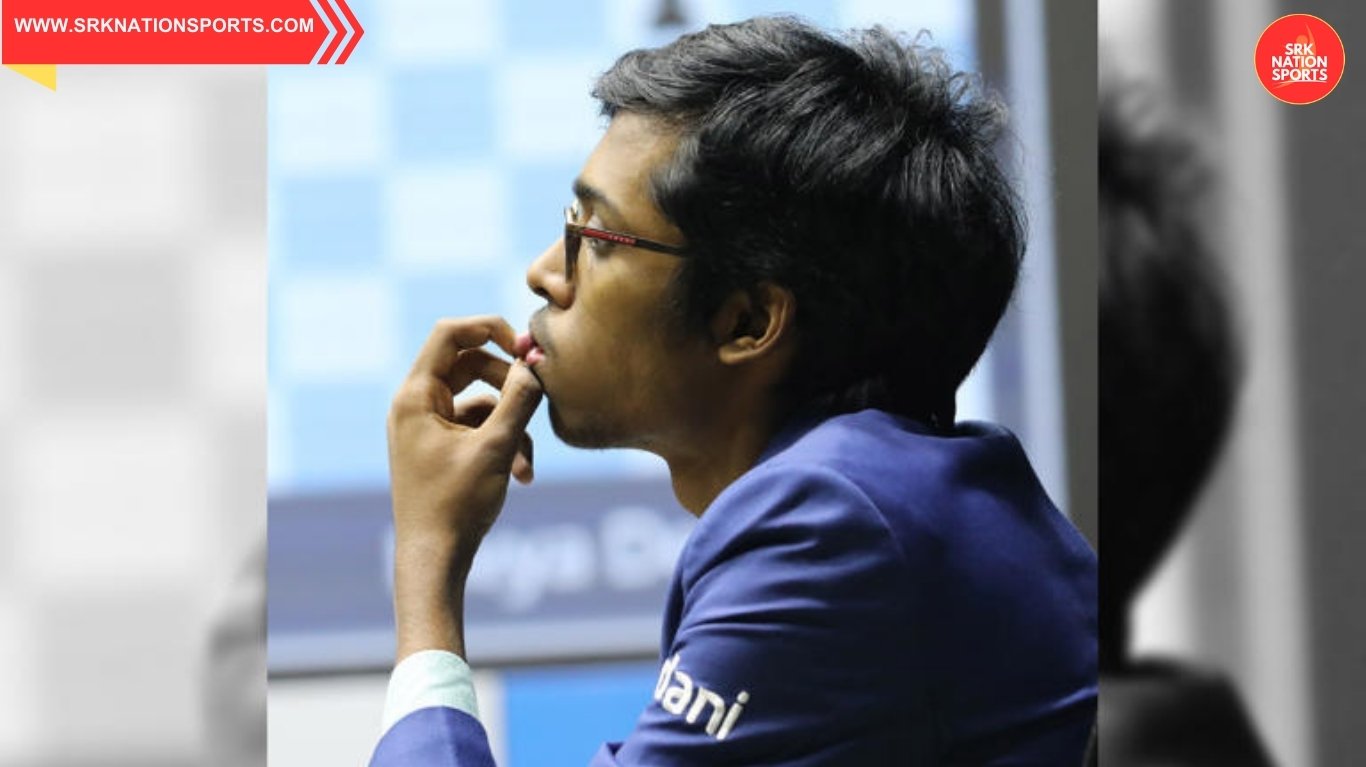






The world of chess has long been dominated by men, both in perception and statistics. A controversial statement made in 1989 by Garry Kasparov, widely considered one of the greatest chess players of all time, still sparks debates: “Chess doesn’t fit women properly.” More than three decades later, rising Indian star Divya Deshmukh is determined to prove otherwise.
At just 19, Divya has already made significant strides on the global stage, defying stereotypes, breaking barriers, and sending a strong message that women not only belong in chess but can also dominate it.
The Legacy of Kasparov’s Remark
Kasparov’s comment in 1989 reflected a deeply entrenched belief in the chess world—that women lacked the psychological endurance or tactical aggression to succeed at the highest levels. Though Kasparov later revised his views and even praised women’s contributions to the sport, the shadow of his remark lingered.
For decades, women chess players like Judit Polgar, Hou Yifan, Koneru Humpy, and Harika Dronavalli have consistently disproved this notion, showcasing brilliance, endurance, and strategic genius. Yet, the stereotype persists in some corners.
It is against this backdrop that Divya Deshmukh, one of India’s brightest young talents, is carving her path.
Divya Deshmukh’s Rise in Indian and Global Chess
Born in Nagpur, Maharashtra, Divya’s chess journey began early. By the age of 10, she was already winning accolades in national and Asian championships. Over the years, she has added prestigious titles to her name, including:
| Year | Tournament | Achievement |
|---|---|---|
| 2017 | Asian Youth Chess Championship | Gold Medal |
| 2019 | World Youth Chess Championship | Winner |
| 2022 | FIDE Online Chess Olympiad | Represented India, medal-winning team |
| 2023 | Tata Steel India Rapid & Blitz | Strong performance against elite players |
| 2024 | National Women’s Chess Championship | Champion |
Her victories against seasoned grandmasters have not only elevated her profile but also turned her into a role model for young girls in India and beyond.
How Divya Is Breaking Gender Stereotypes
Divya’s journey is more than just about winning trophies. It is about challenging outdated notions like the one Kasparov voiced decades ago. Her approach can be broken down into three pillars:
- Skill and Training – Divya spends hours daily mastering openings, middlegame tactics, and endgame studies. She has openly credited her coaches and technology-driven chess tools for sharpening her play.
- Mental Resilience – Chess is as much a battle of psychology as of skill. Divya has repeatedly shown composure against higher-rated opponents, often turning games around from difficult positions.
- Representation – By standing tall on global platforms, Divya signals to aspiring female players that gender is not a limitation in chess.
The Larger Picture: Women in Chess
Globally, women’s representation in chess is still far from equal. While players like Hou Yifan became women’s world champion and competed strongly in open tournaments, the number of women grandmasters compared to men remains small.
A quick look at numbers:
| Category | Men | Women |
|---|---|---|
| Total Registered FIDE Players | ~360,000 | ~35,000 |
| Grandmasters (GM Titles) | 1,750+ | ~40 |
| India’s Registered Chess Players | ~95,000 | ~11,000 |
The disparity is clear, but players like Divya are steadily working to close this gap.
Divya Deshmukh’s Vision for the Future
Divya has often spoken about her belief that chess ability is not defined by gender but by dedication. She advocates for more grassroots programs in India to bring young girls into the sport.
Some of her key goals include:
- Encouraging school-level tournaments that make chess more accessible to girls.
- Mentorship programs where experienced female players guide upcoming talents.
- Global representation of Indian women in elite chess tournaments.
Her ultimate dream? To compete consistently at the highest levels of open events and prove that Indian women can be counted among the world’s best.
Why Divya’s Story Resonates
India is experiencing a chess revolution, thanks to the rise of prodigies like R Praggnanandhaa, Gukesh Dommaraju, and Arjun Erigaisi. In this landscape, Divya Deshmukh is ensuring that the women’s narrative isn’t sidelined.
Her determination to defy Kasparov’s dated remark resonates with a broader fight for gender equality in sports. Just as in cricket, wrestling, and boxing, Indian women are stepping up to rewrite history in chess too.
Challenges Ahead
Despite her achievements, Divya faces hurdles:
- Limited sponsorships for women chess players compared to men.
- Balancing academics and chess at a young age.
- Fewer high-level tournaments dedicated to promoting women in chess.
Yet, she remains unfazed, turning these challenges into motivation.
The Symbolism of Defying Kasparov’s Remark
When Divya competes on international stages, she isn’t just playing for points. She is representing an ideological shift in chess. By proving her mettle against world-class players, she directly challenges the outdated assumption that women are not cut out for the game.
In essence, her journey is a powerful reminder:
- Chess is a game of mind, not gender.
- Talent, discipline, and resilience define champions—not stereotypes.
Conclusion
“Chess doesn’t fit women properly” was a remark made in a different era, but players like Divya Deshmukh are proving just how wrong it was. As she continues to make her mark on the chessboard, Divya represents not just India’s future in chess but also the global movement towards equality in intellectual sports.
Her rise serves as both inspiration and proof that women can thrive in the most demanding arenas, sending a strong message to the world: checkmate to stereotypes.
Disclaimer: This article is intended for informational and editorial purposes only. It highlights the achievements and perspectives of Divya Deshmukh in the context of women’s representation in chess. It does not represent direct quotes from her unless otherwise stated.