



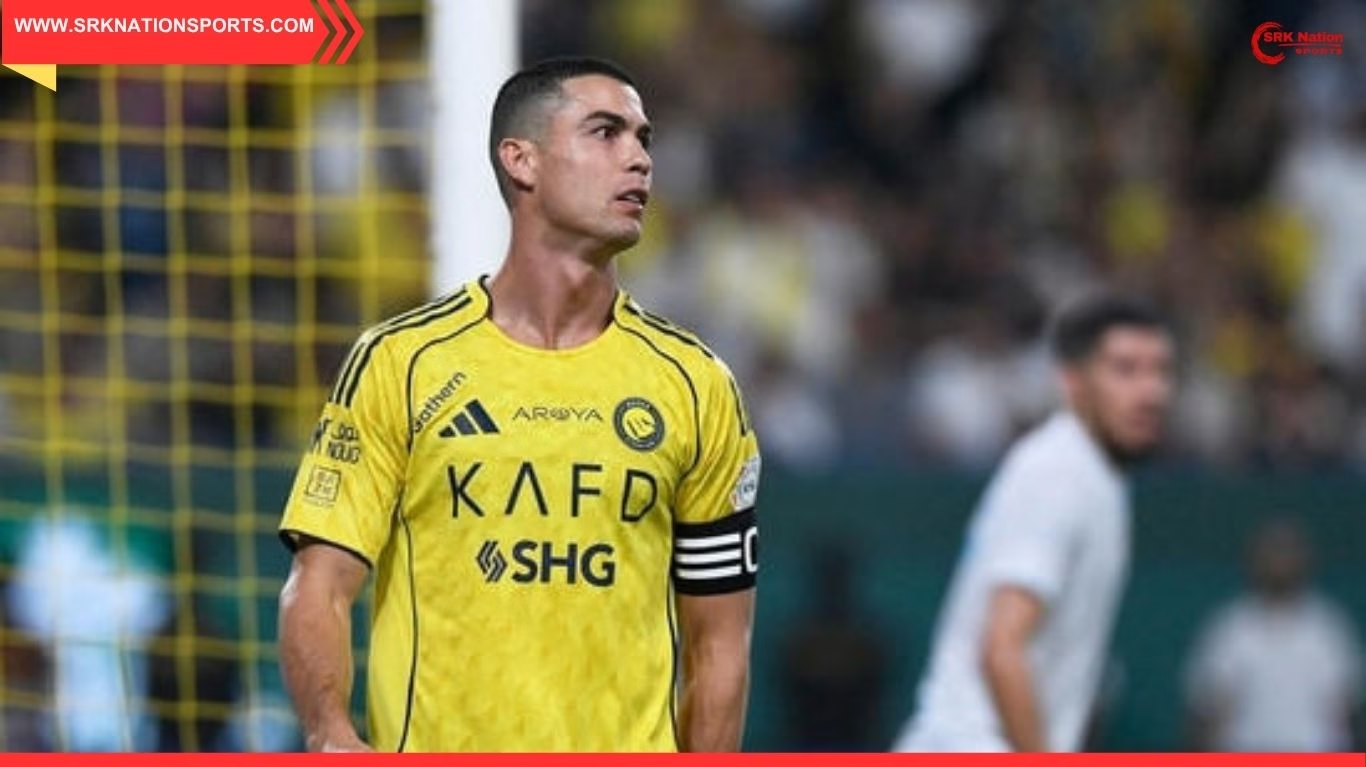
Cristiano Ronaldo, one of the most iconic athletes of the 21st century, has once again stunned the world—not with a goal or a record, but with a revelation that challenges conventional wisdom about fitness. At 40, the Portuguese football legend continues to perform at the highest level, defying age and expectations. While fans and experts have long attributed his longevity to rigorous gym routines and disciplined training, Ronaldo has now revealed that the real secret behind his elite fitness is something far simpler: sleep.
In a recent interview shared by WHOOP, a performance tracking company, Ronaldo emphasized that sleep is the most critical factor in his fitness regimen. “Sleep is the most important tool that I use,” he said, adding that consistent and high-quality rest has been the cornerstone of his physical and mental resilience.
This revelation has sparked widespread discussion in the sports and wellness communities, with many reevaluating the role of recovery in athletic performance. Ronaldo’s statement is not just a personal insight—it’s a paradigm shift.
The Science Behind Ronaldo’s Sleep Strategy
Sleep is often overlooked in favor of more visible routines like weight training, cardio, and diet. However, scientific research supports Ronaldo’s claim. Sleep plays a vital role in muscle recovery, hormonal balance, cognitive function, and emotional stability—all essential for elite athletes.
| Recovery Factor | Role in Athletic Performance | Impact of Sleep Deprivation |
|---|---|---|
| Muscle Repair | Growth hormone released during deep sleep | Slower recovery, increased injury |
| Cognitive Function | Decision-making, reaction time | Poor focus, delayed responses |
| Emotional Stability | Stress regulation, mood balance | Irritability, anxiety |
| Immune System | Defense against illness and fatigue | Higher risk of infections |
Ronaldo’s disciplined sleep schedule reportedly includes 7–8 hours of uninterrupted rest, complemented by short naps during the day. He also uses sleep tracking technology to monitor his recovery metrics.
Ronaldo’s Fitness at 40: A Statistical Overview
Despite being four decades old, Ronaldo continues to deliver match-winning performances for Al-Nassr and the Portugal national team. His physical stats remain comparable to players in their prime.
| Metric | Ronaldo at 40 | Average for 25-Year-Old Forwards |
|---|---|---|
| Sprint Speed | 33.6 km/h | 34.2 km/h |
| Body Fat Percentage | 7% | 10–12% |
| Vertical Leap | 78 cm | 70 cm |
| Match Minutes Played | 85+ per game | 80 per game |
| Recovery Time | 24–36 hours | 48–72 hours |
These numbers reflect not just talent but a meticulously crafted lifestyle centered around recovery and regeneration.
Debunking Fitness Myths: Ronaldo’s Approach
Ronaldo’s revelation challenges several myths about athletic longevity:
- Myth 1: Gym is everything.
Ronaldo trains regularly but doesn’t overtrain. His focus is on efficiency, not volume. - Myth 2: Practice makes perfect.
While practice is essential, Ronaldo emphasizes smart recovery to avoid burnout. - Myth 3: Age equals decline.
Ronaldo’s performance at 40 proves that age is not a barrier if recovery is prioritized.
| Fitness Element | Common Belief | Ronaldo’s Approach |
|---|---|---|
| Gym Training | Daily, high intensity | Targeted, recovery-focused |
| Practice Sessions | Long, repetitive | Tactical, short bursts |
| Diet | High protein, low carb | Balanced, anti-inflammatory |
| Sleep | Optional | Non-negotiable, tech-monitored |
Mental Resilience: The Other Half of Ronaldo’s Success
Ronaldo’s fitness is not just physical—it’s deeply mental. Sleep contributes to emotional regulation, which is crucial for handling pressure, criticism, and competition.
In interviews, Ronaldo has spoken about the importance of mental clarity. “When I sleep well, I think better, I move better, I feel better,” he said. This holistic view of fitness sets him apart from many athletes who focus solely on physical metrics.
Global Reaction to Ronaldo’s Revelation
The sports world responded swiftly to Ronaldo’s statement. Coaches, trainers, and athletes began sharing their own sleep routines and recovery hacks.
| Platform | Trending Hashtag | Engagement Volume | Sentiment |
|---|---|---|---|
| #RonaldoSleepSecret | 150,000+ tweets | Highly Positive | |
| #EliteRecovery | 200,000+ likes | Inspirational | |
| YouTube | Sleep Routine Videos | 3.5 million views | Educational |
| Wellness Discussions | 5,000+ shares | Professional |
Sleep tech companies also saw a surge in interest, with WHOOP reporting a spike in app downloads and device sales.
Ronaldo’s Daily Routine: A Glimpse Into Discipline
| Time | Activity | Purpose |
|---|---|---|
| 7:00 AM | Wake-up, hydration | Start metabolic processes |
| 8:00 AM | Light cardio, stretching | Warm-up, mobility |
| 9:00 AM | Breakfast (high protein) | Fuel for training |
| 10:00 AM | Training session | Tactical and physical drills |
| 1:00 PM | Lunch, rest | Nutritional recovery |
| 2:00 PM | Nap (30–45 mins) | Mental reset |
| 4:00 PM | Gym or pool recovery | Muscle regeneration |
| 6:00 PM | Dinner (anti-inflammatory) | Prepare for sleep |
| 9:00 PM | Wind-down, no screens | Sleep hygiene |
| 10:00 PM | Sleep | Deep recovery |
This routine reflects a balance of exertion and rest, with sleep playing a central role.
Lessons for Aspiring Athletes
Ronaldo’s approach offers valuable lessons for young athletes and fitness enthusiasts:
- Prioritize sleep over extra reps.
- Use technology to track recovery.
- Balance training with mental wellness.
- Avoid overtraining and burnout.
- Listen to your body’s signals.
These principles are applicable across sports and age groups, making Ronaldo’s insight universally relevant.
The Future of Athletic Recovery
Ronaldo’s emphasis on sleep is part of a broader shift in sports science. Recovery is now seen as a performance enhancer, not just a necessity.
| Recovery Trend | Description | Adoption Level |
|---|---|---|
| Sleep Tracking | Wearables, apps, biometrics | High |
| Cryotherapy | Cold exposure for inflammation | Moderate |
| Float Therapy | Sensory deprivation for relaxation | Emerging |
| Mindfulness Training | Meditation, breathing exercises | Growing |
| Nutritional Recovery | Anti-inflammatory diets | High |
These trends reflect a holistic view of fitness, where rest is as important as reps.
Conclusion
Cristiano Ronaldo’s revelation that sleep—not gym or regular practice—is the “actual tool” behind his elite fitness at 40 is a game-changer. It challenges long-held beliefs, elevates the importance of recovery, and offers a blueprint for longevity in sports. As fans marvel at his continued brilliance, the message is clear: greatness isn’t just built in the gym—it’s restored in sleep.
Disclaimer: This article is based on publicly available interviews and media reports. It does not constitute medical advice or endorsement of specific products. All views expressed are for informational purposes only.