




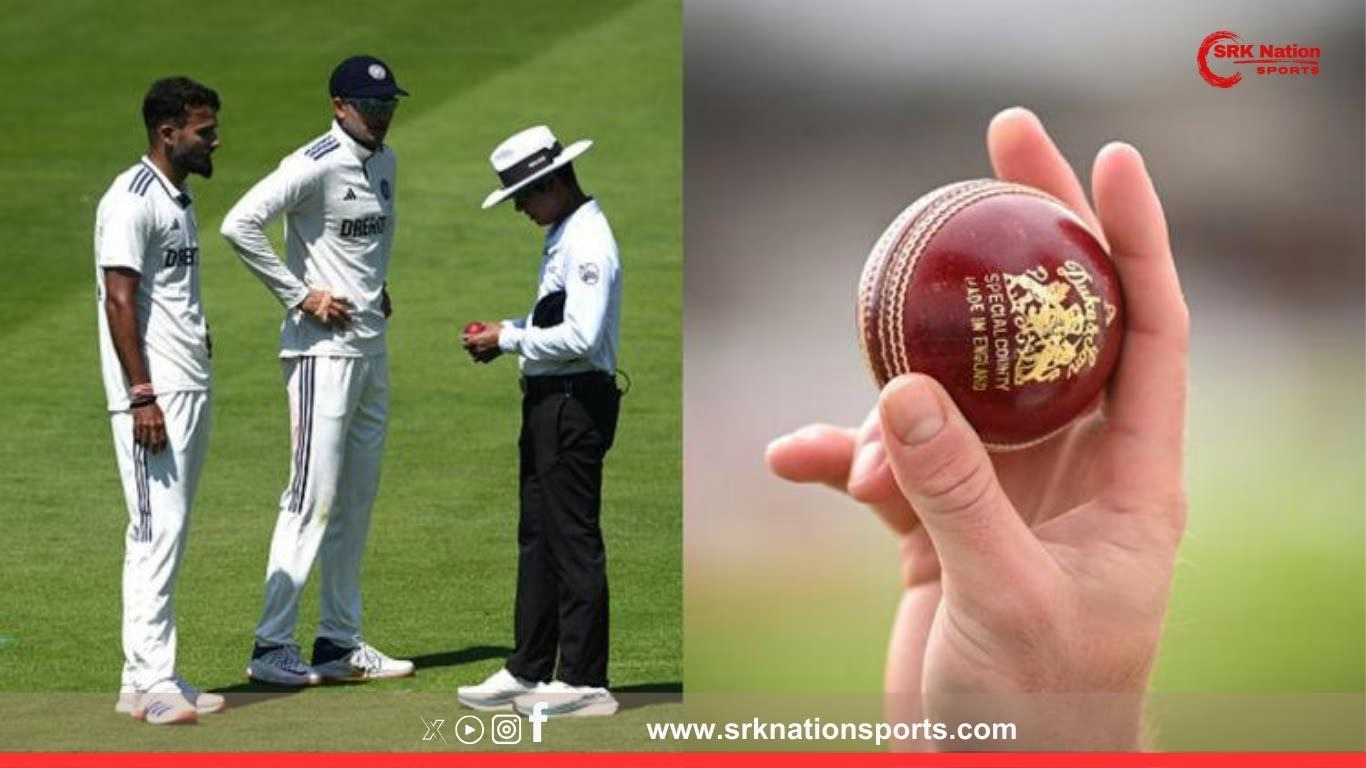
The ongoing India vs England Test series has been gripping cricket fans not just for high-quality batting and bowling but also due to the Dukes ball controversy that has sparked heated debates in the cricketing fraternity. From former players to current captains, everyone is voicing concerns about the balls used in this series, with questions raised over their quality, seam durability, and consistency. Here is a detailed breakdown to help readers understand what the Dukes ball controversy is all about, why it matters, and how it may impact the remainder of the series.
What Is the Dukes Ball?
The Dukes ball is a traditional cricket ball manufactured by British Cricket Balls Ltd, widely used in Test cricket in England and the West Indies. Unlike the Kookaburra ball used in Australia and most of Asia, the Dukes ball is known for:
- Prominent seam: Hand-stitched with a more pronounced seam aiding swing and seam movement for a longer duration.
- Polished leather: The ball maintains shine better, supporting conventional swing throughout the innings.
- Swing assistance: Dukes balls traditionally assist fast bowlers, especially in English conditions with cloud cover and grass on pitches.
Why Has It Become Controversial This Series?
During the current India vs England Test series, players from both sides have reported issues with the Dukes ball quality. Concerns include:
| Issue Reported | Details |
|---|---|
| Seam durability | The seam has been wearing off too early, sometimes within 20 overs, negating the traditional advantage of the Dukes ball. |
| Shape retention | Balls have been losing shape faster, leading to frequent ball changes disrupting the game’s rhythm. |
| Swing inconsistency | Some balls swing excessively while others remain completely flat, affecting bowlers’ plans and match balance. |
Key Players’ Comments on the Dukes Ball
1. Jasprit Bumrah (India)
India’s premier pacer refused to comment directly on the Dukes ball issue in the press conference, saying “My match fee will get deducted if I say too much”, hinting at the gravity of the problem without inviting fines.
2. James Anderson (England)
The veteran swing bowler expressed disappointment, saying the balls this season were “rubbish compared to the ones used earlier in my career” and felt let down by manufacturers.
3. Ollie Pope (England)
Pope highlighted that inconsistency in ball quality was impacting batting strategies, forcing batters to readjust quickly as some balls reverse early while others do nothing.
What Did The Manufacturers Say?
British Cricket Balls Ltd acknowledged player feedback and clarified that a change in leather processing was made due to supply chain issues last year. This alteration has affected the seam hardness and durability, though they promised improvements for upcoming batches.
Why Is It A Big Deal In This Series?
The India vs England series is being played under conditions where bowlers rely heavily on the Dukes ball’s swing and seam movement to dismiss quality batters. The sudden deterioration in ball quality:
- Reduces bowlers’ threat, particularly fast bowlers aiming for reverse swing later in the innings
- Forces fielding captains to seek ball changes frequently, disrupting over rates and match momentum
- Changes batting strategies, as batters find some balls easy to negotiate while others swing dangerously without warning
- Alters the historic balance of contest in England, which is usually swing-friendly
How Many Balls Have Been Changed So Far?
According to match data, over 12 balls have been replaced mid-innings in the first three Tests alone, a record for any England home series in recent times. This indicates a systemic problem rather than isolated batch defects.
Impact on Indian Bowlers
Indian seamers like Bumrah, Siraj, and Mukesh Kumar rely on reverse swing with older balls. If balls go out of shape prematurely or if the seam erodes quickly, it nullifies India’s pace bowling plans, especially in crucial sessions post-lunch and post-tea.
Impact on England Bowlers
For England, especially experienced seamers like Anderson and Broad (recently retired but mentoring), the Dukes ball has been a trusted weapon. Reduced seam prominence means lesser lateral movement, forcing them to alter lengths or experiment with wobble seam deliveries more often than preferred.
Historic Importance of Dukes Ball
The Dukes ball has a heritage dating back to 1760. Its use is deeply tied to English cricket culture and conditions, offering a distinct challenge to visiting teams, unlike the Kookaburra or SG balls used elsewhere.
Possible Solutions Under Discussion
The ECB is reportedly discussing with British Cricket Balls Ltd to:
- Revert to previous leather processing techniques
- Ensure tighter quality checks before shipping match balls
- Offer backup balls of similar batch and quality to reduce mid-match discrepancies
Players And Experts Divided
While bowlers want more consistent seam quality, some batters believe it levels the contest by reducing unplayable swing spells. However, consensus remains that Test cricket deserves the best equipment for fair contests.
Public Reactions And Meme Trends
The issue has even triggered meme trends on social media, with fans posting:
- “Dukes balls melting faster than ice cream this summer.”
- “Bumrah asking for ball change every 5 overs like he’s shopping for shoes.”
These lighthearted takes underline how fans are following even technical aspects like ball quality with keen interest.
What Does This Mean For Future Tests?
If the Dukes ball issue persists:
- Bowlers may resort to defensive lines, reducing wicket-taking opportunities
- Teams might push for matches to be played with alternative balls if problems remain unresolved
- Batsmen could dominate Tests more, leading to flatter contests devoid of traditional swing battles that define English cricket
Final Thoughts
The Dukes ball controversy is a timely reminder of how integral equipment quality is to the sport’s integrity and balance. As the series progresses, both BCCI and ECB will keep a close watch, given the stakes involved in an India-England rivalry that influences World Test Championship standings and cricketing prestige.
Disclaimer
This article is based on public statements, match data, and manufacturer releases available as of July 2025. The figures, quotes, and interpretations are for informational purposes only. Readers are advised to follow official cricket boards for final decisions or equipment changes during the series.