

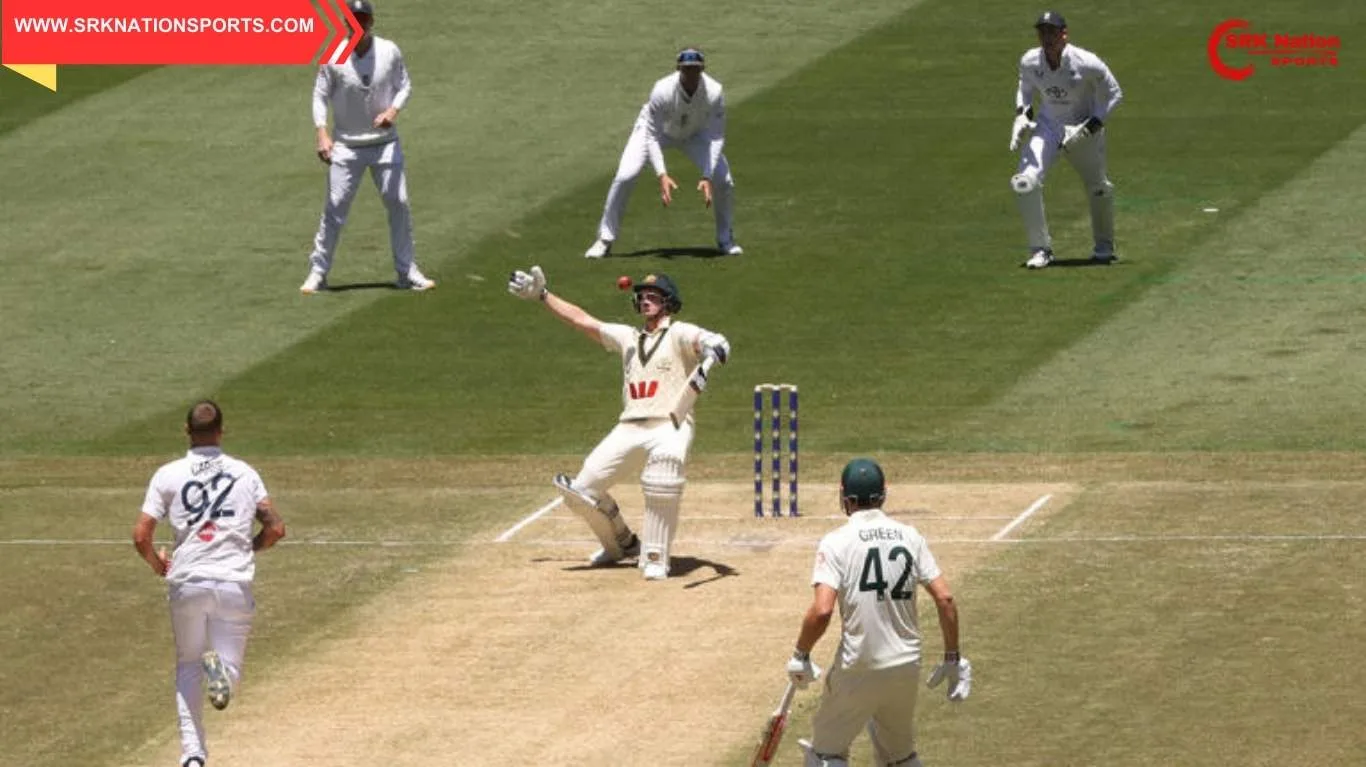
Legendary Indian cricketer Sunil Gavaskar has once again stirred debate in the cricketing fraternity with his sharp remarks on the Melbourne Cricket Ground (MCG) pitch. Gavaskar, known for his candid analysis, stated that if such a pitch had been prepared anywhere else in the world, “all hell would have broken loose.” His comments have reignited discussions about pitch standards, fairness in international cricket, and the role of governing bodies in maintaining consistency across venues.
Background of the MCG Pitch Controversy
- The MCG, one of the most iconic venues in world cricket, has often faced scrutiny over its pitch conditions.
- Recent matches at the venue witnessed uneven bounce, excessive seam movement, and difficulties for batsmen.
- Gavaskar’s remarks reflect concerns that pitches in certain countries are treated with leniency, while similar conditions elsewhere attract heavy criticism.
- His statement has sparked debates about whether cricket’s governing bodies apply double standards when evaluating pitches.
Key Highlights of Gavaskar’s Statement
| Indicator | Details |
|---|---|
| Speaker | Sunil Gavaskar |
| Venue | Melbourne Cricket Ground (MCG) |
| Nature of Pitch | Uneven bounce, excessive seam movement |
| Remark | “If there was a pitch like that anywhere else in the world, then all hell would have broken loose” |
| Broader Impact | Sparks debate on pitch standards and fairness |
Implications of Gavaskar’s Remarks
| Factor | Positive Impact | Challenges | Long-Term Implication |
|---|---|---|---|
| Pitch Standards | Highlights need for consistency | Risk of selective criticism | Pushes ICC to review pitch evaluation |
| Player Safety | Raises awareness of dangerous conditions | Difficult to balance bat-ball contest | Encourages safer playing surfaces |
| Fan Engagement | Sparks debates on social media | Divided opinions among supporters | Keeps cricket discussions alive |
| Governing Bodies | Encourages accountability | Risk of perceived bias | Reinforces transparency in pitch ratings |
| Tournament Branding | Adds drama to matches | Negative publicity for venues | Shapes global perception of cricket venues |
Why This Story Matters
- Global Standards: Gavaskar’s remarks highlight the need for uniform evaluation of pitches worldwide.
- Player Safety: Uneven pitches can pose risks to batsmen, making the issue critical.
- Fan Culture: Sparks debates among supporters, keeping cricket discussions alive.
- Tournament Integrity: Ensures fairness in international competitions.
- Media Narrative: Keeps the spotlight on governing bodies and their accountability.
MCG Pitch: Recent Issues
| Attribute | Details |
|---|---|
| Bounce | Uneven, unpredictable |
| Seam Movement | Excessive, favoring bowlers |
| Batting Conditions | Difficult for top-order batsmen |
| Match Impact | Low-scoring contests, early collapses |
| Criticism | Raised by players, analysts, and former cricketers |
The MCG pitch has often been criticized for failing to provide a balanced contest between bat and ball, with bowlers dominating excessively.
Expert Opinions
- Former Cricketers: Some support Gavaskar’s remarks, arguing that double standards exist in pitch evaluations.
- Analysts: Emphasize the importance of maintaining consistency across venues.
- Fans: Divided between enjoying bowler-friendly conditions and demanding fairness.
- Officials: Stress the need for pitches to evolve naturally while meeting safety standards.
Challenges Ahead
- Consistency: Ensuring pitches worldwide are judged by the same criteria.
- Safety: Protecting players from dangerous conditions.
- Public Perception: Addressing concerns about bias in evaluations.
- Tournament Integrity: Maintaining fairness in global competitions.
- Media Scrutiny: Handling continuous coverage of pitch controversies.
Opportunities for Cricket
- Uniform Standards: Develop clear guidelines for pitch evaluations.
- Transparency: Publish detailed reports on pitch ratings.
- Player Input: Involve cricketers in discussions about pitch safety.
- Fan Engagement: Use debates to promote awareness of cricket’s complexities.
- Venue Accountability: Encourage stadiums to maintain balanced playing surfaces.
Broader Context of Pitch Controversies
- Pitch conditions have long been a subject of debate in cricket.
- Venues in Asia often face criticism for turning tracks, while seam-friendly pitches in Australia and England are treated differently.
- Gavaskar’s remarks highlight the perception of double standards in global cricket.
- The issue underscores the importance of fairness and consistency in maintaining the sport’s integrity.
Public Sentiment
- Fans in India largely supported Gavaskar’s remarks, calling for fairness in pitch evaluations.
- Australian supporters defended the MCG, citing tradition and natural conditions.
- Social media platforms buzzed with debates, memes, and polls.
- Overall sentiment reflects a mix of frustration and passionate engagement.
Media Coverage
- News outlets widely reported Gavaskar’s comments, emphasizing their boldness.
- Analysts debated the implications for ICC’s pitch evaluation system.
- Coverage highlighted the importance of maintaining global standards.
- The story continues to dominate cricket discussions worldwide.
Conclusion
The remarks by Sunil Gavaskar on the MCG pitch, stating that “if there was a pitch like that anywhere else in the world, then all hell would have broken loose,” have reignited debates about fairness, consistency, and player safety in cricket. His comments underscore the need for governing bodies to apply uniform standards across venues, ensuring that the integrity of the sport is maintained. As cricket continues to evolve, the spotlight remains firmly on whether pitches worldwide can strike the right balance between bat and ball, delivering contests that are both fair and entertaining.
Disclaimer
This article is intended for informational purposes only and does not constitute official endorsement or criticism. Player remarks, pitch evaluations, and public sentiments are subject to change based on evolving circumstances. Readers are encouraged to follow official updates for accurate information. The author and publisher are not responsible for any decisions made based on this article.