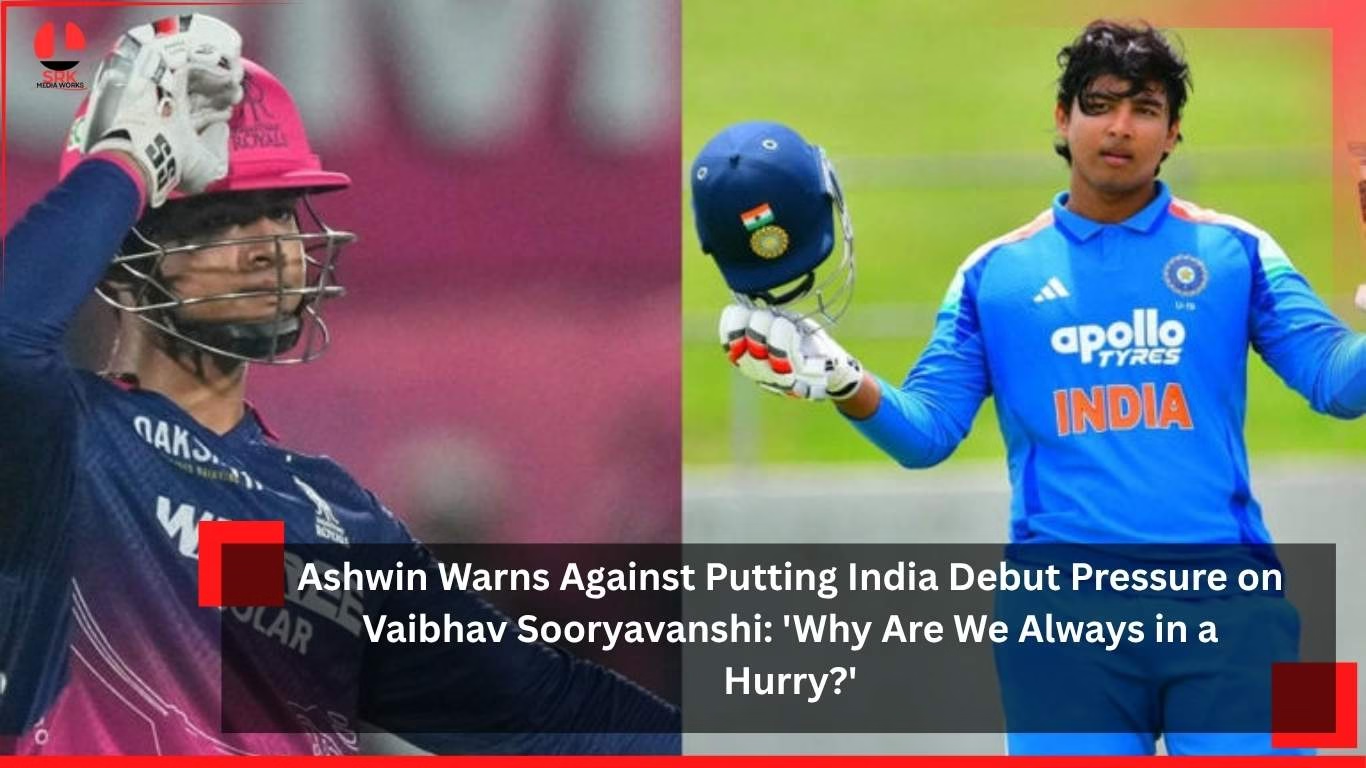






The India A vs Bangladesh A clash ended in heartbreak for Indian fans as the team fell short in the Super Over, sparking widespread debate over the batting choices made during the tense finale. One of the biggest talking points was the absence of Vaibhav Suryavanshi, a promising young batter known for his aggressive stroke play, who was not sent out to bat in the Super Over.
Captain Jitesh Sharma has now addressed the controversy, taking full responsibility for the decision and explaining the rationale behind it. His candid remarks have shed light on the complexities of leadership in high-pressure situations and the fine margins that often decide the outcome of matches.
The Match That Went Down to the Wire
India A and Bangladesh A played out a thrilling contest that ended in a tie, forcing the game into a Super Over. With both sides evenly matched, the Super Over became the ultimate decider.
India A’s batting choices surprised many fans and analysts, as Vaibhav Suryavanshi, who had shown excellent form earlier in the series, was not included in the batting lineup. Instead, other players were sent in, but they failed to capitalize against Bangladesh’s disciplined bowling attack.
Jitesh Sharma’s Explanation
Speaking after the match, Jitesh Sharma said:
- “It was my decision not to send Vaibhav in the Super Over. I take full responsibility.”
- He explained that the choice was based on tactical considerations, including match-ups against Bangladesh’s bowlers.
- Sharma admitted that hindsight showed the decision might have been flawed, but emphasized that he stood by his accountability as captain.
His statement reflects the challenges captains face in balancing instinct, strategy, and player confidence during crunch moments.
Super Over Decision Analysis
| Player | Strengths | Why Considered | Why Not Sent |
|---|---|---|---|
| Vaibhav Suryavanshi | Explosive hitter, fearless approach | Ideal for high-pressure overs | Captain opted for alternatives |
| Alternative Batsman 1 | Technical stability | Expected to rotate strike | Struggled against pace |
| Alternative Batsman 2 | Experience | Seen as safe option | Failed to accelerate |
Impact on Team India A’s Strategy
The decision not to send Suryavanshi had ripple effects:
- Missed Aggression: India A lacked the firepower needed to chase down the target in the Super Over.
- Team Morale: Questions arose about whether the young batter’s confidence was affected.
- Learning Curve: The incident highlighted the importance of pre-planned strategies for Super Overs.
India A’s Super Over Performance vs Bangladesh A
| Team | Runs Scored | Key Batters | Outcome |
|---|---|---|---|
| India A | 7 | Alternative choices | Fell short |
| Bangladesh A | 10 | Aggressive hitters | Clinched victory |
Fan Reactions
Fans expressed mixed emotions on social media:
- Supporters of Sharma: Praised his honesty and courage to own up to the decision.
- Critics: Questioned why Suryavanshi was sidelined despite being in form.
- Neutral Voices: Called for better communication and clarity in team strategies.
Expert Opinions
- Former Cricketers: Stressed that Super Overs demand aggressive batting, making Suryavanshi the natural choice.
- Analysts: Pointed out that Sharma’s accountability sets a positive example, even if the decision was flawed.
- Coaches: Emphasized the need for pre-planned strategies to avoid confusion in crunch moments.
Lessons for Future Matches
The controversy offers valuable lessons for India A and other teams:
- Pre-Defined Roles: Teams should decide Super Over batting orders before matches.
- Trust in Form Players: In-form batters should be prioritized in high-pressure situations.
- Clear Communication: Players must be informed of decisions to avoid morale issues.
- Balanced Approach: Combining aggression with experience can yield better results.
Vaibhav Suryavanshi’s Position
While Suryavanshi has not publicly criticized the decision, insiders suggest he was disappointed. His aggressive batting style has often turned matches in his team’s favor, and fans believe he could have made a difference in the Super Over.
Broader Implications for India A
The incident underscores the importance of leadership and decision-making in cricket:
- Young Captains: Sharma’s accountability sets an example for future leaders.
- Team Dynamics: Decisions in crunch moments affect not just outcomes but also player confidence.
- Tournament Impact: India A’s loss could influence their standing in the series, making future matches even more crucial.
Conclusion
The episode where India A captain Jitesh Sharma explained why Vaibhav Suryavanshi did not bat in the Super Over after the loss to Bangladesh highlights the fine margins in cricket. Sharma’s accountability has won respect, but the debate continues over whether the team missed a golden opportunity by not trusting Suryavanshi’s abilities.
As cricket evolves, such moments highlight the importance of strategy, communication, and the courage to accept responsibility. The incident will likely influence how India A prepares for future high-pressure scenarios, ensuring that lessons are learned and mistakes are not repeated.
Disclaimer: This article is based on publicly available match updates, player statements, and expert commentary. Readers are advised to follow official team releases for verified details.