


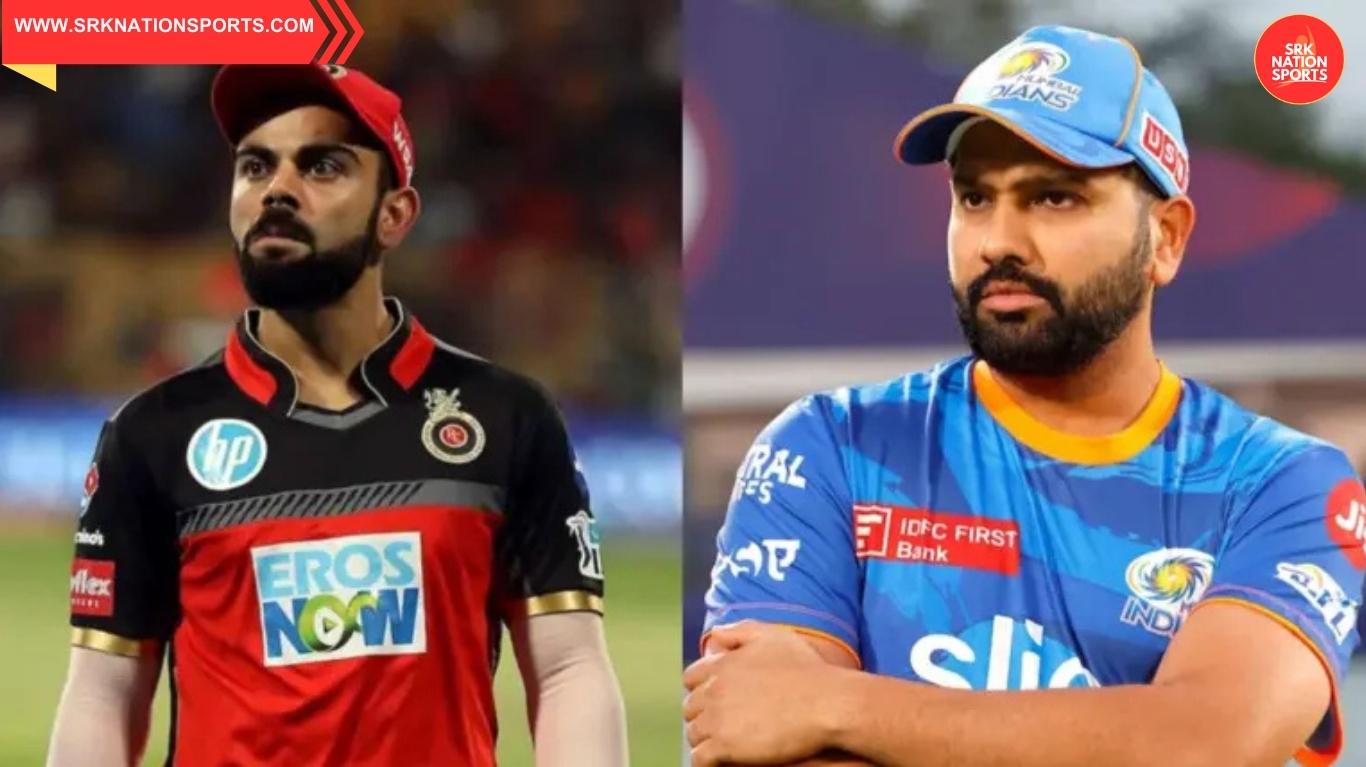
The Mumbai Indians (MI) have officially blocked defending champions Royal Challengers Bengaluru (RCB) from using the DY Patil Stadium in Navi Mumbai as a temporary home venue for the IPL 2026 season. The decision comes amid RCB’s search for an alternative ground while the M. Chinnaswamy Stadium in Bengaluru undergoes extensive renovations following safety concerns.
Key Highlights
- MI’s Decision: Mumbai Indians declined to grant a No Objection Certificate (NOC) to RCB for DY Patil.
- Territorial Rights: Under IPL rules, franchises must obtain permission if they wish to play in another team’s catchment area.
- Reasoning: MI argued that allowing RCB to host matches in Navi Mumbai would set a “wrong precedent” and dilute their fan base.
- RCB’s Situation: With Bengaluru unavailable, RCB is exploring a split home season in Raipur and Indore.
- League Context: The ruling highlights the importance of territorial rights in protecting franchise identity and revenue streams.
Analysis of the Venue Dispute
| Factor | RCB’s Proposal | MI’s Response | Outcome Observed |
|---|---|---|---|
| Venue Choice | DY Patil Stadium, Navi Mumbai | Denied permission | Territorial protection |
| IPL Rule | Requires NOC from local team | MI holds territorial rights | Rule enforced |
| Fan Base Impact | Potential overlap with MI fans | Risk of dilution | Prevented |
| Revenue Concerns | Ticketing and sponsorship overlap | MI cited long-term implications | Protected |
| RCB’s Alternatives | Raipur, Indore, other venues | Accelerated talks with state boards | Split season likely |
Comparative Analysis of IPL Venue Disputes
| Season | Teams Involved | Venue Issue | Resolution |
|---|---|---|---|
| IPL 2026 | MI vs RCB | DY Patil territorial rights | MI denied NOC |
| IPL 2023 | CSK vs SRH | Hyderabad venue overlap | SRH retained rights |
| IPL 2021 | RR vs KKR | Jaipur stadium dispute | Neutral venue used |
| IPL 2019 | DC vs KXIP | Mohali overlap | Denied, DC shifted |
Drivers Behind MI’s Decision
- Territorial Protection: Ensuring exclusive rights over Mumbai metropolitan region.
- Fan Base Loyalty: Preventing dilution of MI’s strong local following.
- Revenue Safeguard: Protecting ticket sales, sponsorships, and merchandising.
- League Precedent: Avoiding future disputes if other franchises attempt similar moves.
- Strategic Control: Reinforcing MI’s dominance in their home territory.
Public and Media Reaction
- Fans: Divided, with MI supporters backing the decision while RCB fans expressed frustration.
- Media: Coverage framed the dispute as a clash of territorial rights and franchise identity.
- Analysts: Noted that IPL’s territorial rules are crucial for maintaining balance among franchises.
- RCB Management: Accelerating talks with Raipur and Indore to finalize split-season venues.
Future Outlook
- Short-Term: RCB likely to announce Raipur and Indore as temporary home bases.
- Medium-Term: IPL may revisit territorial rules if disputes intensify.
- Long-Term: Franchises expected to push for clearer guidelines on venue sharing.
Challenges ahead:
- RCB managing fan engagement outside Bengaluru.
- Ensuring safety upgrades at Chinnaswamy Stadium are completed on time.
- Balancing territorial rights with flexibility for franchises facing venue issues.
Conclusion
The Mumbai Indians’ refusal to grant RCB permission to use DY Patil Stadium underscores the importance of territorial rights in the IPL. While RCB faces venue uncertainty due to renovations in Bengaluru, MI’s stance reflects the league’s emphasis on protecting franchise identity and fan loyalty. As RCB prepares for a split home season, the dispute highlights the delicate balance between competition, revenue, and territorial exclusivity in India’s premier cricket league.
Disclaimer
This article is intended for informational and analytical purposes only. It summarizes publicly available updates on the IPL 2026 venue dispute between Mumbai Indians and Royal Challengers Bengaluru. It does not constitute insider information, professional consultation, or official IPL communication. Readers are encouraged to verify facts independently and consider multiple perspectives before forming conclusions.