

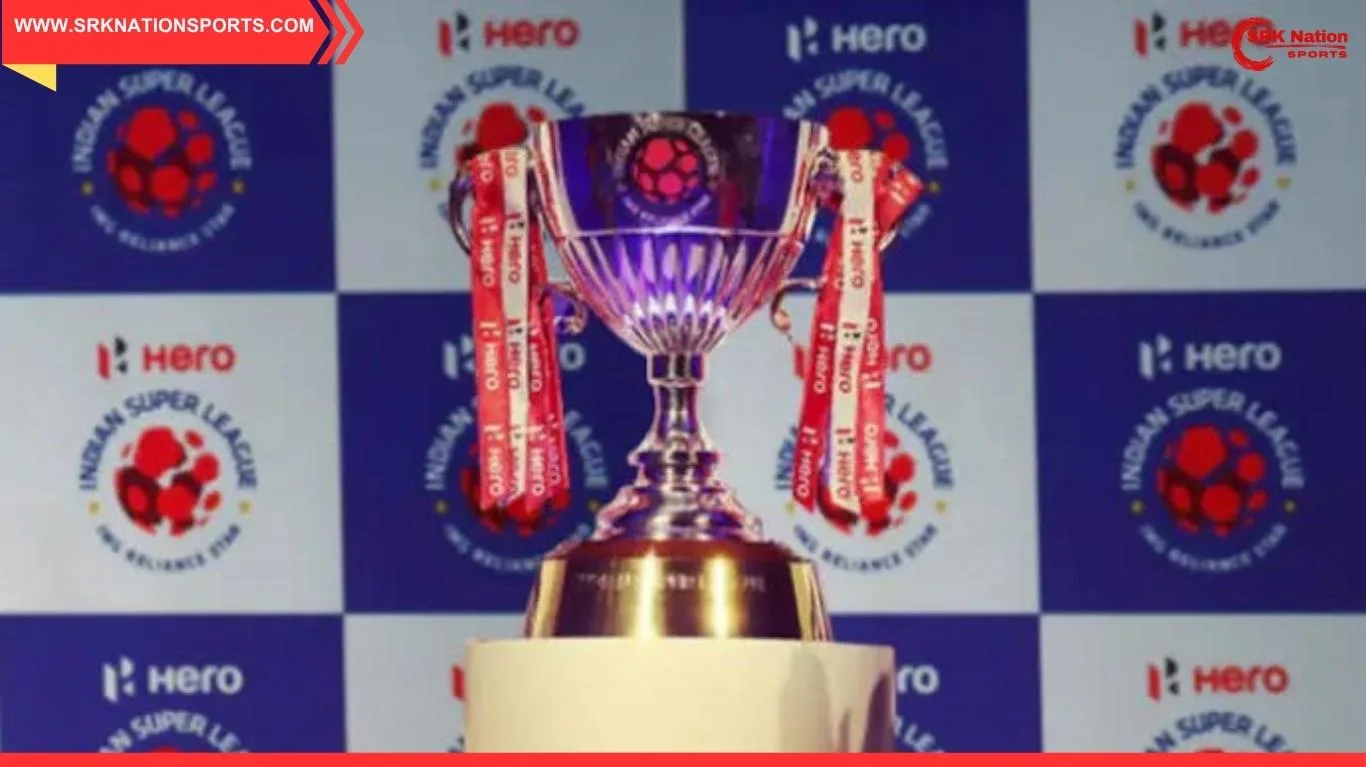
The All India Football Federation (AIFF) is facing one of its most serious crises in recent history after the Indian Super League (ISL) tender process concluded without a single bid. The tender, launched on October 16, 2025, was intended to secure a new commercial partner to manage broadcasting, sponsorship, digital, and merchandising rights for India’s top-tier football league. Despite extensive promotion and multiple deadline extensions, the process ended on November 7 with zero proposals submitted.
This development has sent shockwaves through the Indian football ecosystem, raising urgent questions about the AIFF’s credibility, the commercial viability of the ISL, and the future of professional football in the country. Once hailed as the face of India’s football revolution, the ISL now finds itself in limbo, with its 12th season delayed and its financial future uncertain.
🔍 Key Facts About the ISL Tender Collapse
| Attribute | Details |
|---|---|
| Tender Launch Date | October 16, 2025 |
| Tender Scope | Broadcast, sponsorship, digital, merchandising rights |
| Advisors | KPMG |
| Oversight | Justice L. Nageswara Rao |
| Deadline | November 7, 2025 |
| Outcome | Zero bids received |
| AIFF President | Kalyan Chaubey |
The failure to attract even one bidder reflects a deep erosion of trust in the AIFF’s commercial strategy and governance.
📊 Timeline of Events Leading to the Crisis
| Date | Event Description | Outcome |
|---|---|---|
| Oct 16, 2025 | AIFF launches ISL tender | Initial optimism |
| Oct 25, 2025 | Deadline extended amid lack of interest | Four parties in talks, no firm proposals |
| Nov 1, 2025 | Clarifications issued by AIFF | Still no confirmed bids |
| Nov 7, 2025 | Tender closes with zero bidders | Crisis confirmed |
| Nov 8, 2025 | AIFF faces backlash from clubs and stakeholders | Calls for reform intensify |
The collapse has exposed long-standing issues in Indian football’s commercial and structural foundations.
🗣️ Reactions from Clubs, Analysts, and Fans
| Stakeholder | Commentary Summary |
|---|---|
| ISL Clubs | “We are left in the dark. The league’s future is unclear.” |
| Football Analysts | “AIFF’s failure reflects poor planning and lack of transparency.” |
| Fans on Social Media | “This is a betrayal of Indian football’s promise.” |
| Former Players | “We need a new roadmap, not just damage control.” |
The absence of bidders has triggered widespread criticism of AIFF’s leadership and strategic direction.
📌 Strategic Implications for Indian Football
| Area | Potential Impact |
|---|---|
| League Operations | Delay or cancellation of ISL 2025–26 season |
| Club Finances | Revenue loss, sponsorship withdrawal |
| Player Development | Reduced match exposure, stalled youth programs |
| Fan Engagement | Decline in viewership and stadium attendance |
| International Standing | Loss of credibility in AFC and FIFA circles |
The crisis could reverse years of progress made in professionalizing Indian football.
📈 Comparative Snapshot – ISL vs Other Asian Leagues
| League | Avg. Attendance | Broadcast Reach | Sponsorship Strength | Governance Stability |
|---|---|---|---|---|
| Indian Super League | 12,000 | Moderate | Weak (post-2023) | Fragile |
| J-League (Japan) | 18,000 | Strong | Robust | Stable |
| K-League (South Korea) | 10,000 | Strong | Moderate | Stable |
| Thai League | 8,000 | Growing | Improving | Stable |
The ISL’s decline contrasts sharply with the growth trajectories of other Asian football leagues.
📌 Conclusion
The AIFF’s failure to attract a single bid for the ISL tender has plunged Indian football into a deep crisis. It reflects not just a commercial setback, but a systemic breakdown in governance, planning, and stakeholder engagement. As clubs, players, and fans await clarity, the need for structural reform, transparent leadership, and a renewed vision for Indian football has never been more urgent. The ISL’s future—and by extension, the future of football in India—now hangs in the balance.
Disclaimer: This article is based on publicly available news reports, official statements, and verified sources. It is intended for informational and editorial purposes only and does not constitute legal or financial advice.