




In a monumental achievement for both traditional and digital chess formats, Magnus Carlsen, the Norwegian Grandmaster and former five-time World Chess Champion, has etched his name into the history books by winning the inaugural Chess Esports World Cup 2025. Held in a groundbreaking hybrid format blending classical principles with modern esports infrastructure, the event drew the world’s top grandmasters and digital chess specialists, transforming the landscape of the game forever.
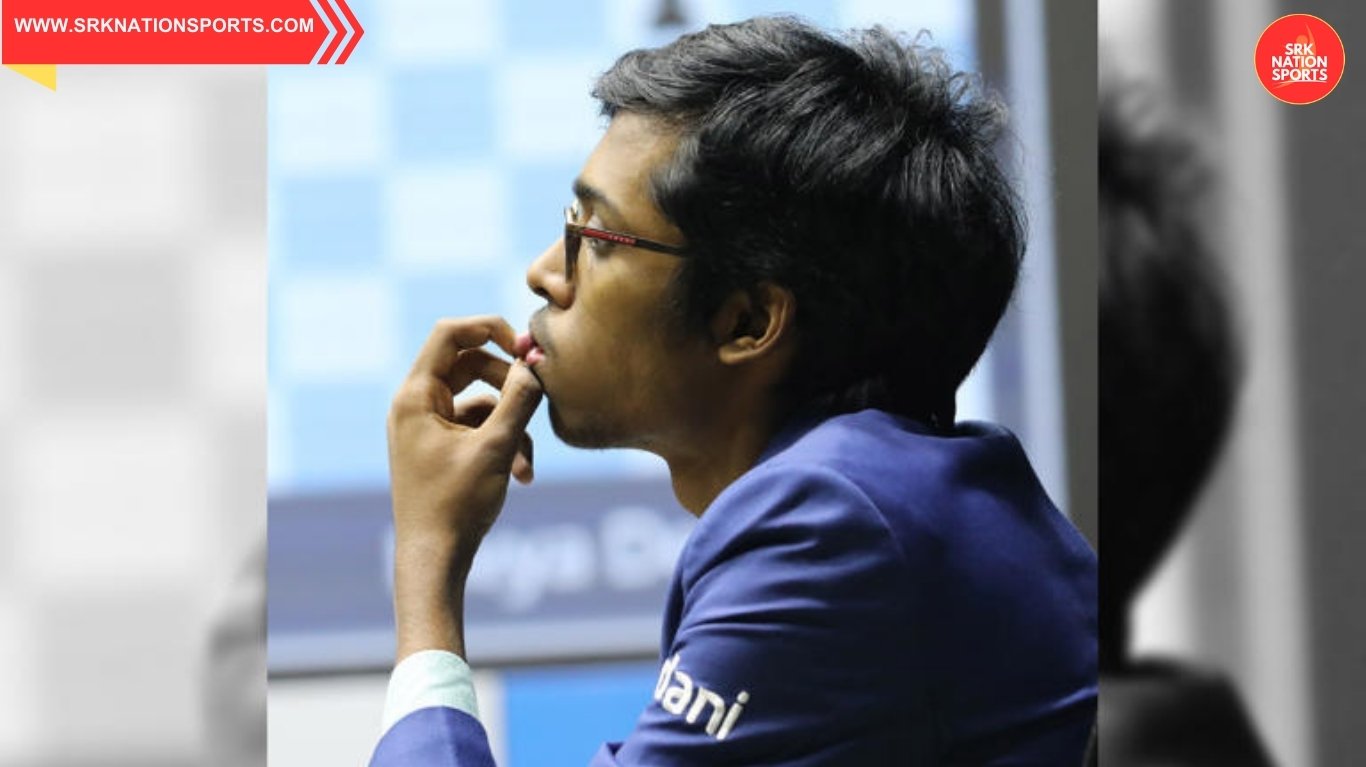
Despite a strong campaign, India’s Arjun Erigaisi, one of the nation’s brightest chess talents, narrowly missed a podium finish, placing fourth after an intense tiebreaker. While disappointing for Indian fans, Erigaisi’s performance demonstrated the nation’s growing prominence in both over-the-board and online chess ecosystems.
What is the Chess Esports World Cup?
Organized under the auspices of the Global Chess League and backed by several leading esports and chess federations, the Chess Esports World Cup 2025 represents a landmark fusion of technology and tradition. Unlike classical tournaments, this event introduced innovative rules such as time-controlled hybrid formats, motion-sensitive interfaces, and real-time audience interaction through virtual reality platforms.
Hosted digitally across multiple time zones and supported by AI-enhanced anti-cheating protocols, the World Cup witnessed participation from over 100 elite players from 30+ countries. Its grand finale featured a series of lightning-fast knockouts, rapid time formats, and strategic online duels broadcast to millions of viewers globally.
Magnus Carlsen’s Path to Glory
Carlsen, known for his deep positional understanding, exceptional adaptability, and unwavering confidence, approached the esports variant of chess with the same rigor that brought him dominance in classical formats.
Key Milestones in Carlsen’s Championship Run
| Round | Opponent | Result | Format |
|---|---|---|---|
| Round of 16 | Daniil Dubov (Russia) | 3-1 (Rapid) | Best-of-5 |
| Quarterfinal | Hikaru Nakamura (USA) | 2.5-1.5 (Rapid + Blitz) | Knockout |
| Semifinal | Nodirbek Abdusattorov (UZB) | 2-0 (Blitz) | Sudden Death |
| Final | Alireza Firouzja (France) | 2.5-0.5 (Rapid + Blitz) | Grand Final |
Carlsen’s precision and psychological pressure proved insurmountable, especially in faster formats, where his ability to create chances from equal positions truly shone. His performance earned widespread praise from chess legends and esports analysts alike, with many calling it “a defining moment in chess history.”
Arjun Erigaisi’s Brave Campaign
India’s Arjun Erigaisi, who has been in fine form over the past two years, impressed the chess world with his aggressive play and strategic flair. Having defeated top-ranked players like Shakhriyar Mamedyarov and Anish Giri in earlier rounds, Erigaisi made it to the semifinals, where he narrowly lost to Firouzja in a gripping blitz tiebreaker.
He then contested the third-place playoff against Nodirbek Abdusattorov, but a costly blunder in the rapid segment forced him into fourth place.
Erigaisi’s Journey in the Event
| Round | Opponent | Result | Remarks |
|---|---|---|---|
| Round of 16 | Jorden van Foreest (Netherlands) | 3-0 (Rapid) | Strong tactical display |
| Quarterfinal | Anish Giri (Netherlands) | 2.5-1.5 | Decided in Blitz |
| Semifinal | Alireza Firouzja (France) | 1.5-2.5 | Lost in Blitz tiebreak |
| Third-Place | N. Abdusattorov (Uzbekistan) | 1.0-2.0 | Missed podium after late-game error |
Despite missing a medal, Erigaisi’s performance reaffirmed his status as India’s next chess superstar, alongside R Praggnanandhaa, Gukesh D, and Nihal Sarin.
India’s Growing Footprint in Chess Esports
While Erigaisi was the standout, other Indian players like Vidit Gujrathi, R Vaishali, and Praggnanandhaa also participated and impressed in earlier rounds. India’s presence in chess esports continues to strengthen, fueled by a robust chess ecosystem, rising online platforms like ChessBase India and lichess India, and government support for digital sporting events.
Indian Grandmasters are increasingly blending over-the-board skills with digital preparation, thanks to AI-based training tools, online tournaments, and advanced analytics — all factors crucial in this new era.
Evolution of Esports Chess: The Future of Mind Sports
The success of the 2025 Chess Esports World Cup is being hailed as a turning point for mind sports, not only because of its digital-first approach but due to its ability to attract younger audiences, sponsors, and non-traditional chess fans. With a massive streaming audience of over 30 million viewers worldwide and simultaneous commentary in 12 languages, chess has never been more accessible or dynamic.
Technologies like VR boards, AR interactions, live heat maps of thinking patterns, and emotion AI feedback were used to make matches more interactive and understandable for spectators, increasing viewer engagement multifold.
Key Viewer Metrics from the Event
| Metric | Data |
|---|---|
| Total Viewership | 30 million+ |
| Languages Streamed | 12 |
| Countries Represented | 32 |
| Prize Pool | $1.2 Million USD |
| Winner’s Share (Carlsen) | $350,000 USD |
| India Viewership Spike | 62% increase compared to last year |
What This Means for Carlsen and Global Chess
Magnus Carlsen’s win in this new format further cements his reputation as the most versatile and dominant chess player in history. He now holds titles in Classical, Rapid, Blitz, and Esports variants — a feat never achieved before.
Speaking after the win, Carlsen remarked: “Chess is evolving, and it’s exciting to be part of that journey. Esports is the bridge between the past and the future of chess.”
With this landmark event, it’s clear that chess is no longer confined to boards and clocks. It is now fully embedded into the digital revolution of global sports.
Conclusion
The Chess Esports World Cup 2025 is more than just a tournament; it’s a vision of what chess can be in the digital age. With legends like Carlsen pushing the boundaries and rising stars like Arjun Erigaisi lighting up the global stage, the future of the sport looks bright, innovative, and inclusive.
As chess steps into this exciting era, India’s chess revolution continues — not only in classrooms and coaching centers but on digital battlefields across the world.
Disclaimer: The information presented is based on tournament broadcasts, public coverage, and player statistics as of July 30, 2025. Future updates regarding player rankings, earnings, or FIDE implications may vary depending on official reporting.