

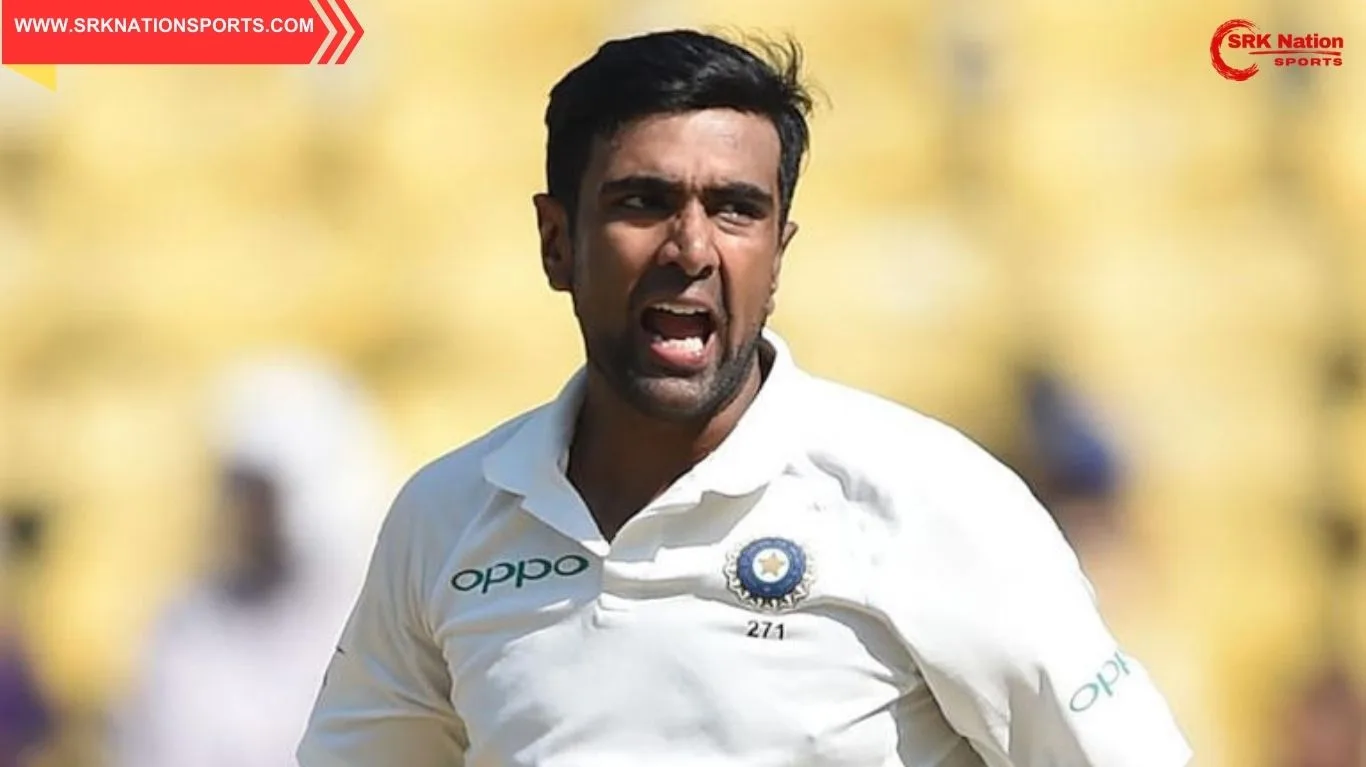
Indian off-spinner Ravichandran Ashwin, one of the most respected voices in modern cricket, has raised serious concerns about the T20 World Cup 2026, warning the International Cricket Council (ICC) that “no one’s going to watch” if pressing issues are not addressed. His statement has sparked widespread debate in cricketing circles, with fans, analysts, and former players weighing in on the future of the shortest format of the game.
Background of Ashwin’s Concerns
- Ashwin has often spoken candidly about cricket’s evolving formats and the challenges of balancing player workload, fan engagement, and tournament scheduling.
- His latest remarks highlight fears that the T20 World Cup could lose its charm due to oversaturation, poor scheduling, and lack of innovation.
- The ICC has expanded the number of teams and matches in recent tournaments, but critics argue that this has diluted the quality of competition.
- Ashwin’s warning comes at a crucial time, as cricket boards and organizers prepare for the 2026 edition of the tournament.
Key Highlights of Ashwin’s Statement
| Indicator | Details |
|---|---|
| Player | Ravichandran Ashwin |
| Concern | Declining fan interest in T20 World Cup 2026 |
| Reason | Oversaturation, scheduling, lack of innovation |
| Message to ICC | “No one’s going to watch” if issues persist |
| Broader Impact | Sparks debate on cricket’s future direction |
Implications of Ashwin’s Warning
| Factor | Positive Impact | Challenges | Long-Term Implication |
|---|---|---|---|
| Fan Engagement | Encourages ICC to rethink strategy | Risk of declining viewership | Sustains cricket’s global appeal |
| Player Workload | Highlights need for balance | Scheduling conflicts | Better management of player health |
| Tournament Quality | Pushes for innovation | Risk of diluted competition | Ensures high standards |
| Governance | Reinforces accountability | Resistance to change | Strengthens ICC credibility |
| Media Coverage | Amplifies debate | Risk of negative publicity | Shapes cricket’s narrative |
Why This Story Matters
- Global Appeal: The T20 World Cup is one of cricket’s biggest spectacles, attracting millions of viewers worldwide.
- Player Perspective: Ashwin’s remarks reflect concerns from within the cricketing fraternity.
- Fan Experience: Declining interest could impact sponsorships, broadcasting, and overall revenue.
- Governance Accountability: The ICC must address these concerns to maintain credibility.
- Future of Cricket: The debate highlights broader questions about the sustainability of multiple formats.
Issues Highlighted by Ashwin
| Issue | Details |
|---|---|
| Oversaturation | Too many T20 leagues and tournaments globally |
| Scheduling | Poor timing of matches affecting viewership |
| Innovation | Lack of fresh ideas to engage fans |
| Player Workload | Continuous cricket leading to fatigue |
| Quality of Competition | Expanded tournaments diluting standards |
Ashwin’s concerns resonate with fans who feel that the excitement of T20 cricket is being overshadowed by repetitive formats and congested calendars.
Expert Opinions
- Former Players: Agree that oversaturation is a major issue, with too many T20 leagues competing for attention.
- Analysts: Suggest that ICC must innovate with formats, venues, and fan engagement strategies.
- Fans: Express frustration over scheduling clashes and lack of marquee matchups.
- Critics: Warn that ignoring these concerns could damage cricket’s global reputation.
Challenges Ahead for ICC
- Balancing Formats: Ensuring Test, ODI, and T20 cricket coexist without undermining each other.
- Global Scheduling: Avoiding clashes with domestic leagues and other tournaments.
- Fan Engagement: Innovating with technology, digital platforms, and interactive experiences.
- Revenue Concerns: Declining viewership could impact sponsorships and broadcasting deals.
- Player Welfare: Managing workload to prevent burnout and injuries.
Opportunities for ICC
- Innovative Formats: Introduce new rules or match structures to enhance excitement.
- Digital Engagement: Use streaming platforms, VR, and fan interaction tools.
- Global Expansion: Promote cricket in non-traditional markets.
- Player-Centric Policies: Prioritize workload management and welfare.
- Cultural Integration: Highlight local traditions and fan experiences at venues.
Broader Context of Cricket’s Future
- Cricket faces the challenge of balancing tradition with modern demands.
- T20 cricket has revolutionized the sport but risks losing appeal if not managed carefully.
- The rise of franchise leagues like the IPL has shifted focus away from international tournaments.
- Ashwin’s remarks reflect a growing sentiment that international cricket must innovate to remain relevant.
Public Sentiment
- Fans expressed support for Ashwin’s concerns, calling for reforms in tournament structures.
- Social media debates highlighted frustration over repetitive formats and poor scheduling.
- Some argued that franchise leagues have overshadowed international tournaments.
- Overall sentiment reflects a mix of concern and hope for meaningful reforms.
Media Coverage
- News outlets widely reported Ashwin’s remarks, sparking debates on cricket’s future.
- Analysts discussed potential reforms, including shorter tournaments and innovative formats.
- Coverage emphasized the importance of balancing fan engagement with player welfare.
- The story continues to dominate cricket discussions globally.
Conclusion
The warning by R Ashwin that “no one’s going to watch T20 World Cup 2026” is a wake-up call for the ICC. His concerns about oversaturation, scheduling, and lack of innovation highlight pressing issues that could impact cricket’s global appeal. As fans and players demand reforms, the ICC faces the challenge of balancing tradition with modern demands. The future of the T20 World Cup—and cricket itself—depends on how effectively these concerns are addressed.
Disclaimer
This article is intended for informational purposes only and does not constitute official endorsement or criticism. Player statements, organizational strategies, and public sentiments are subject to change based on evolving circumstances. Readers are encouraged to follow official updates for accurate information. The author and publisher are not responsible for any decisions made based on this article.