


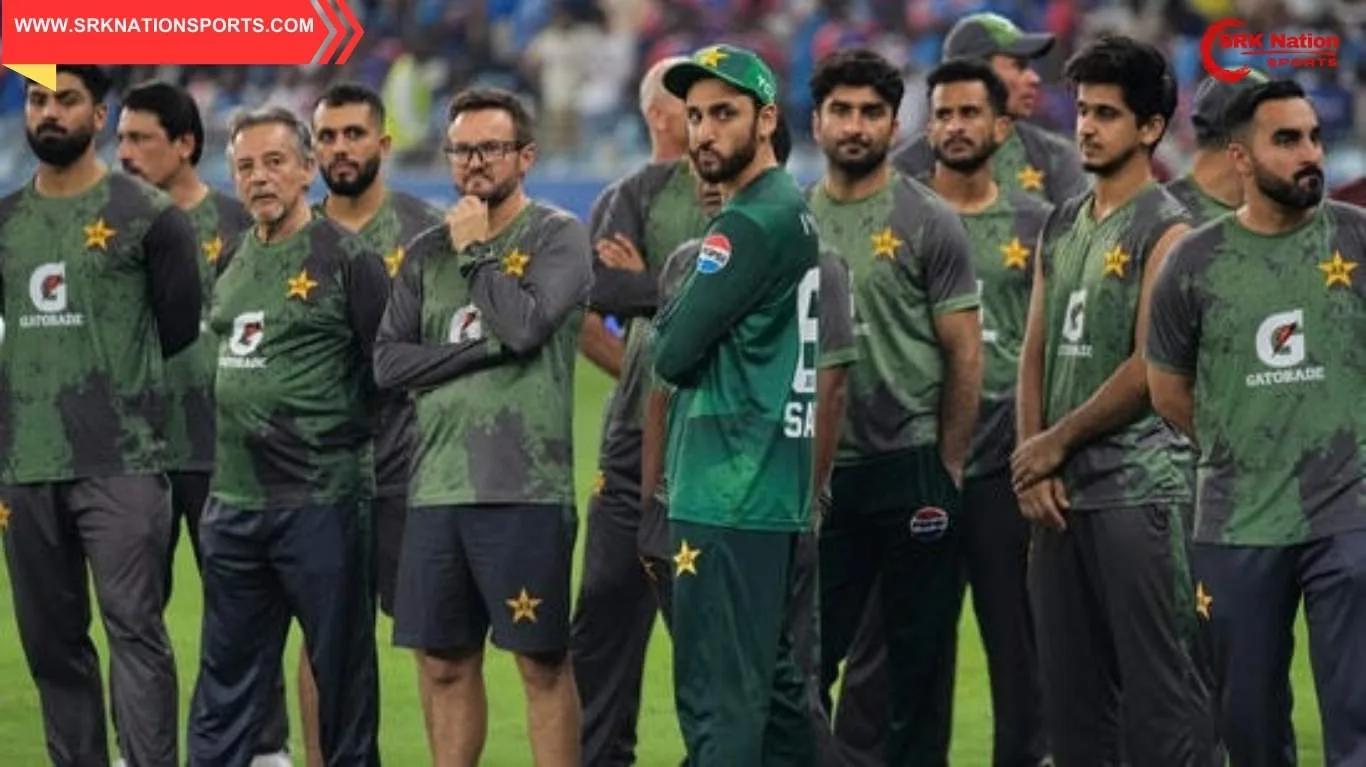
The Pakistan Cricket Board (PCB) has reportedly kept the option of boycotting matches against India open in the upcoming ICC World Cup, despite facing potential legal consequences. According to reports, the final decision will depend on Pakistan’s performance in their first two games of the tournament. This development has sparked intense debate in cricketing circles, raising concerns about sportsmanship, politics, and the future of one of cricket’s biggest rivalries.
Background of the Issue
- The PCB has long expressed reservations about playing against India due to political tensions between the two nations.
- Legal experts have warned that boycotting scheduled matches could lead to sanctions from the ICC, including fines or points deductions.
- The board is reportedly weighing its options, with the outcome of Pakistan’s first two matches seen as a decisive factor.
- The India-Pakistan clash remains one of the most anticipated fixtures in world cricket, drawing millions of viewers globally.
Key Highlights
| Indicator | Details |
|---|---|
| Governing Body | Pakistan Cricket Board (PCB) |
| Issue | Possible boycott of India match |
| Legal Threat | ICC sanctions, fines, points deduction |
| Decision Timeline | After Pakistan’s first two World Cup games |
| Broader Context | Political tensions, cricketing rivalry |
PCB’s Options vs Consequences
| Factor | Option | Consequence | Implication |
|---|---|---|---|
| Play Against India | Proceed with fixture | Maintain ICC compliance | Preserve rivalry |
| Boycott Match | Refuse to play | Legal sanctions, fines | Risk of isolation |
| Conditional Decision | Wait for first two games | Performance-based choice | Uncertainty continues |
| Fan Sentiment | Desire for rivalry | Anger at boycott | Emotional impact |
| Long-Term Outlook | Maintain rivalry | Risk of strained ICC ties | Global cricket balance |
Why This Story Matters
- Cricketing Rivalry: India vs Pakistan is the sport’s most-watched fixture.
- Legal Implications: Boycott could trigger ICC sanctions.
- Fan Sentiment: Millions of fans await clarity on the match.
- Political Context: Reflects broader tensions between the two nations.
- Global Impact: Could affect the credibility of ICC tournaments.
PCB’s Perspective
- Officials argue that political considerations cannot be ignored.
- The board insists that player safety and national sentiment are priorities.
- PCB leadership is balancing legal risks with domestic pressures.
Expert Opinions
- Cricket Analysts: Warn that boycotts undermine the spirit of the game.
- Legal Experts: Stress that ICC rules mandate participation in scheduled fixtures.
- Critics: Argue that politics should not interfere with cricket.
- Supporters: Believe PCB is right to prioritize national interests.
Challenges Ahead
- Legal Risks: ICC sanctions could damage Pakistan’s campaign.
- Fan Expectations: Managing disappointment if boycott occurs.
- Tournament Integrity: Ensuring fairness in World Cup fixtures.
- Political Pressure: Balancing diplomacy with sportsmanship.
- Media Scrutiny: Handling global coverage of the controversy.
Opportunities
- Dialogue with ICC: Negotiating terms to avoid sanctions.
- Public Engagement: Clarifying PCB’s stance to fans.
- Strategic Decision-Making: Using early matches to guide choices.
- Diplomatic Channels: Leveraging cricket for peace-building.
- Global Narrative: Positioning Pakistan as a responsible stakeholder.
Broader Context
- India-Pakistan cricket matches are often overshadowed by political tensions.
- The rivalry remains the most commercially lucrative fixture in world cricket.
- Boycotts have occurred in the past, but ICC rules now make them riskier.
- The controversy underscores the intersection of sports, politics, and diplomacy.
Sectoral Breakdown of Impact
| Sector | Impact | Strategic Importance |
|---|---|---|
| Cricket Governance | ICC sanctions possible | Tournament integrity |
| Fan Engagement | Emotional reactions | Global viewership |
| Media | Intense coverage | Narrative shaping |
| Politics | Reflects bilateral tensions | Diplomatic implications |
| Sports Business | Sponsorship and revenue | Commercial stakes |
Media Coverage
- Headlines highlight PCB’s indecision and legal risks.
- Analysts debate the feasibility of boycotting India matches.
- Coverage emphasizes fan disappointment and global scrutiny.
- The story resonates across sports, politics, and business platforms.
Conclusion
The PCB’s decision to keep the India match boycott option open despite legal threats has added uncertainty to the upcoming World Cup. With the final call hinging on Pakistan’s first two games, the controversy reflects the complex interplay of politics, sportsmanship, and global cricket governance. Whether the match proceeds or not, the issue underscores the fragile balance between national interests and the spirit of the game.
Disclaimer
This article is intended for informational purposes only and does not constitute legal or sports advice. Decisions, policies, and outcomes are subject to change based on evolving circumstances. Readers are encouraged to follow official updates for accurate information. The author and publisher are not responsible for any decisions made based on this article.