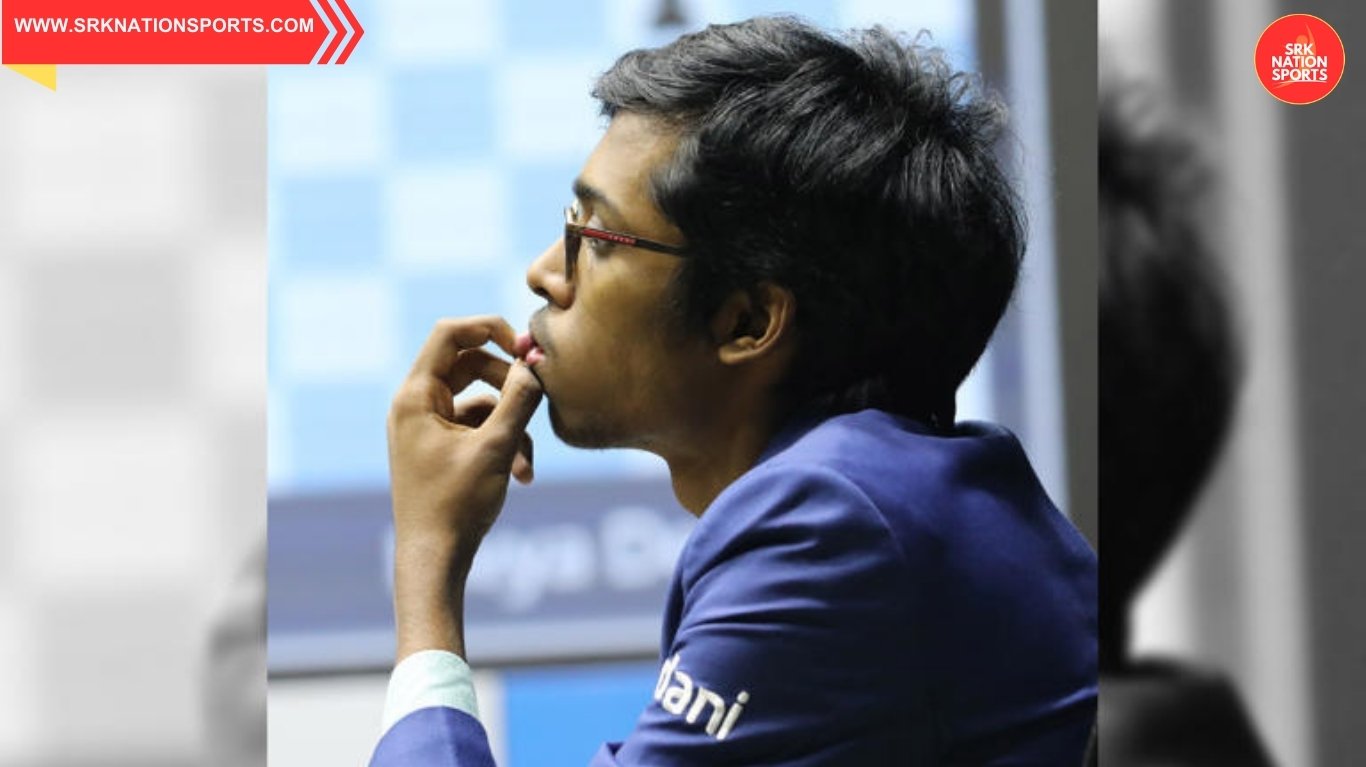






The world of chess is witnessing a dramatic turn of events as young Indian prodigies Rameshbabu Praggnanandhaa (Pragg) and Dommaraju Gukesh continue their campaigns in the latest elite tournament. With Pragg edging closer to securing a top-four finish, Gukesh, despite his fighting spirit, has slipped out of contention. This development highlights the intense competition at the global stage, where every move determines not just a game’s outcome but also the career trajectory of young grandmasters.
Pragg’s Road to the Top Four
Praggnanandhaa’s consistency has been the defining factor of his performance. The Chennai-born youngster has displayed remarkable maturity, often holding his nerve against higher-ranked opponents. His ability to balance aggressive play with positional discipline has made him one of the most difficult opponents in the tournament.
In crucial games, Pragg managed to convert small advantages into decisive victories, a hallmark of top-level chess. His wins against strong international grandmasters not only boosted his confidence but also ensured he stayed within striking distance of the tournament’s leaders.
By staying within the top four, Pragg positions himself for qualification into prestigious tournaments that could elevate his career further. This finish also solidifies his growing reputation as one of India’s brightest chess stars, following in the footsteps of Viswanathan Anand.
Gukesh’s Struggles and Exit from Contention
Dommaraju Gukesh, another teenage sensation from India, has faced a contrasting fate. Despite starting strongly, his mid-tournament stumbles cost him dearly. In closely fought games, small tactical errors proved decisive, leading to unexpected losses.
While Gukesh’s creative style and bold opening choices brought him praise, they also exposed him to counterplay from experienced opponents. His inability to capitalize on favorable positions ultimately pushed him out of the race for a top-four spot.
For Gukesh, this tournament serves as a valuable learning experience. At just 18 years old, he has already achieved milestones that many players dream of. Falling short here does not diminish his potential but emphasizes the areas he needs to refine—such as endgame precision and time management under pressure.
Indian Chess: A Tale of Two Prodigies
Pragg and Gukesh represent the new era of Indian chess, carrying forward the legacy of Anand. Their contrasting journeys in this tournament underline the unpredictable nature of the sport.
India now has multiple young players competing at the highest level, making it one of the fastest-growing chess nations. The rise of these prodigies has also spurred greater interest in chess among younger generations, strengthening India’s position in the global chess ecosystem.
Tournament Progress of Indian Grandmasters
| Player | Current Standing | Key Highlights | Challenges Faced |
|---|---|---|---|
| R. Praggnanandhaa | In top-four race | Consistent performance, solid preparation | Needs sharper opening innovations |
| D. Gukesh | Out of contention | Aggressive play, early strong games | Missed chances, endgame inaccuracies |
This comparison highlights the fine margins that separate success from disappointment at elite levels of chess.
The Global Chess Landscape
The current tournament is a reflection of how competitive modern chess has become. With young players from India, Uzbekistan, the United States, and Europe dominating the headlines, the traditional hierarchy of chess powerhouses is shifting.
For Pragg, finishing in the top four could mean invitations to super tournaments such as the Grand Chess Tour or Candidates events. For Gukesh, the focus will shift to recalibrating strategies and preparing for the next set of challenges.
Impact on India’s Chess Future
India’s chess revolution is no longer just about individual brilliance. The infrastructure, support systems, and exposure to global events are shaping a generation of fearless competitors. Pragg’s potential top-four finish is a testament to this ecosystem, while Gukesh’s struggle shows the level of improvement still required to consistently dominate.
The duo, along with other stars like Arjun Erigaisi and Nihal Sarin, ensures that India will remain a powerhouse in world chess for years to come.
Key Factors Behind Pragg’s Success
- Opening Preparation – Pragg has worked extensively on his opening repertoire, neutralizing threats from opponents and surprising them with deep preparation.
- Composure Under Pressure – His ability to hold draws in tough positions reflects his growing maturity.
- Support System – Backed by top coaches, family support, and exposure to high-level tournaments, Pragg enjoys an environment conducive to success.
- Experience Against Elites – Regular games against world champions and top grandmasters have accelerated his growth.
Gukesh: The Road Ahead
While this tournament may not have gone in his favor, Gukesh’s resilience and talent remain unquestionable. His style of play, characterized by fearlessness and creativity, has already made him a fan favorite. Going forward, focusing on positional play, deeper calculation, and refining his closing skills will help him convert near-wins into victories.
At his age, setbacks are stepping stones, and every defeat adds to his growing wealth of experience.
Performance Overview
| Round | Praggnanandhaa (Result) | Gukesh (Result) |
|---|---|---|
| 1 | Draw | Win |
| 2 | Win | Draw |
| 3 | Draw | Loss |
| 4 | Win | Loss |
| 5 | Draw | Draw |
| 6 | Win | Loss |
| 7 | Draw | Win |
| 8 | Win | Loss |
This overview demonstrates Pragg’s ability to remain consistent, while Gukesh’s ups and downs ultimately kept him out of contention.
Conclusion
The story of Pragg and Gukesh in this tournament is more than just about wins and losses. It reflects the resilience of young minds competing at the highest stage, the unpredictability of elite chess, and the promise of India’s next generation of superstars.
Pragg’s likely top-four finish will be a stepping stone to even bigger opportunities, while Gukesh’s exit from contention serves as a reminder that setbacks are integral to long-term success. Together, they embody the spirit of Indian chess—fearless, ambitious, and ready to challenge the world.
Disclaimer: This article is based on ongoing tournament performances, chess analysis, and general sporting trends. It is intended for informational and educational purposes only and does not represent official tournament standings or endorsements.