


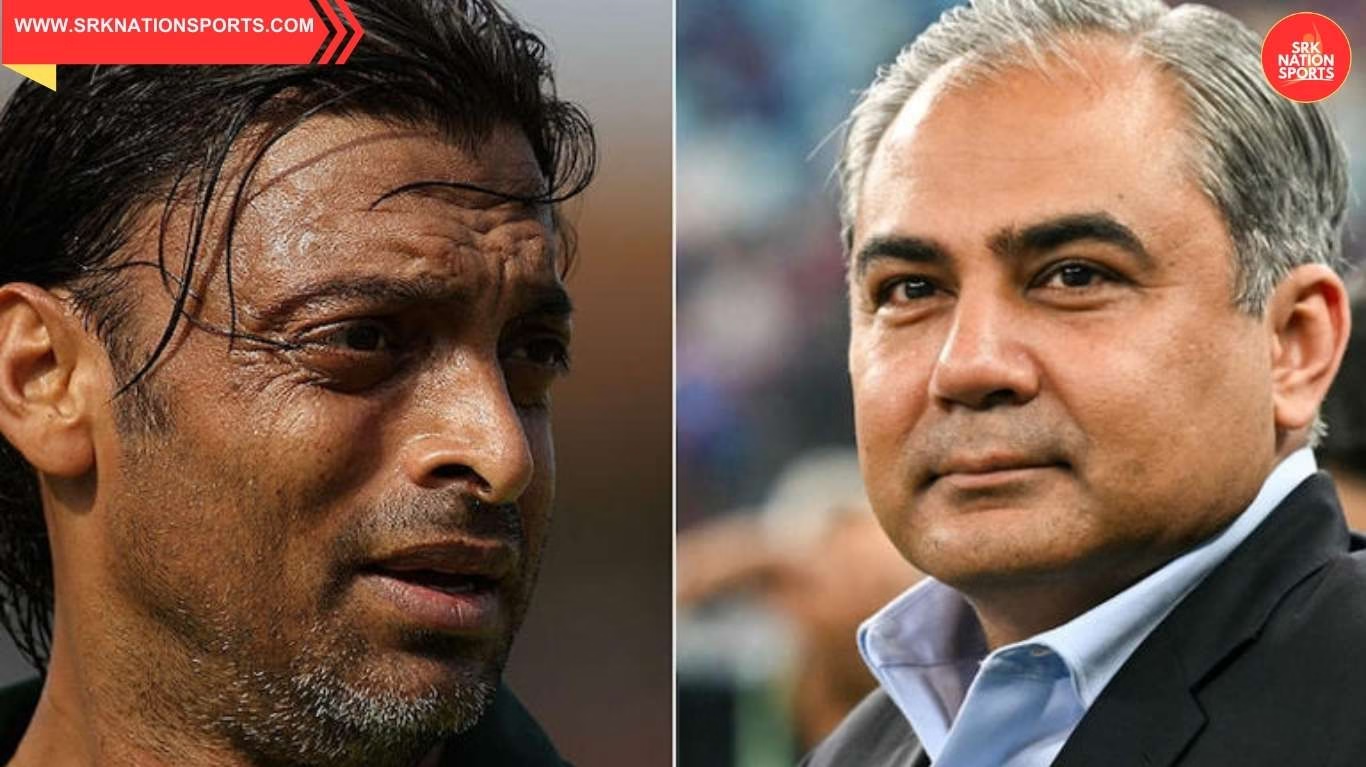
Pakistan’s cricketing circles have been buzzing with controversy after former fast bowler Shoaib Akhtar made a sharp U-turn on his remarks about Pakistan Cricket Board (PCB) Chairman Mohsin Naqvi. Akhtar, known for his outspoken nature, had earlier labeled Naqvi “illiterate,” sparking outrage and heated debates. However, in a surprising reversal, Akhtar has now softened his stance, praising Naqvi’s leadership qualities and calling for unity in Pakistan cricket.
Background
Shoaib Akhtar, often referred to as the “Rawalpindi Express,” has never shied away from expressing strong opinions about cricket administration in Pakistan. His criticism of Mohsin Naqvi initially appeared to be a direct attack on the PCB’s leadership. Yet, his subsequent reversal has left fans and analysts questioning his motives and consistency.
- Initial Criticism: Akhtar accused Naqvi of lacking the educational background to lead the PCB.
- Public Reaction: His remarks drew sharp criticism from fans, officials, and cricket experts.
- U-Turn: Akhtar later praised Naqvi’s administrative skills, calling him capable of steering Pakistan cricket forward.
Why the U-Turn Matters
Akhtar’s reversal is significant because it highlights the fragile relationship between former players and cricket administrators in Pakistan.
- Credibility Concerns: Frequent changes in stance undermine Akhtar’s credibility.
- Public Perception: Fans are left confused about whether his criticism was genuine or politically motivated.
- PCB Stability: Such controversies distract from the board’s efforts to improve cricket infrastructure.
Comparative Analysis of Reactions
| Stakeholder | Reaction to Akhtar’s Criticism | Reaction to U-Turn | Impact |
|---|---|---|---|
| Fans | Outrage, disappointment | Confusion, mixed views | Divided opinion |
| PCB Officials | Defensive, dismissive | Welcoming, cautious | Attempt to move forward |
| Former Players | Some supported Akhtar’s view | Others mocked reversal | Intensified debate |
| Media Analysts | Highlighted inconsistency | Questioned motives | Credibility issues |
Akhtar’s Remarks vs PCB Leadership
| Category | Akhtar’s Initial Position | Akhtar’s Revised Position | Strategic Impact |
|---|---|---|---|
| Leadership Quality | Naqvi unfit, illiterate | Naqvi capable, strong leader | Mixed signals |
| PCB Direction | Criticized instability | Praised reforms | Confused narrative |
| Public Trust | Undermined PCB | Attempted to restore trust | Divided fan base |
| Personal Credibility | Strong critic | Contradictory stance | Damaged reputation |
Broader Implications
The controversy has implications beyond Akhtar’s personal credibility:
- Cricket Governance: Highlights the need for constructive dialogue between players and administrators.
- Public Engagement: Fans demand transparency and consistency from influential voices.
- Media Dynamics: Shows how quickly narratives can shift in Pakistan’s cricketing landscape.
- Future Relations: May affect how the PCB engages with former players in advisory roles.
Voices from the Ground
- Fans on Social Media: Many expressed frustration, calling Akhtar’s reversal “embarrassing.”
- PCB Supporters: Welcomed his new stance as a sign of reconciliation.
- Critics: Suggested Akhtar’s U-turn was politically motivated or influenced by external pressure.
- Neutral Observers: Pointed out that such controversies distract from Pakistan’s on-field performance.
Future Outlook
Analysts suggest several possible outcomes:
- Reconciliation: Akhtar may work more closely with the PCB to promote reforms.
- Continued Controversy: His outspoken nature could lead to further clashes.
- Public Distrust: Fans may become increasingly skeptical of former players’ commentary.
- PCB Focus: The board may prioritize stability and ignore external criticism.
Conclusion
Shoaib Akhtar’s embarrassing U-turn after calling Mohsin Naqvi “illiterate” underscores the volatile nature of cricket politics in Pakistan. While his reversal may ease tensions with the PCB, it raises serious questions about his consistency and credibility. For Pakistan cricket, the focus must remain on unity, governance, and performance rather than off-field controversies.
Disclaimer
This article is based on public statements, media reports, and analytical interpretations. It is intended for informational purposes only and does not represent official positions of cricket boards or individuals mentioned. Sports dynamics and public opinions are subject to change, and interpretations may vary as new information emerges.