


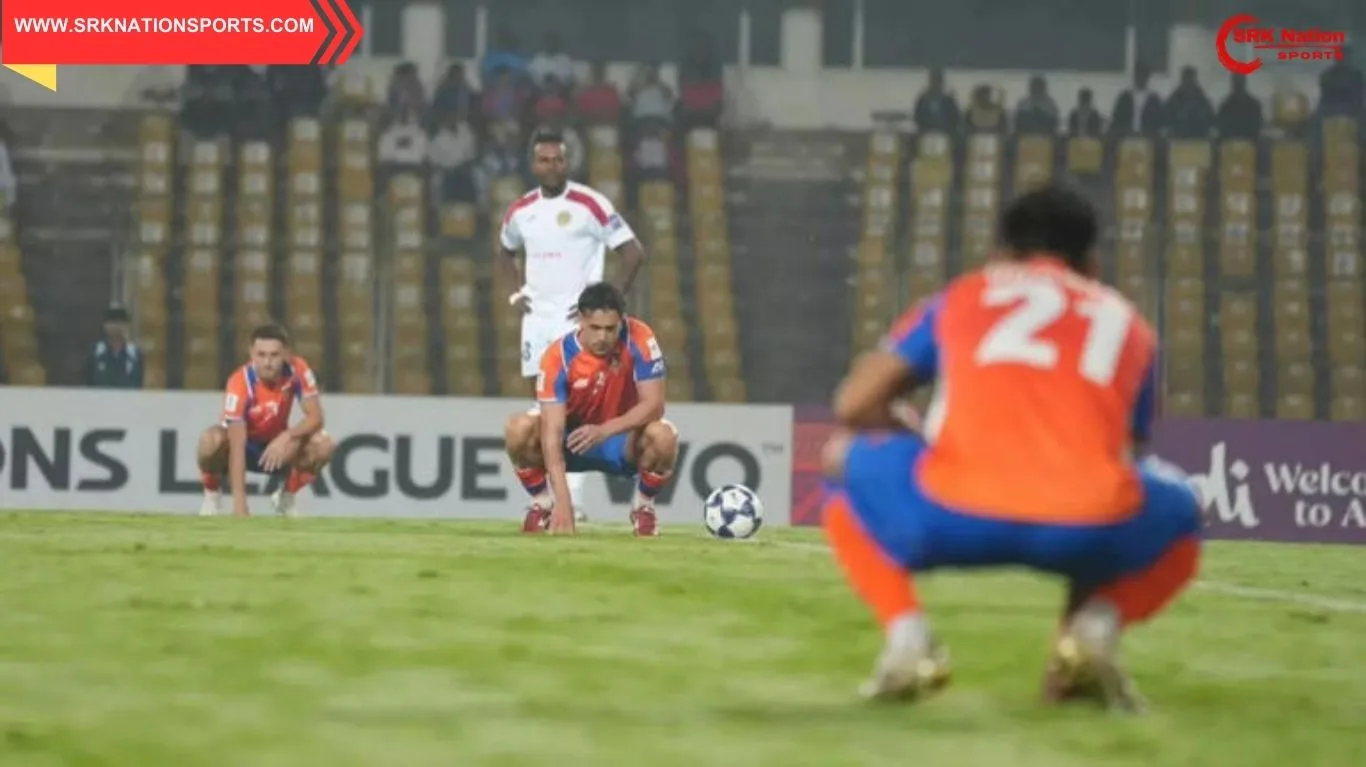
Indian football witnessed an unusual and powerful moment when FC Goa staged a silent protest during their AFC Champions League 2 clash against Istiklol. The incident has sparked widespread debate about the state of football in India, the challenges faced by clubs, and the broader implications for the sport’s growth in the country. The silent protest, carried out on one of Asia’s biggest football stages, was not just about the match itself but about sending a message to administrators, fans, and stakeholders about the pressing issues in Indian football.
Background of the Protest
- FC Goa, representing India in the AFC Champions League 2, faced Istiklol in a crucial group-stage encounter.
- During the match, players and officials engaged in a silent protest, refraining from verbal communication and symbolic gestures to highlight their grievances.
- The protest was reportedly aimed at drawing attention to issues such as inadequate support for clubs, financial struggles, and lack of proper infrastructure.
- The incident has been described as unprecedented in Indian football, showcasing the frustration of players and management.
Key Highlights of the Incident
| Indicator | Details |
|---|---|
| Match | FC Goa vs Istiklol, AFC Champions League 2 |
| Nature of Protest | Silent, symbolic gestures, limited communication |
| Reason | Highlighting systemic issues in Indian football |
| Impact | Sparked debate among fans, analysts, and administrators |
| Broader Significance | Raised questions about governance and support for clubs |
Indian Football Before vs After Silent Protest
| Factor | Before Protest | After Protest | Implication |
|---|---|---|---|
| Club Representation | Focused on performance | Highlighted systemic issues | Shift in narrative |
| Fan Awareness | Limited knowledge of struggles | Increased awareness | Greater engagement |
| Administrative Response | Slow, fragmented | Pressure to act | Possible reforms |
| Global Perception | India as emerging football nation | India as struggling with governance | Mixed reputation |
Why the Silent Protest Matters
- Symbol of Frustration: The protest reflects the growing dissatisfaction among clubs about governance and support.
- Global Stage: Conducted during an AFC Champions League match, the protest drew international attention.
- Fan Awareness: Fans became more aware of the challenges faced by Indian clubs beyond the pitch.
- Call for Reform: The incident has intensified calls for structural reforms in Indian football.
Issues Highlighted by FC Goa
| Attribute | Details |
|---|---|
| Financial Struggles | Clubs face difficulties in sustaining operations |
| Infrastructure Gaps | Lack of world-class facilities for training and matches |
| Administrative Delays | Slow decision-making by governing bodies |
| Player Welfare | Concerns about contracts, salaries, and career security |
| Global Competitiveness | Struggles to match international standards |
FC Goa’s protest was not just about one match but about the broader ecosystem of Indian football.
Expert Opinions
- Football Analysts: Describe the protest as a wake-up call for Indian football administrators.
- Former Players: Emphasize the need for better support systems for clubs and players.
- Fans: Express solidarity with FC Goa, demanding accountability from governing bodies.
- Administrators: Acknowledge the protest but stress the need for dialogue and constructive solutions.
Challenges Ahead
- Governance Reform: Addressing systemic issues in football administration.
- Financial Sustainability: Ensuring clubs have adequate resources to compete internationally.
- Infrastructure Development: Building world-class stadiums and training facilities.
- Global Competitiveness: Bridging the gap between Indian clubs and international standards.
Opportunities for Indian Football
- Policy Reforms: Introducing transparent governance structures.
- Investment Growth: Attracting sponsors and investors to support clubs.
- Fan Engagement: Leveraging protests to build stronger connections with fans.
- Global Branding: Positioning Indian clubs as resilient and reform-driven.
Broader Context of Indian Football
- Indian football has long struggled with issues of governance, funding, and infrastructure.
- The rise of the Indian Super League (ISL) brought optimism, but challenges remain.
- FC Goa’s protest reflects the frustration of clubs trying to balance ambition with systemic hurdles.
- The incident underscores the need for holistic reforms to ensure sustainable growth.
Public Sentiment
- Fans expressed solidarity with FC Goa, praising the courage to protest silently.
- Social media discussions highlighted the need for accountability in Indian football.
- Neutral observers described the protest as symbolic of deeper issues in the sport.
- Overall sentiment reflects support for reforms and empathy for clubs facing challenges.
Conclusion
The silent protest during FC Goa’s AFC Champions League 2 match against Istiklol has become a defining moment in Indian football. By choosing silence over words, FC Goa highlighted the systemic issues plaguing the sport in India. The incident has sparked debates, raised awareness, and intensified calls for reform. As Indian football seeks to establish itself globally, addressing these challenges will be crucial. The protest serves as a reminder that performance on the pitch must be matched by support off it, ensuring that clubs and players can thrive in a sustainable ecosystem.
Disclaimer
This article is intended for informational purposes only and does not constitute sports or policy advice. Football protests, administrative decisions, and fan sentiments are subject to change based on evolving circumstances. Readers are encouraged to follow official updates for accurate information. The author and publisher are not responsible for any decisions made based on this article.