



The quiet struggles of Sri Lanka’s red-ball fast bowlers have come into sharp focus following a powerful exposé titled “Hit the deck, break a neck, still no cheque”, which highlights the physical toll, financial disparity, and lack of opportunities faced by seamers like Asitha Fernando and Vishwa Fernando.
The Harsh Reality of Test Seamers in Non-Big Three Nations
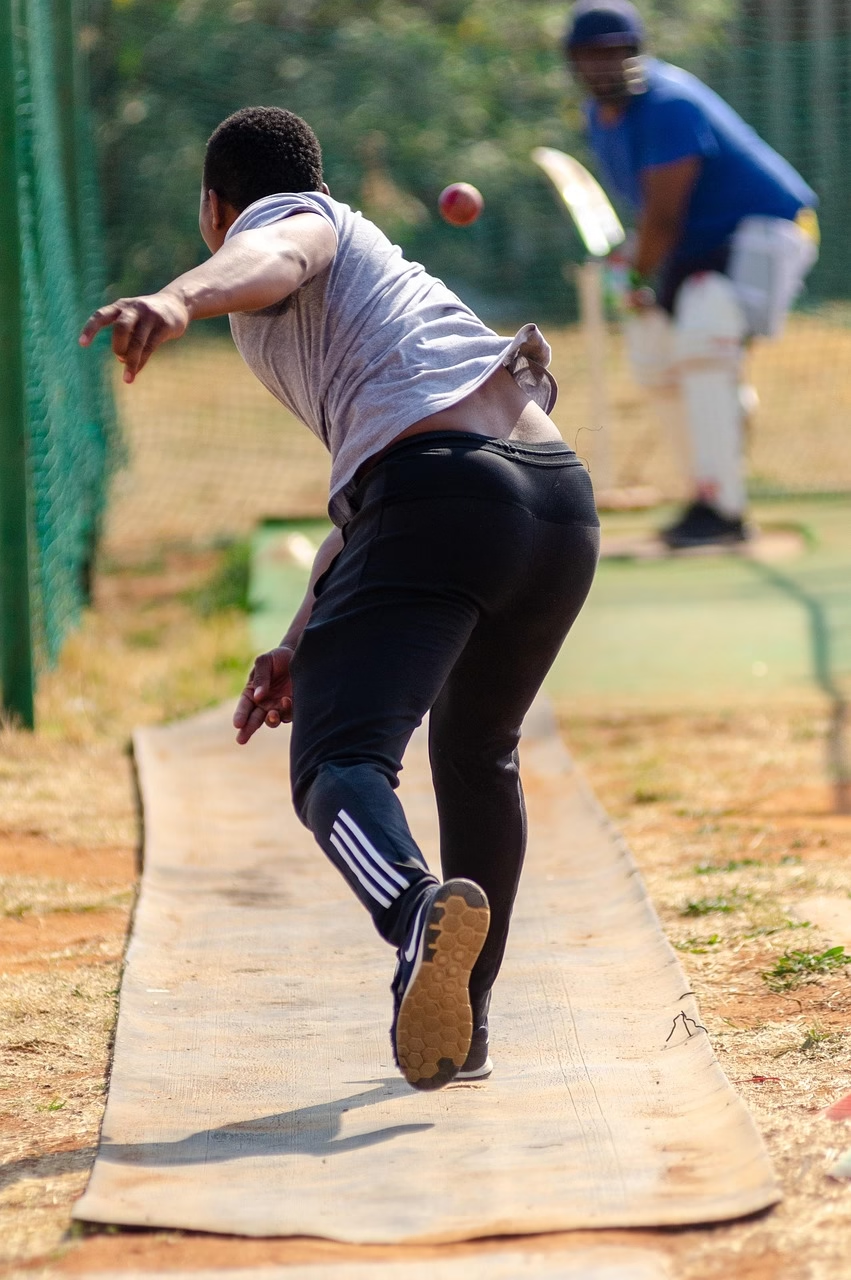
Unlike their counterparts in cricket’s wealthier nations, Sri Lanka’s Test pacers endure gruelling workloads with minimal financial reward. Fast bowling in Tests demands intense physical exertion, with every delivery stressing the spine, shoulders, hamstrings, and joints. A single injury can sideline a player for months—often without the safety net of lucrative white-ball contracts or league stints.
Take Lahiru Kumara, for instance. Despite being Sri Lanka’s top wicket-taker in a recent Test series against Bangladesh, he was ruled out of the home leg due to a hamstring injury sustained in training, missing a rare playing opportunity and facing an 11-month wait for the next Test.
The Lure of T20 Leagues and the Exodus of Talent
With T20 leagues offering higher pay for less physical strain, many young pacers are opting out of red-ball cricket altogether. Matheesha Pathirana, arguably Sri Lanka’s fastest bowler, is a prime example—nurtured by Chennai Super Kings and unlikely to feature in Tests despite his raw pace.
“Why train to bowl 20 overs a day when you can earn more bowling four?” the article asks, capturing the dilemma faced by many emerging talents.
A Call for Structural Reform
The piece underscores the need for better financial incentives, injury management, and long-term contracts to retain red-ball specialists. Without systemic support, Sri Lanka risks losing its fast-bowling depth to the glamour and security of franchise cricket.
🔁 Share this article to spotlight the unsung heroes of Test cricket and the urgent need to protect red-ball fast bowling in emerging nations.