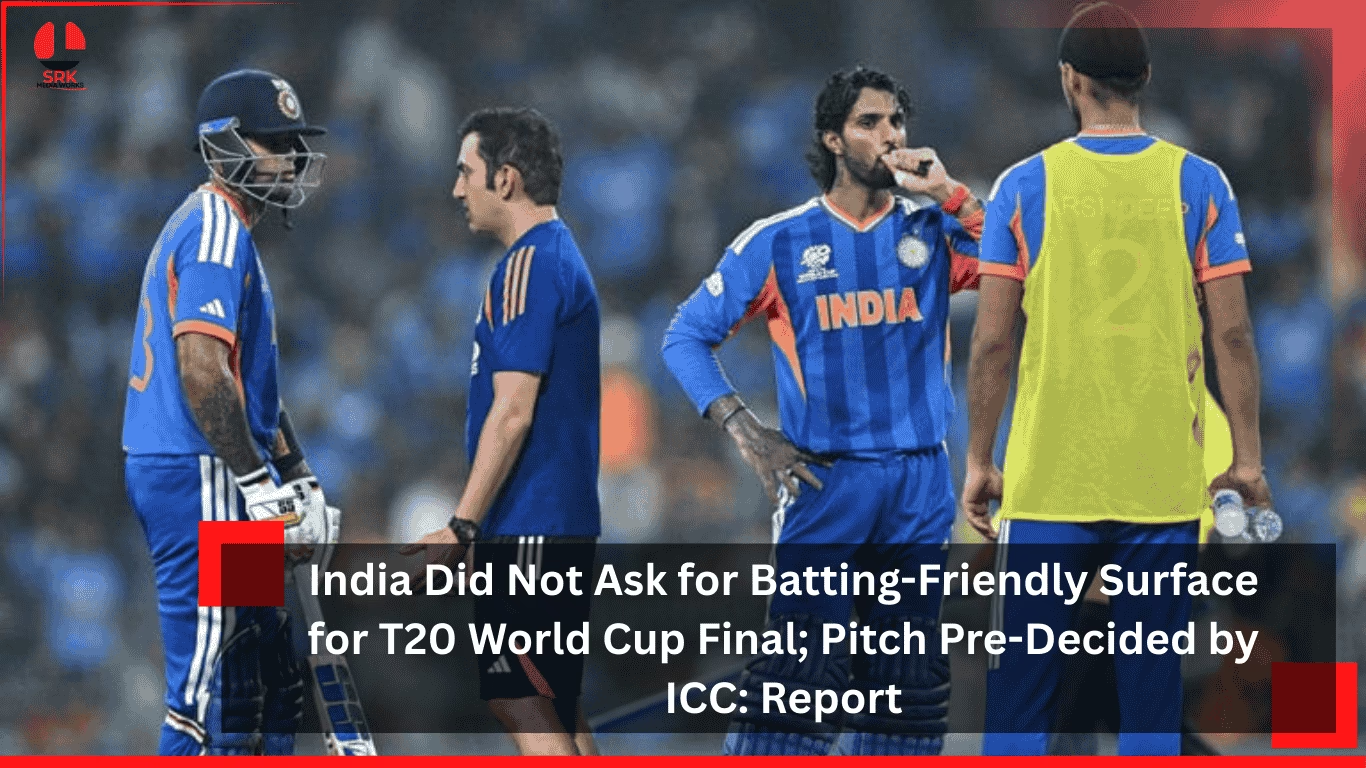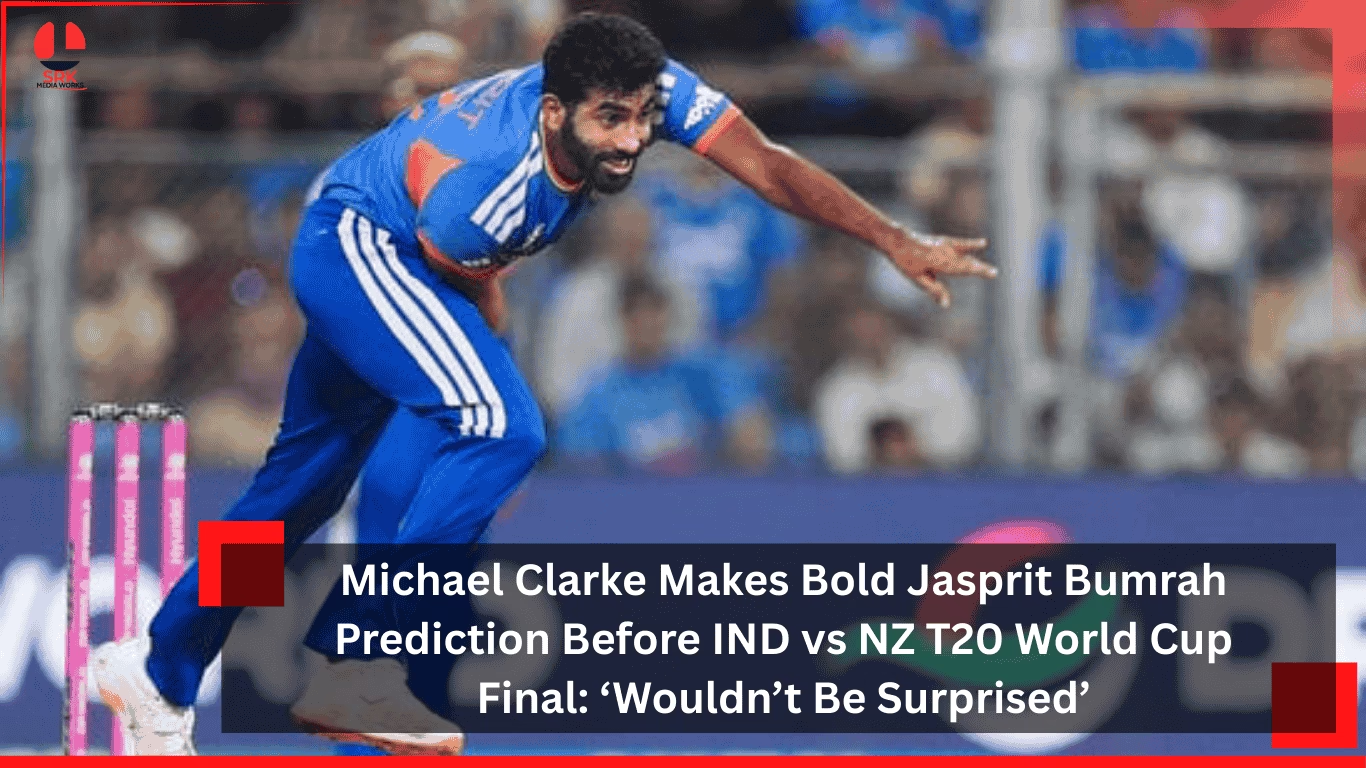




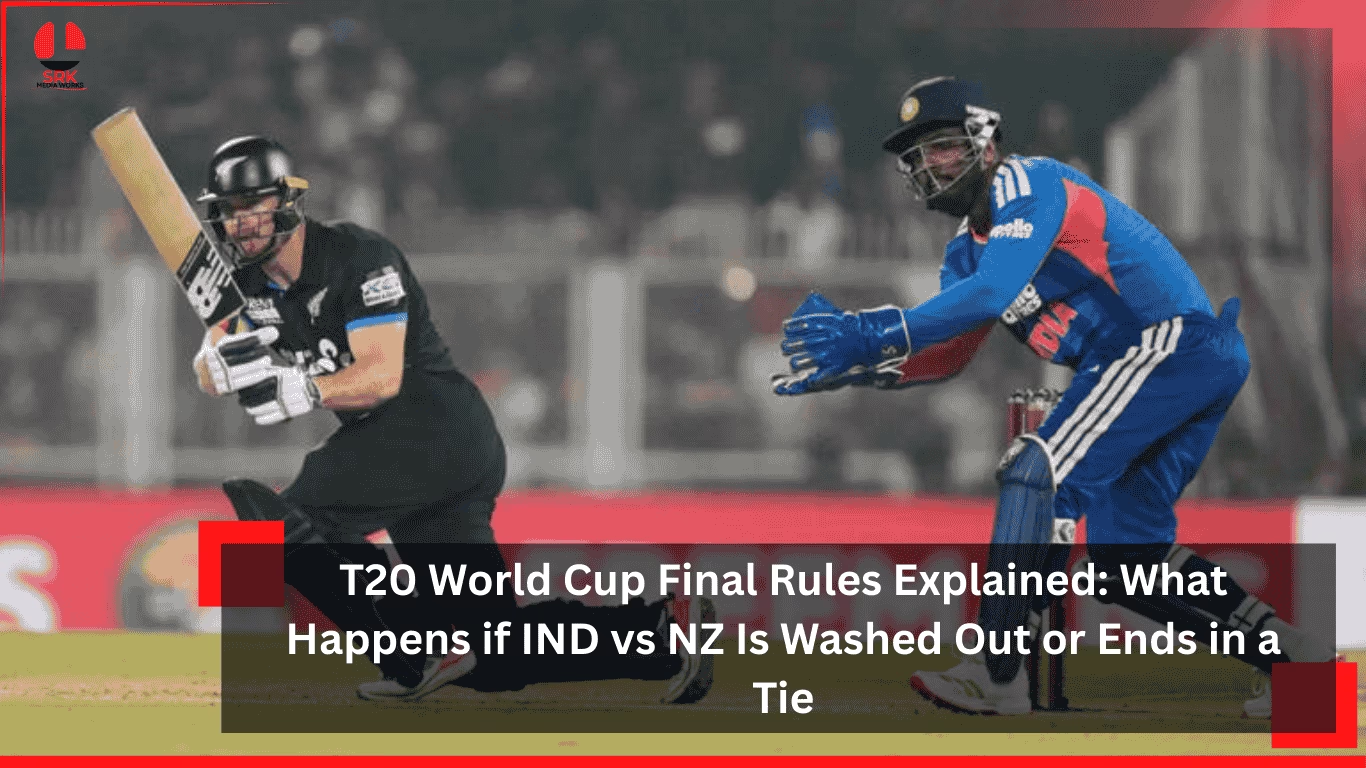
The T20 World Cup 2026 final between India and New Zealand is one of the most anticipated cricket clashes in recent history. However, with weather forecasts predicting possible rain interruptions, fans are eager to understand the official rules set by the International Cricket Council (ICC) for such scenarios. What happens if the match is washed out? What if it ends in a tie? Here’s a detailed breakdown of the regulations.
🌍 Reserve Day Rule
- Primary Match Day: The final is scheduled for March 8.
- Reserve Day: If rain or other interruptions prevent completion, the match will resume on March 9.
- Continuation, Not Restart: The game will continue from the exact point it was stopped, ensuring fairness.
🏏 Minimum Overs Requirement
- For the match to be considered valid, each team must face at least 10 overs.
- If fewer than 10 overs are bowled per side due to rain, the match will move to the reserve day.
⚔️ Tie Situations
- Super Over: If scores are level after 20 overs each, a Super Over will decide the winner.
- Multiple Super Overs: If the Super Over also ends in a tie, additional Super Overs will be played until a winner emerges.
🌧️ Complete Washout
- If the match cannot be completed even on the reserve day, India and New Zealand will be declared joint winners.
- This ensures that no team is unfairly penalized due to weather conditions.
📊 Comparative Scenarios
| Scenario | Rule Applied | Outcome |
|---|---|---|
| Rain on match day | Reserve day activated | Match resumes next day |
| Rain on reserve day | No play possible | Joint winners declared |
| Tie after 20 overs | Super Over | Winner decided |
| Tie after Super Over | Additional Super Overs | Until winner is found |
📈 Pivot Analysis: Rain vs Tie Outcomes
| Factor | Rain Washout | Tie Situation |
|---|---|---|
| Fan Reaction | Disappointment, but fair outcome | Excitement, high drama |
| ICC Rule Impact | Joint winners declared | Super Over ensures clear winner |
| Historical Precedent | Rare in finals | Common in T20 cricket |
| Long-Term Memory | Shared trophy | Iconic finish |
🔎 Broader Implications
- Fan Engagement: A tie leading to Super Overs adds drama, while a washout leaves fans unsatisfied.
- Team Morale: Sharing the trophy may feel incomplete, but it avoids unfairness.
- Global Cricket Narrative: Rules ensure transparency and fairness, maintaining the integrity of the sport.
🗣️ Expert Opinions
- Cricket Analysts: Emphasize that the reserve day rule is crucial for fairness in finals.
- Former Players: Highlight the thrill of Super Overs as a fitting way to decide champions.
- Fans: Express mixed emotions, preferring a clear winner but accepting joint champions if unavoidable.
📝 Conclusion
The ICC’s rules for the T20 World Cup final between India and New Zealand ensure that weather or tied scores do not compromise fairness. With a reserve day in place and Super Overs ready to break ties, the regulations balance excitement with equity. While fans hope for a thrilling finish, the framework guarantees that both teams are treated justly, even in unpredictable circumstances.
Disclaimer
This article is based on ICC’s official tournament rules and public commentary. It does not represent endorsement of any team or prediction of match outcomes. The content is intended for informational and educational purposes only, highlighting the regulations governing the T20 World Cup final. Readers are encouraged to follow official updates for real-time information.