





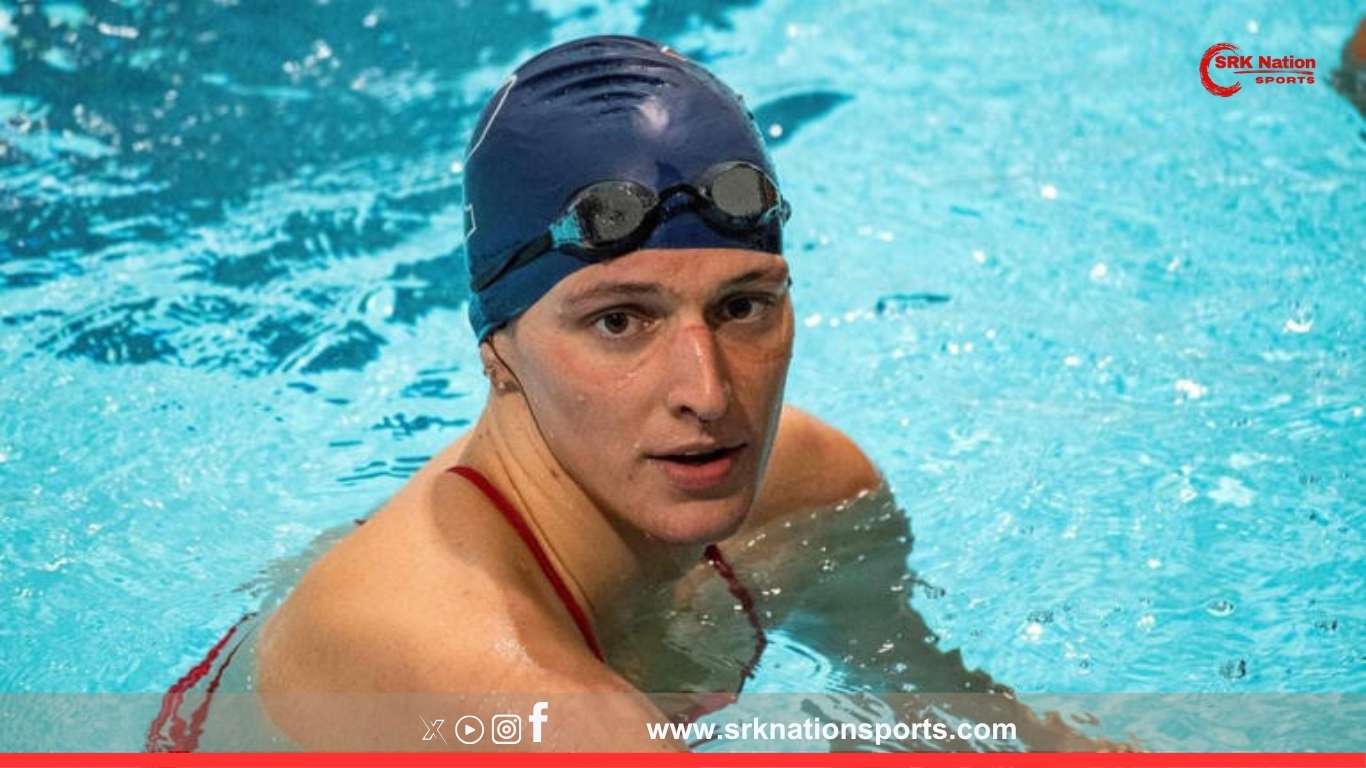
Lia Thomas, the name that has divided opinion across sports, academia, and global gender rights debates, was once an ordinary collegiate swimmer. Today, she is the face of one of the most heated controversies in women’s sports. The University of Pennsylvania swimmer made headlines for breaking records in women’s swimming after her gender transition, only to face bans, protests, and policy changes targeting transgender athletes.
Early Life And Swimming Career
Born as William Thomas in 1999 in Austin, Texas, Lia Thomas began swimming competitively as a young boy. She excelled through high school and was recruited by the University of Pennsylvania’s men’s swimming team in 2017.
| Personal Data | Details |
|---|---|
| Full Name | Lia Catherine Thomas |
| Birth Year | 1999 |
| Hometown | Austin, Texas |
| University | University of Pennsylvania |
| Sport | Swimming – Freestyle |
For her first three years in college, she competed in men’s events with moderate success, specialising in long-distance freestyle. In 2019, Thomas began her gender transition, undergoing hormone therapy as part of her gender-affirming process.
Transition And NCAA Participation
By 2021, Lia Thomas began competing in women’s swimming after completing the NCAA’s mandatory one year of testosterone suppression therapy. Her inclusion was consistent with NCAA’s existing transgender participation guidelines at the time.
However, her arrival in women’s events disrupted collegiate swimming hierarchies. Her performance spike triggered immediate controversy.
Record-Breaking Wins And Criticism
In December 2021, Thomas made history by winning the 500-yard freestyle at the 2022 NCAA Women’s Swimming Championships, becoming the first openly transgender athlete to win a Division I national championship in swimming. Her timing of 4:33.24 was among the top performances that year in collegiate swimming.
| Event | Timing | Achievement |
|---|---|---|
| 500-yard freestyle | 4:33.24 | NCAA Women’s Champion |
| 200-yard freestyle | 1:43.40 | NCAA Finalist |
| 100-yard freestyle | 47.63 | NCAA Finalist |
However, this triggered fierce backlash. Critics argued that despite hormone therapy, her physical advantages from male puberty—such as lung capacity and muscle mass—remained, creating an “unfair playing field” for cisgender women athletes.
Teammates’ Divided Reactions
While some teammates supported her right to compete in her gender category, others voiced concerns anonymously, fearing team backlash. One said:
“We fully support Lia as a trans woman, but it’s frustrating because we know how much biological advantage she has. It’s just not a fair fight.”
University Ban And Institutional Response
Amidst increasing protests from parents, athletes, and external advocacy groups, the University of Pennsylvania imposed restrictions on her competitive participation post-2022, effectively banning her from further representing their women’s team in upcoming seasons.
This decision was aligned with World Aquatics (formerly FINA) policy changes banning transgender women who experienced male puberty beyond Tanner stage 2 from participating in female categories, unless they transitioned before age 12. Lia Thomas, having transitioned post-puberty, became ineligible for elite women’s events under these new guidelines.
Lia Thomas Speaks Out
In interviews post-ban, Thomas defended her right to compete:
“Trans women are not a threat to women’s sports. I worked hard, trained, and followed all rules. It’s disheartening to see hate masked as fairness arguments.”
Impact On Global Sports Policy
The Lia Thomas case forced global sporting bodies to revisit their transgender athlete policies:
- World Aquatics banned post-puberty trans women from elite female competitions but announced an ‘open category’ in 2024.
- World Athletics banned trans women athletes who underwent male puberty from elite female track events.
- NCAA revised its trans athlete policy to align with Olympic federations.
Supporters’ Standpoint
Trans rights organisations argue:
- Hormone therapy significantly reduces physical advantages.
- Transgender inclusion promotes equality and reduces discrimination.
- Individualised eligibility assessments, not blanket bans, ensure fairness.
Critics’ Standpoint
Women athletes and some feminist organisations counter-argue:
- Testosterone suppression does not reverse structural male advantages.
- Fairness in women’s sports requires sex-based categories.
- Inclusion policies should protect women’s opportunities built through decades of gender equity battles.
Public Reactions And Polarisation
The public response to Lia Thomas remains deeply polarised:
- Supporters: Hail her as a pioneer of trans inclusion and equal rights.
- Critics: See her participation as undermining fairness in women’s sports, with some calling for entirely separate trans categories.
Future For Lia Thomas
Lia’s competitive future remains uncertain due to global bans. She has shifted focus towards advocacy for transgender athletes’ rights, continuing her graduate studies and public speaking on gender inclusion.
“I will keep fighting so that no young trans girl is forced to give up her sport or her dreams,” she said in a recent university event.
Final Takeaway
The Lia Thomas controversy underscores a complex intersection of sports science, gender rights, fairness, and inclusion. While her record-breaking wins symbolise individual achievement and trans representation, the debate they sparked continues to redefine sporting policies worldwide. Her story remains a landmark chapter in the evolving global discourse on transgender athletes’ participation and women’s sports protection.
Disclaimer: This content is for public information on ongoing global sports debates. It does not constitute legal, medical, or policy advice.