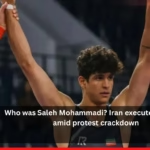


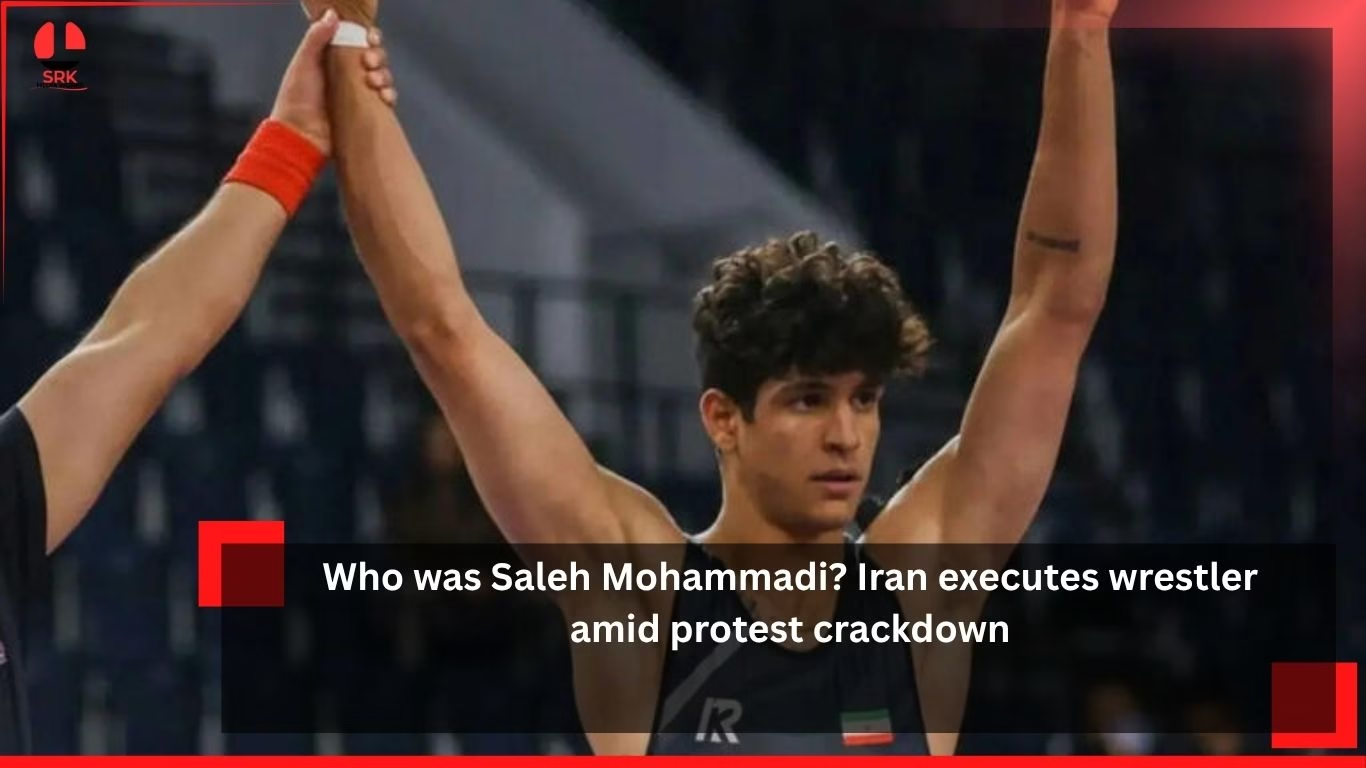
Saleh Mohammadi, a 19-year-old Iranian wrestler, was executed in March 2026 in the city of Qom as part of Iran’s intensifying crackdown on anti-government protests. His death has sparked outrage among human rights organizations and the global sports community, who argue that Mohammadi’s trial was marred by allegations of torture, coerced confessions, and lack of due process.
Background on Saleh Mohammadi
- Age: 19 years old
- Profession: Amateur wrestler, considered a promising talent in Iran’s sporting circles
- Charges: Accused of attacking police officers during January 2026 protests in Qom
- Execution: Public hanging alongside two other men, Saeed Davodi and Mehdi Ghasemi
- Controversy: Rights groups claim he was tortured and denied legal representation
The Protests Context
Iran has faced waves of unrest since early 2026, driven by economic hardship, political repression, and demands for greater freedoms. The government’s response has been severe, with mass arrests and executions aimed at deterring dissent.
- Trigger: Rising inflation, unemployment, and political grievances
- Scale: Protests spread across Qom, Tehran, and other major cities
- Government Response: Heavy policing, internet restrictions, and public executions
International Reaction
Global organizations, including Amnesty International and Human Rights Watch, condemned Mohammadi’s execution. Sports bodies also expressed concern, noting that athletes should not be targeted for political reasons.
| Organization | Reaction Summary |
|---|---|
| Amnesty International | Called execution “state-sanctioned murder” |
| Human Rights Watch | Highlighted lack of fair trial |
| Global Wrestling Union | Expressed solidarity with Mohammadi’s family |
| UN Human Rights Council | Urged Iran to halt executions linked to protests |
Pivot Analysis of the Execution
| Factor | Impact on Iran | Impact on Global Community |
|---|---|---|
| Human Rights Record | Further damaged | Increased condemnation |
| Political Stability | Short-term control | Long-term unrest risk |
| Sports Reputation | Tarnished | Global solidarity for athletes |
| Public Sentiment | Fear-driven | International outrage |
Comparative Cases of Athletes Executed in Iran
| Name | Sport | Year | Context |
|---|---|---|---|
| Navid Afkari | Wrestling | 2020 | Protest involvement |
| Saleh Mohammadi | Wrestling | 2026 | Protest crackdown |
| Mehdi Ali Hosseini | Wrestling | 2021 | Criminal charges disputed |
This pattern highlights how athletes have repeatedly been caught in Iran’s political and judicial crossfire.
Broader Implications
- For Iran: The execution underscores the government’s reliance on fear tactics to suppress dissent.
- For Athletes: Raises concerns about the vulnerability of sports figures in politically charged environments.
- For Global Sports: Sparks debate about whether international federations should sanction Iran.
- For Citizens: Intensifies fear but also fuels anger among those demanding change.
Conclusion
Saleh Mohammadi’s execution is not just the loss of a young athlete but a symbol of Iran’s escalating repression. His case reflects the intersection of politics, human rights, and sports, drawing global attention to the plight of protesters and athletes in authoritarian regimes. As outrage grows, Mohammadi’s name joins a tragic list of athletes executed amid political turmoil, raising urgent questions about justice and accountability in Iran.
Disclaimer: This article is for informational purposes only and reflects public reports and analysis. It should not be considered an official statement from Iranian authorities or global organizations. Readers are advised to follow verified human rights updates for accurate information.