





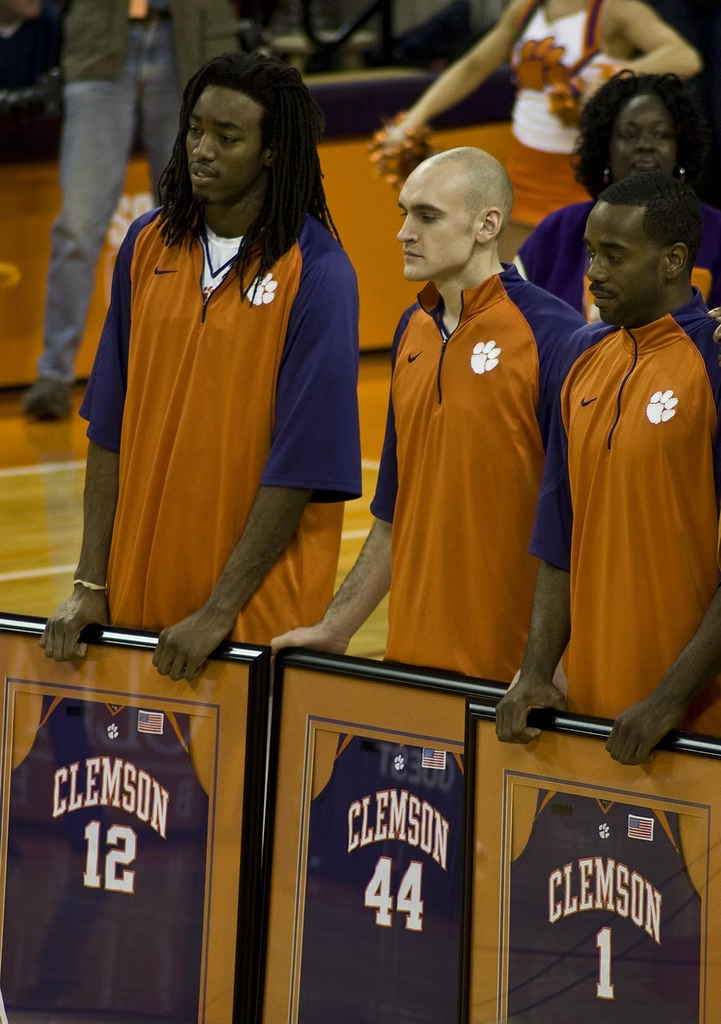
The landscape of United States collegiate athletics underwent a seismic shift this year as the NCAA implemented expansive Name, Image, and Likeness (NIL) policies, effectively ending the traditional era of amateurism. By allowing student-athletes to monetize their personal brands and participate in revenue-sharing models, major universities have transitioned into de facto professional sports franchises, fundamentally altering the relationship between educational institutions and their star players.
The Evolution of Amateurism
For decades, the NCAA maintained a strict amateur model that prohibited athletes from receiving compensation beyond scholarships and cost-of-attendance stipends. This structure was rooted in the 1906 formation of the organization, designed to preserve the distinction between academic pursuit and commercialized sport.
However, legal challenges such as Alston v. NCAA pushed the Supreme Court to scrutinize these restrictions, ultimately leading to a unanimous ruling that challenged the association’s antitrust exemptions. This legal pressure, combined with state-level legislative action, forced the NCAA to modernize its bylaws to survive in a competitive marketplace.
The Economics of Modern Campus Sports
The current collegiate sports economy now mirrors professional leagues, with high-profile football and basketball programs generating billions in television revenue annually. According to data from the Knight-Newhouse College Athletics Database, the top-tier Power Five conferences reported collective revenues exceeding $3 billion in recent fiscal cycles.
This financial scale has necessitated the creation of