
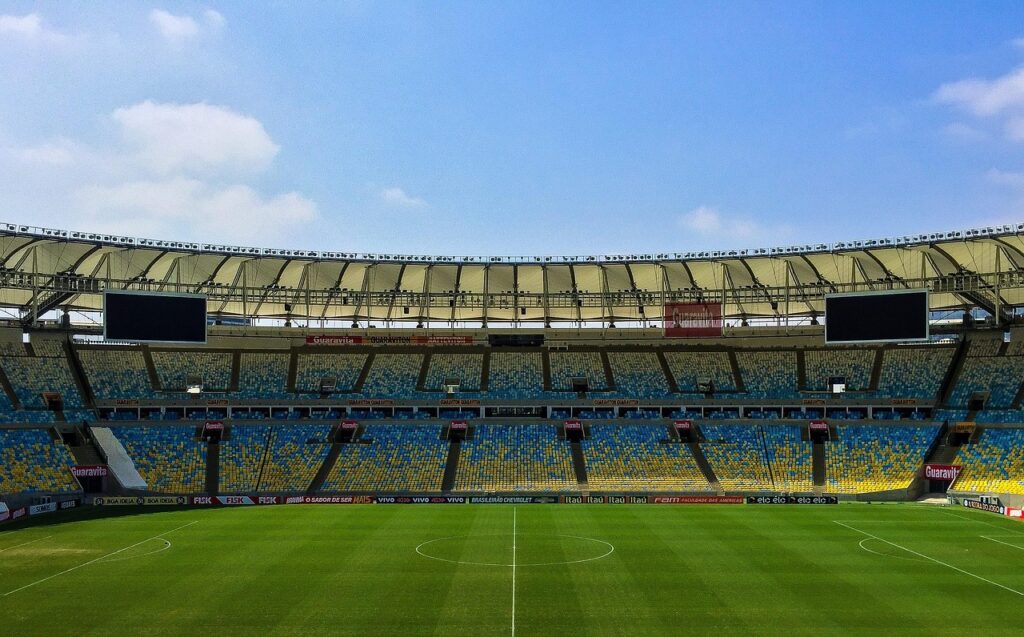

The 2026 FIFA World Cup enters its most critical phase on Tuesday, June 30, as the Round of 32 kicks off with a triple-header of high-stakes knockout football across North America. Defending giants France face Sweden in New York, Norway battles the Ivory Coast in Dallas, and host nation Mexico takes on a formidable Ecuador side in the evening’s marquee matchup at Mexico City Stadium. With the tournament’s new expanded format leaving no room for error, these three matches will determine which global powers advance toward the Round of 16 and which will see their championship dreams end prematurely.
The Road to the Knockout Stage
This tournament marks a historic shift in the FIFA World Cup structure, moving from a 32-team field to a massive 48-team roster. This expansion introduced the Round of 32, a single-elimination bracket that has significantly increased the pressure on traditional powerhouses during the group stages. Teams like France and Mexico have navigated their initial groups with clinical precision, but the introduction of a fourth knockout round adds a layer of physical and mental exhaustion that players are only beginning to navigate.
In previous iterations, the top two teams from each group moved directly to the Round of 16. Now, the margin for recovery is slimmer, and the density of the schedule means that depth and squad rotation have become as important as individual brilliance. As the world turns its attention to the stadiums in New Jersey, Texas, and Mexico City, the narrative shifts from accumulation of points to the finality of the whistle.
France Looks to Extend Dominance in New Jersey
In the afternoon kickoff at New York New Jersey Stadium, Kylian Mbappé’s unbeaten French squad enters as the heavy favorite against a resilient Swedish defense. While Mbappé remains the focal point of global media attention, Ousmane Dembélé has emerged as the tournament’s statistical standout. The reigning Ballon d’Or winner silenced critics by following up his first World Cup goal against Iraq with a stunning hat trick in France’s group stage finale against Norway.
Tactical analysts suggest that Sweden’s primary challenge will be containing the sheer speed of the French wings. Dembélé’s recent form indicates he is playing with a level of confidence rarely seen on the international stage. If Sweden utilizes a low block to frustrate Mbappé, it often leaves the opposite flank exposed for Dembélé to exploit. Given Sweden’s recent struggles with defensive transitions, French supporters expect a high-scoring affair that could cement Les Bleus as the team to beat in 2026.
Norway’s Tactical Engine: Beyond Erling Haaland
In Dallas, the spotlight naturally falls on Erling Haaland as Norway prepares to face the Ivory Coast. Haaland’s reputation as the world’s most lethal finisher is well-documented, but Norway’s success on Tuesday may hinge on the creative output of RB Leipzig winger Antonio Nusa. Nusa has become the primary architect for Haaland’s opportunities, using his pace on the left side to stretch opposing backlines.
The Ivory Coast presents a physical challenge that will test Norway’s midfield trio of Martin Ødegaard and Sander Berge. For Haaland to be effective, he requires service that bypasses the Ivorian defensive anchors. Nusa’s ability to deliver accurate crosses while under pressure is the variable that many experts believe will decide the match. If the Ivory Coast can isolate Nusa, they may be able to starve Haaland of the service he needs to dominate the penalty area.
Mexico’s Home Turf Advantage and the Quiñones Factor
The day concludes with what is expected to be the most atmospheric match of the Round of 32: Mexico versus Ecuador. Playing in front of a partisan crowd at Mexico City Stadium, El Tri enters the match with a perfect record through three group games. The central figure in Mexico’s resurgence is Colombian-born attacker Julián Quiñones, who became a naturalized citizen in 2023. Quiñones has quickly become the heartbeat of the Mexican offense, earning Man of the Match honors in the opening game against South Africa.
Ecuador, however, brings a disciplined defensive unit that has been among the best in the South American qualifiers. They will be tasked with neutralizing Quiñones, who arrives at the World Cup following a historic season in the Saudi Pro League, where he scored 33 goals for Al Qadsiah FC. The matchup pits Mexico’s high-press attacking style against Ecuador’s counter-attacking efficiency, a tactical battle that will likely be decided by a single moment of individual brilliance.
Broadcasting and Global Accessibility
For fans following the action across the globe, the broadcasting landscape for the 2026 World Cup has been streamlined for maximum reach. In the United States, all matches are being aired on FOX and FS1, with live streaming available through the FOX One platform. This digital-first approach has allowed for record-breaking viewership numbers during the group stages, particularly for matches involving the three host nations: the USA, Canada, and Mexico.
The technical data from the group stages shows a 15% increase in streaming engagement compared to the 2022 tournament in Qatar. As the tournament moves into the evening prime-time slots for North American viewers, these numbers are expected to surge, particularly for the Mexico-Ecuador clash which anchors the Tuesday schedule.
Strategic Implications for the Bracket
The results of Tuesday’s matches will have immediate ripple effects on the championship bracket. A victory for Mexico would keep the host nation’s momentum alive, fueling national fervor and ensuring high ticket demand for the subsequent rounds. Conversely, an upset by Sweden or the Ivory Coast would remove some of the tournament’s biggest stars—Mbappé or Haaland—from the competition, potentially opening the path for a dark horse candidate to reach the semi-finals.
As the Round of 32 progresses, the primary concern for coaching staffs will be player recovery and yellow card accumulation. With the intensity of knockout football, the teams that manage to secure victories within the regulation 90 minutes will hold a significant physical advantage heading into the Round of 16. Observers should watch for how managers like France’s Didier Deschamps utilize their benches if they secure an early lead, as preserving energy will be the key to surviving the longest World Cup in history.