
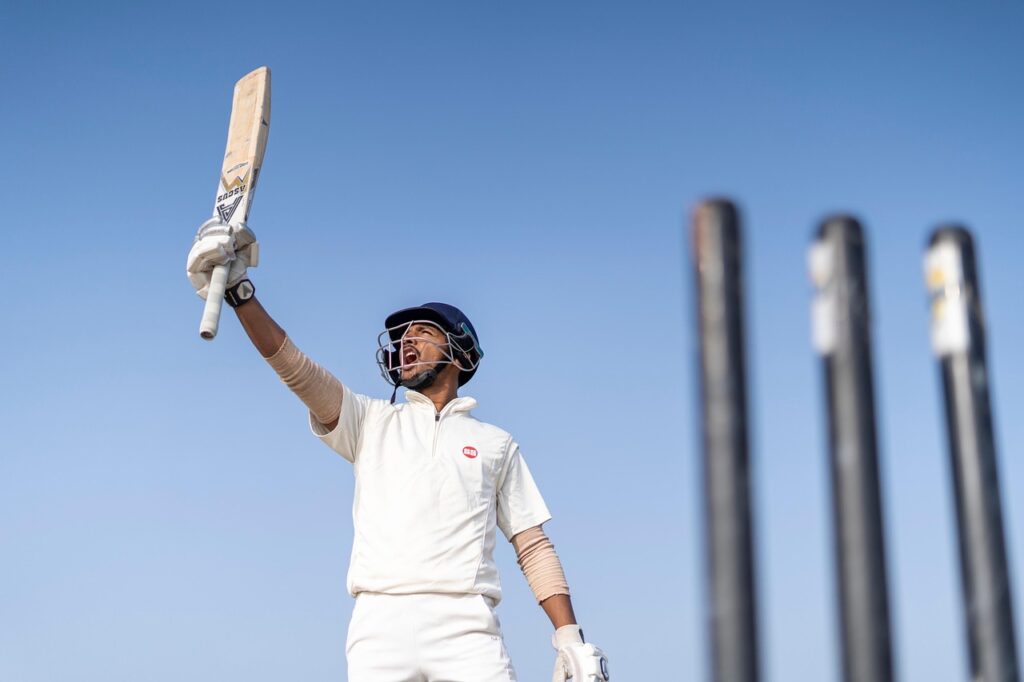

Rajat Patidar has been officially entrusted with the captaincy of the Central Zone squad for the upcoming 2026-27 Duleep Trophy campaign. The announcement, confirmed by the zonal selection committee, marks a significant step in the team’s preparation as they seek to defend their prestigious title. Joining him in the leadership group is the prolific left-handed batter Rinku Singh, who has been named the team’s vice-captain.
A New Era of Leadership for Central Zone
The selection of Patidar as captain reflects the committee’s confidence in his tactical acumen and his standing within the domestic circuit. According to official reports, the decision was finalized after a series of meetings aimed at identifying a leader capable of maintaining the high standards set during the previous season. Patidar, who has been a consistent performer for Madhya Pradesh and the national side, brings a wealth of experience in the red-ball format.
Rinku Singh’s appointment as deputy serves as a testament to his rapid ascent in Indian cricket. While widely recognized for his finishing abilities in shorter formats, Singh has maintained an impressive record in first-class cricket. His elevation to the vice-captaincy is seen as a move to groom him for future leadership roles while providing Patidar with a dynamic partner on the field.
Historical Context and Defensive Ambitions
The Duleep Trophy remains one of the most significant fixtures in the Indian domestic calendar, serving as a vital platform for players aiming for national selection. Central Zone enters the 2026-27 season with the pressure of being the defending champions. Historical data shows that Central Zone has long been a powerhouse in this competition, frequently producing players who go on to represent India at the highest level.
Patidar and Singh are no strangers to the demands of high-stakes cricket. Patidar’s journey through the Ranji Trophy and his subsequent breakthrough into the Test arena have prepared him for the rigors of leading a zonal side. The upcoming season will test his ability to manage a diverse group of players gathered from various states within the Central Zone jurisdiction.
Latest Developments and Squad Dynamics
The selection committee has reportedly focused on creating a balanced squad that blends youthful energy with veteran stability. While the full roster is being finalized, the core of the team is expected to feature several standout performers from the recent Ranji Trophy season. According to sources close to the selection process, the emphasis has been placed on multi-dimensional players who can adapt to varying pitch conditions across the country.
The inclusion of Patidar and Singh at the helm suggests a shift toward a more aggressive and proactive style of play. Both players are known for their ability to take the game away from the opposition, a trait that the Central Zone management hopes will permeate through the rest of the lineup. Official data suggests that the team’s success in the previous edition was built on a foundation of solid middle-order batting and disciplined pace bowling.
Impact on the Domestic Cricket Ecosystem
This leadership announcement has significant implications for the domestic cricket landscape. By appointing active international players to lead zonal teams, the Board of Control for Cricket in India (BCCI) continues to emphasize the importance of the Duleep Trophy as a premier first-class competition. This move ensures that the quality of cricket remains high, providing a stern test for aspiring youngsters who find themselves facing seasoned professionals.
For the players involved, the tournament serves as a critical audition. Success in the Duleep Trophy often leads directly to a spot in the India A squad or the senior national team. For Rajat Patidar, this captaincy stint is an opportunity to demonstrate his ability to lead under pressure, potentially opening doors for future leadership considerations at higher levels of the game.
Economic and Industrial Significance
The revitalization of the Duleep Trophy format in recent years has also seen an uptick in commercial interest. Broadcasters and sponsors are increasingly looking toward domestic tournaments to engage with the vast Indian cricket audience during the off-season of international tours. The presence of high-profile names like Patidar and Rinku Singh is expected to drive viewership and attendance figures for the 2026-27 season.
Furthermore, the development of regional talent through these zonal competitions strengthens the overall health of the sport in India. It ensures a steady pipeline of talent, which in turn maintains the commercial viability of the sport at all levels. The investment in domestic infrastructure and player welfare continues to pay dividends, as seen in the high standard of competition expected this year.
What to Watch Next
As the tournament start date approaches, cricket analysts will be closely monitoring the announcement of the full squads for all zones. The tactical matchups between Patidar’s Central Zone and their traditional rivals will be a primary focus of the early rounds. Observers will also be looking for any tactical innovations Patidar introduces in his first stint as the zonal captain.
The performance of Rinku Singh in a leadership capacity will also be under the microscope. Fans and selectors alike are eager to see if the added responsibility affects his batting output or if it enhances his overall contribution to the team. With the 2026-27 domestic season promising to be one of the most competitive in recent memory, the leadership of Patidar and Singh will be pivotal to Central Zone’s hopes of a successful title defense.
Disclaimer: This article is published for general news and informational purposes only. While every effort has been made to ensure accuracy, readers are advised to verify important information from official sources. The publisher shall not be responsible for any loss or inconvenience arising from reliance on the information published.