
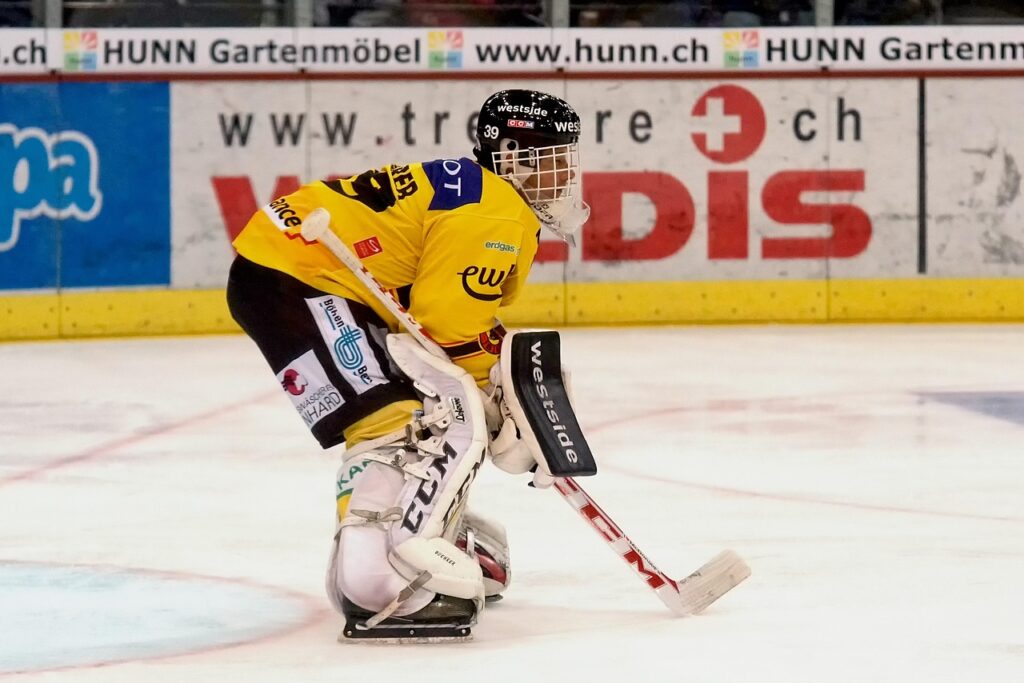

Indian hockey veteran PR Sreejesh has called for a shift in national priorities, urging fans and officials to focus on ending the country’s long-standing World Cup medal drought. The legendary goalkeeper addressed the recent discussions surrounding the change in the national team’s jersey color, suggesting that the aesthetics of the kit are secondary to performance on the global stage.
The debate emerged following decisions to move away from the traditional sky-blue kit in certain contexts. Official reasons cited improved visibility for players and broadcasters against the now-standard blue artificial turfs used in international competitions.
The Visibility Debate
Sreejesh expressed a neutral stance on the color change itself but questioned the technical justification provided by some officials. According to reports, the goalkeeper found it difficult to accept the argument that blue jerseys negatively impact visibility on blue pitches.
He noted that professional athletes are trained to distinguish teammates and opponents through various visual cues, regardless of the turf color. Sreejesh emphasized that while he has no personal objection to new colors, the focus should remain on the game’s technical execution rather than the equipment’s palette.
Official sources indicate that the move toward orange or alternative shades was intended to create a sharper contrast for high-definition television broadcasts. This trend is not unique to India, as several international teams have adjusted their kits to suit the aesthetic demands of modern sports media.
Addressing the Medal Drought
The core of Sreejesh’s message centered on India’s historical performance in the FIH Hockey World Cup. Despite being a powerhouse in the sport, India has not secured a podium finish in the prestigious tournament since their gold medal victory in 1975.
For nearly five decades, the national team has struggled to replicate its mid-20th-century dominance in the World Cup format. Sreejesh highlighted that the primary objective for the squad and the governing bodies should be breaking this cycle of disappointment.
According to official data, India’s recent performances in the Olympics have shown significant improvement, including a bronze medal in Tokyo. However, this success has yet to translate into a World Cup trophy, a discrepancy that Sreejesh believes requires urgent attention and strategic planning.
Impact on the Sport and Industry
The jersey controversy has sparked wider conversations within the sports marketing and manufacturing industries. The transition from the iconic “Men in Blue” identity carries significant branding implications for sponsors and merchandise retailers.
Industry analysts suggest that any permanent change to the national kit could affect fan engagement and the commercial value of the team’s brand. However, Sreejesh’s comments suggest that a winning team is the most effective way to maintain and grow the sport’s commercial and cultural footprint.
For the players, the focus remains on the rigorous training schedules required to compete with top-tier nations like Belgium, Australia, and the Netherlands. The psychological impact of the jersey color is considered minimal compared to the tactical and physical preparations necessary for elite competition.
Technical Evolution of Hockey Surfaces
The evolution of hockey surfaces from natural grass to green synthetic turf, and finally to the current blue “Poligras” surfaces, has fundamentally changed the sport. These blue pitches were introduced to provide a better viewing experience for spectators and more consistent ball behavior.
The International Hockey Federation (FIH) standardized blue pitches for major events starting with the London 2012 Olympics. Since then, kit manufacturers have experimented with various colors to ensure that players stand out against the vibrant background.
While technical committees often review these aspects, Sreejesh’s perspective highlights a potential disconnect between administrative logic and the lived experience of the players on the field. His skepticism regarding the visibility issue suggests that players may prioritize tradition and identity over minor broadcast optimizations.
What to Watch Next
The Indian national team is currently preparing for a series of international fixtures and Pro League matches. These games serve as critical stepping stones toward the next World Cup cycle, where the pressure to perform will be at an all-time high.
Observers will be looking to see if Hockey India takes Sreejesh’s advice to heart by streamlining focus toward high-performance coaching and youth development. The resolution of the kit debate will likely depend on feedback from a broader range of players and stakeholders.
As the team moves forward, the primary metric of success will remain their standing in the international rankings and their ability to secure silverware. Sreejesh’s call to action serves as a reminder that in the world of professional sports, results ultimately define a team’s legacy more than the clothes they wear.
Disclaimer: This article is published for general news and informational purposes only. While every effort has been made to ensure accuracy, readers are advised to verify important information from official sources. The publisher shall not be responsible for any loss or inconvenience arising from reliance on the information published.