



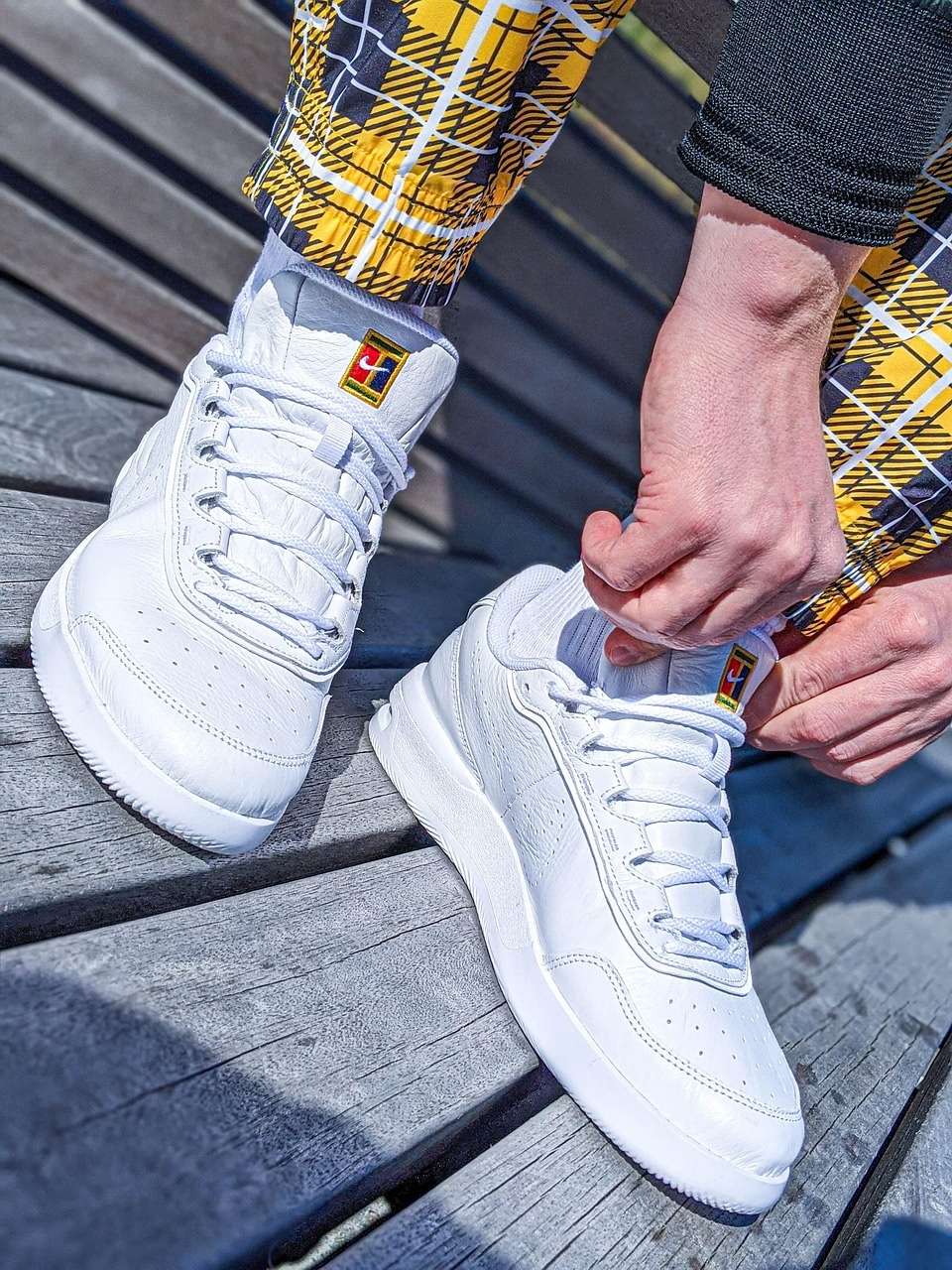
The Intersection of Sport and Sophistication
As the professional tennis calendar shifts toward its most prestigious Grand Slam tournaments in Paris, London, and New York, spectators and fashion enthusiasts alike are recalibrating their wardrobes to meet the distinct aesthetic demands of each iconic venue. This seasonal transition requires a careful balance of climate-appropriate utility and the specific sartorial codes that have defined the sport’s most historic stages for over a century.
Tennis has long served as a runway for high-end fashion, transcending its origins as a mere athletic pursuit to become a global display of luxury lifestyle. With the French Open, Wimbledon, and the US Open requiring vastly different approaches to attire, attendees are increasingly turning to a blend of performance fabrics and heritage tailoring to navigate the summer circuit.
The Codes of the Court
The sartorial requirements of the Grand Slam circuit are rooted in tradition but influenced by modern shifts in luxury sportswear. At Roland-Garros in Paris, the red clay environment demands a sophisticated, breathable palette, often favoring linens and earth-toned separates that withstand the humid European spring. In contrast, Wimbledon maintains the world’s strictest dress code, where guests in the Royal Box and premium hospitality suites are expected to adhere to a smart-casual or formal standard that reflects the tournament’s historic prestige.
The US Open in New York represents the most relaxed end of the spectrum, favoring a high-fashion, streetwear-influenced aesthetic. Here, the heat of late August necessitates lightweight, moisture-wicking materials disguised as tailored silhouettes. Industry analysts note that luxury brands are increasingly launching capsule collections specifically timed for these events, bridging the gap between stadium utility and urban elegance.
Expert Perspectives on Seasonal Trends
Fashion historians point to the rise of ‘tenniscore’ as a major driver in current consumer purchasing behavior. According to recent market reports from the Global Sports Apparel Index, demand for pleated skirts, knit polos, and structured blazers has surged by 22% ahead of the summer tournament season. Experts suggest that this trend is not merely about athletic wear, but about capturing the aspirational ‘country club’ aesthetic that remains a hallmark of tennis culture.
Retail analysts emphasize that the modern spectator prioritizes versatility. ‘The objective for the modern attendee is to look polished enough for a hospitality lounge while remaining comfortable enough for four hours in the sun,’ says fashion consultant Elena Vance. This shift has led to an uptick in the popularity of technical fabrics that feature the texture and drape of traditional cotton or wool, allowing for greater comfort without sacrificing a refined appearance.
Navigating the Future of Courtside Attire
The implications of these fashion trends extend beyond the spectator stands. As tournaments continue to integrate luxury experiences into their fan engagement strategies, the expectation for high-quality, event-appropriate attire is likely to rise. Brands that fail to innovate within the technical-luxury space may find themselves losing market share to agile competitors who prioritize both form and function.
Looking ahead, observers should watch for an increased integration of wearable technology and sustainable materials within the tennis fashion space. As environmental consciousness grows, the industry is pivoting toward recycled fibers that maintain high performance in extreme temperatures. The coming seasons will likely see a fusion of classic heritage silhouettes with futuristic, eco-conscious textile engineering, setting a new standard for how the world’s most elite sporting events are experienced from the sidelines.