
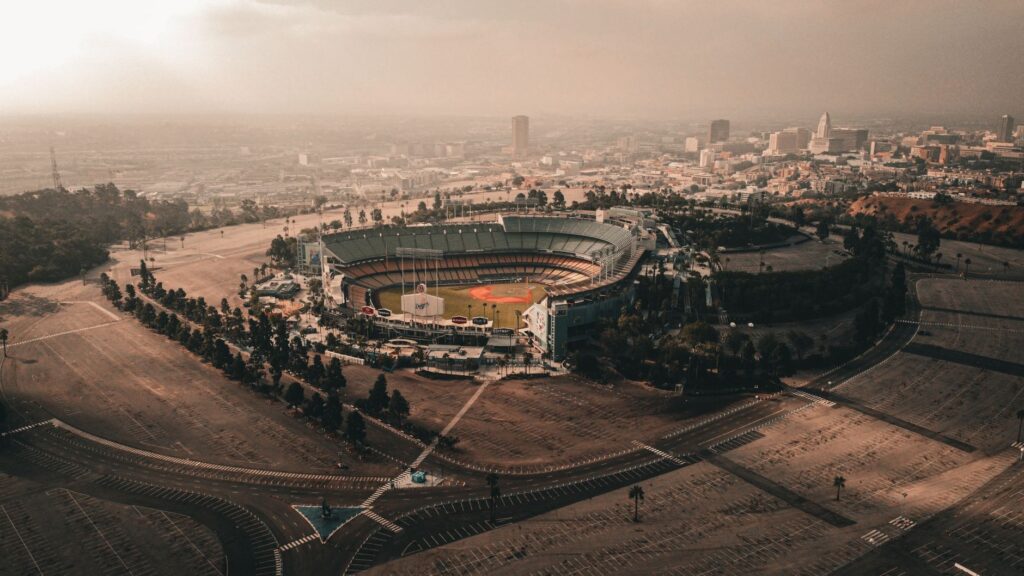

The 2026 Major League Baseball trade deadline concluded with a flurry of high-stakes transactions that have fundamentally altered the competitive balance for the remainder of the season. Front offices across the league finalized deals in a frantic 24-hour window, punctuated by blockbuster acquisitions that saw perennial stars and Cy Young winners change uniforms. While some franchises aggressively pushed their chips into the center of the table, others opted for long-term restructuring or remained curiously quiet during one of the most active windows in recent memory.
The Dodgers and Red Sox Secure the Deadline’s Biggest Prizes
The Los Angeles Dodgers emerged as the consensus victors of the period by securing the most coveted arm on the market, Tarik Skubal. The back-to-back Cy Young Award winner joins a rotation that already ranks among the league’s elite, further solidifying Los Angeles as the team to beat in the National League. According to team reports, the Dodgers managed this acquisition without surrendering significant big-league talent or depleting their top-tier farm system.
In addition to Skubal, the Dodgers added depth by acquiring injured Royals starter Kris Bubic and bolstering their catching corps. These low-risk, high-reward moves provide insurance for a roster currently navigating injuries to key players like Will Smith and Dalton Rushing. By landing the deadline’s premier talent early, the Dodgers set a high bar for their rivals.
The Boston Red Sox also made a historic splash by acquiring star catcher Adley Rutschman from the Baltimore Orioles. Despite a recent wrist injury, Rutschman is viewed as a foundational piece for Boston’s resurgence. To secure him, Chief Baseball Officer Craig Breslow authorized a massive haul of prospects, signaling a definitive shift from rebuilding to championship contention in Beantown.
Pitching Overhauls in Chicago and Pittsburgh
The Chicago Cubs and Pittsburgh Pirates took aggressive steps to address their respective pitching deficiencies. The Cubs completely overhauled their rotation by acquiring Kevin Gausman and Clay Holmes, two of the most effective starters available. Official data shows the Cubs paid a premium price for these arms, as well as for high-upside reliever Ryan Zeferjahn, to support an already exceptional defense.
The Pirates focused their efforts on a total reconstruction of their bullpen. By adding Luke Weaver, Camilo Doval, and Kirby Yates, Pittsburgh transformed a primary weakness into a potential late-inning strength. These moves suggest the Pirates are committed to protecting leads as they fight for a postseason berth in a crowded National League field.
The Strategic Shift in Baltimore and Anaheim
In a move that stunned many observers, the Baltimore Orioles opted to trade Adley Rutschman to a division rival. Despite winning 101 games in 2023 and sitting within striking distance of a wild-card spot, the Orioles’ front office chose to prioritize a massive influx of prospects over immediate success. This decision marks a significant turning point, as the team also moved Taylor Ward, Tyler Wells, and Dean Kremer in a clear pivot toward the future.
The Los Angeles Angels also embraced a new reality under interim General Manager John Mozeliak. The franchise successfully restocked its farm system by adding nine prospects, including top-100 talent Arjun Nimmala. By trading away established big leaguers who were unlikely to be part of the next contending roster, the Angels have finally initiated a long-awaited organizational reset.
Missed Opportunities and Standstill Divisions
Not every contending team found success during the deadline window. The Atlanta Braves failed to secure a high-impact co-ace to pair with Chris Sale, instead settling for rotation depth in Tyler Mahle. While Mahle and outfielder Lane Thomas provide incremental improvements, analysts suggest the Braves may regret missing out on a true difference-maker for the October rotation.
The AL West remained largely static, with the Mariners, Astros, and Rangers failing to make significant upgrades. While Seattle added Taylor Ward, Houston’s acquisition of Daulton Varsho came at the cost of starter Spencer Arrighetti, a move that did little to solve their rotation concerns. The Texas Rangers remained almost entirely inactive, leaving many to wonder if they have enough depth to survive the second-half grind.
Economic and Competitive Impact
The aggressive spending by large-market teams like the Dodgers and Red Sox highlights the widening gap between championship-or-bust contenders and those focused on long-term sustainability. This deadline saw a significant movement of prospect capital, which will likely affect minor league rankings and future team valuations for years to come. For fans, these moves create immediate excitement and drive ticket sales in markets where playoff hopes have been revitalized.
Industry experts note that the high price of pitching this year reflects a league-wide shortage of durable, high-strikeout starters. Teams that successfully navigated this market, like the San Diego Padres who landed Casey Mize and Robbie Ray, have positioned themselves to capitalize on the volatility of the modern postseason format.
What to Watch Next
The immediate focus shifts to the health of key acquisitions. All eyes will be on Boston to see when Adley Rutschman returns from the injured list and how quickly he integrates into the Red Sox clubhouse. Similarly, the Dodgers will look to integrate Tarik Skubal into a rotation that is now expected to carry them through a deep October run.
In the coming weeks, the performance of the Orioles’ newly acquired prospects will be scrutinized to see if the franchise’s gamble on the future justifies the loss of their primary star. As the calendar turns to August, the impact of these trades will be measured by the standings, as the race for the division titles and wild-card spots enters its final, most intense phase.
Disclaimer: This article is published for general news and informational purposes only. While every effort has been made to ensure accuracy, readers are advised to verify important information from official sources. The publisher shall not be responsible for any loss or inconvenience arising from reliance on the information published.