
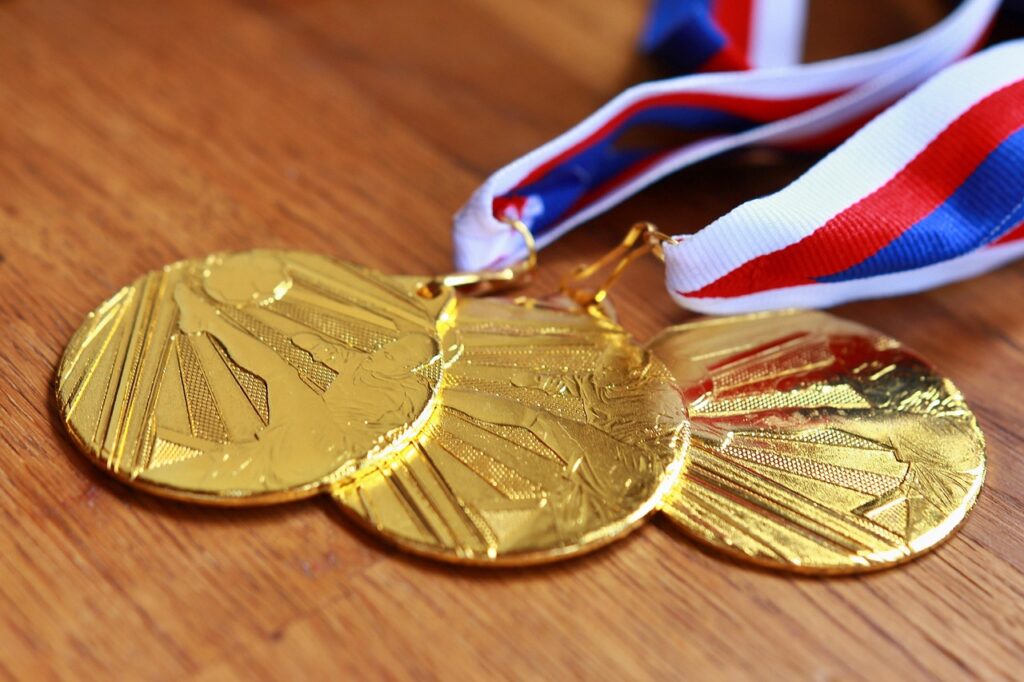

In a powerful display of athletic prowess on Monday, August 3, Indian wrestler Sitender etched his name into the history books by clinching his second consecutive Cadet World Championship title. The victory headlined a stellar day for the Indian contingent, which secured a total of 13 medals across various weight categories and disciplines. This remarkable achievement underscores India’s growing influence in the international junior sports circuit, particularly in combat sports.
The Cadet World Championships serve as the premier global stage for athletes under the age of 17, providing a glimpse into the future of Olympic competition. Sitender’s gold medal performance was the centerpiece of a day that saw Indian athletes consistently outclass opponents from traditional sporting powerhouses. Official reports indicate that the 13-medal haul represents one of the most successful single-day outcomes for the nation in recent youth championship history.
Sitender’s Path to Golden Glory
Sitender entered the tournament with the weight of high expectations, having already established himself as a formidable force in the wrestling world. Throughout the preliminary rounds, he demonstrated a sophisticated blend of technical agility and raw strength that left his opponents struggling to find an opening. His ability to maintain composure under pressure proved decisive in the final bout, where he faced a highly ranked international challenger.
According to official match data, Sitender utilized a series of high-amplitude throws and tactical defensive maneuvers to control the pace of the final match. His victory not only secures his individual legacy but also reinforces India’s reputation as a nursery for world-class wrestling talent. Coaches and analysts noted that his transition from defense to offense was seamless, a hallmark of elite-level training.
The 13-Medal Surge
While Sitender’s gold was the highlight, the broader success of the Indian team suggests a deep bench of talent across multiple weight divisions. The 13 medals earned on Monday include a mix of gold, silver, and bronze, reflecting a balanced performance across the squad. This collective success is the result of rigorous national selection trials and intensive training camps conducted in the months leading up to the event.
Reports from the venue suggest that the Indian wrestling team was particularly dominant in the freestyle categories. Several athletes who secured silver and bronze medals were within points of reaching the top of the podium, indicating that the gap between Indian wrestlers and their global peers continues to shrink. This surge in medals is seen as a direct outcome of increased investment in grassroots sports infrastructure.
Impact on the Indian Sports Ecosystem
The success of the cadet team has significant implications for the future of Indian sports, particularly as the nation looks toward upcoming Olympic cycles. By securing world titles at the cadet level, athletes like Sitender are gaining the international exposure and confidence necessary to compete at the senior level. This pipeline of talent is crucial for maintaining long-term competitiveness on the world stage.
Industry experts suggest that these victories will likely lead to increased corporate sponsorship and government funding for youth programs. The visibility of such achievements encourages more young people to take up competitive sports, expanding the talent pool for future generations. Furthermore, the 13-medal tally serves as a validation of the coaching methodologies currently employed at national centers of excellence.
The Role of Institutional Support
The sustained success of Indian wrestlers is often attributed to the collaborative efforts of the Sports Authority of India (SAI) and the Wrestling Federation of India. These organizations have implemented structured training programs that focus on nutrition, mental conditioning, and technical skill development. Official sources highlight that the integration of sports science has played a pivotal role in preparing athletes for the physical demands of world championships.
In addition to wrestling, the broader “sports wrap” of the day indicated progress in other disciplines, suggesting a more holistic approach to athlete development. The focus has shifted from individual brilliance to a system-driven approach that prizes consistency and scientific preparation. This shift is essential for India to transition from a nation with occasional sporting heroes to a consistent global contender.
What to Watch Next
As the Cadet World Championships conclude, all eyes will turn to how these young champions transition into the junior and senior ranks. For Sitender, the challenge will be to maintain his dominance as he moves into higher weight classes and faces more experienced competition. Observers will also be monitoring the other medalists to see if they can replicate their success in upcoming continental championships.
The sports ministry is expected to announce new incentives and advanced training opportunities for the medal winners to ensure their growth is not stunted. With the 13 medals serving as a strong foundation, the focus now shifts to the long-term development of these athletes. The next few years will be critical in determining whether this cadet-level success translates into podium finishes at the Olympic Games.
Disclaimer: This article is published for general news and informational purposes only. While every effort has been made to ensure accuracy, readers are advised to verify important information from official sources. The publisher shall not be responsible for any loss or inconvenience arising from reliance on the information published.