
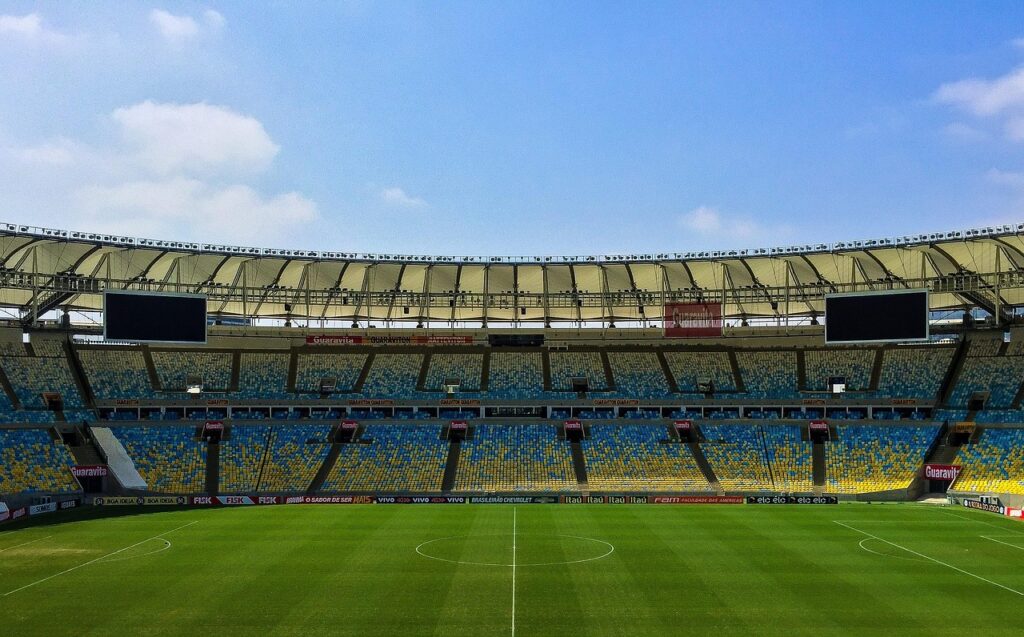

MONTERREY, Mexico — Ronald Koeman is expected to step down as the head coach of the Netherlands national team following a devastating penalty shootout elimination at the FIFA World Cup. The exit, which occurred late Tuesday night at the Estadio BBVA, marks a significant failure for the Oranje, who entered the tournament with aspirations of a deep knockout run but were sent home prematurely by a resilient opponent. The Royal Dutch Football Association (KNVB) is now facing immediate pressure to restructure its technical leadership as the team prepares for the next international cycle.
Context: A Second Stint Under Pressure
Ronald Koeman returned to the helm of the Dutch national team in January 2023, taking over from Louis van Gaal after the 2022 World Cup in Qatar. His appointment was viewed as a return to traditional Dutch football values, specifically the 4-3-3 formation that has defined the nation’s sporting identity for decades. However, his second tenure has been marked by inconsistency, with the team struggling to replicate the defensive solidity and tactical fluidity seen during his first successful spell between 2018 and 2020.
Expectations were high heading into the Monterrey tournament, with a squad featuring world-class talents like Virgil van Dijk and Frenkie de Jong. Despite a relatively smooth qualification process, the team’s performance in the group stages drew criticism from domestic media for a perceived lack of creative spark and an over-reliance on individual brilliance rather than cohesive team play. The elimination in the round of 16 represents the nation’s earliest World Cup exit since 2006, creating a sense of urgency within the KNVB headquarters in Zeist.
The Monterrey Stalemate
The match in Monterrey was a grueling affair, played under intense humidity that seemed to sap the energy of the Dutch midfield. After 120 minutes of scoreless football, the game moved to a penalty shootout—a historical Achilles’ heel for the Netherlands. Koeman’s side failed to convert two of their five attempts, sealing their fate and sparking scenes of despair among the traveling Oranje supporters.
In the immediate aftermath, Koeman remained non-committal about his professional future. “It is not the moment to speak about my position or the future of the staff,” Koeman told reporters during a tense post-match press conference. “We are all hurting from this result. We prepared well, but in football, the margins at this level are incredibly thin. We will analyze everything when we return home.” His refusal to make a definitive statement has only fueled rumors that his departure is a matter of ‘when’ rather than ‘if.’
Expert Perspectives and Tactical Analysis
Tactical analysts have pointed toward Koeman’s rigid substitution patterns and late-game management as contributing factors to the early exit. Data provided by Opta highlights that the Netherlands had their lowest expected goals (xG) per game in a major tournament in over a decade, averaging just 0.95 xG over their four matches in Mexico. This lack of offensive output placed immense pressure on the defense, which eventually buckled under the weight of the shootout.
“The Dutch system under Koeman felt dated compared to the high-pressing, fluid transitions seen from teams like Spain or Germany,” noted former international midfielder and analyst Rafael van der Vaart. “There was a lack of tactical flexibility when the initial plan didn’t work. In tournament football, you need to be able to adapt mid-game, and we didn’t see enough of that in Monterrey.” This sentiment is echoed by many in the Dutch sporting press, who argue that the national team has fallen behind the tactical curve of global football.
Implications for the KNVB and the Industry
The potential departure of Koeman has significant implications for the KNVB’s long-term strategy. A change in leadership would likely trigger a complete overhaul of the coaching staff and potentially a shift in the youth development pipeline. Financially, an early exit impacts sponsorship bonuses and the distribution of FIFA prize money, which is often reinvested into grassroots football programs in the Netherlands.
Furthermore, several senior players are nearing the end of their international careers. A new coach would be tasked with managing a delicate transition period, integrating a promising generation of U-21 talents into a squad that currently lacks a clear tactical direction. The decision-making process at the KNVB will be closely watched by fans who are demanding a return to the proactive, attacking style of football that earned the Netherlands the nickname “The Clockwork Orange.”
The KNVB is expected to convene an emergency board meeting later this week to discuss the technical report of the tournament. Observers will be watching for any signs of a recruitment process beginning, with several high-profile Dutch managers currently available or nearing the end of their club contracts. The resolution of Koeman’s status will be the first step in a broader effort to rebuild the national team’s reputation ahead of the upcoming European Championship qualifiers.