
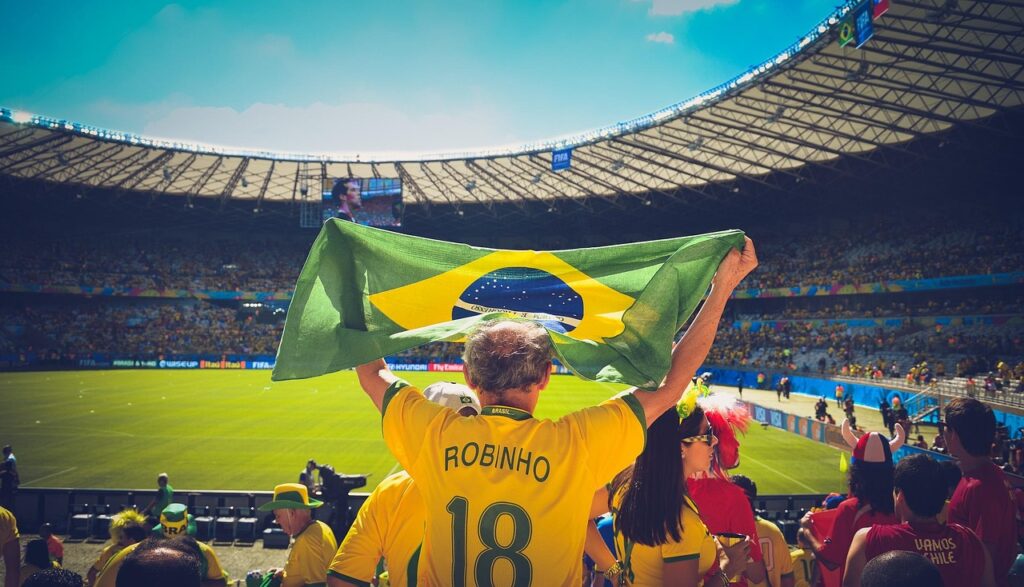

Brazil secured a pivotal 2-1 victory over Japan at the FIFA World Cup on Tuesday night at the Lusail Stadium, breaking through one of the tournament’s most resilient defensive units by implementing a significant tactical gear shift in the second half. The South American giants trailed early in the match before a series of structural adjustments allowed them to bypass Japan’s disciplined low block and claim all three points in a high-stakes group stage encounter.
The Defensive Architecture of the Blue Samurai
Japan entered the match with a reputation as one of the World Cup’s best-drilled defensive teams, a status they reinforced throughout the first forty-five minutes. Their 5-4-1 defensive shape prioritized horizontal compactness, effectively neutralizing Brazil’s preferred central passing lanes and forcing the five-time champions into low-percentage crosses.
The Japanese strategy relied on a mid-to-low block that triggered pressing traps only when Brazil’s midfielders entered the final third. This disciplined approach limited Brazil to just two shots on target in the first half, while Japan capitalized on a swift counter-attack to take an early lead, silencing the predominantly yellow-clad crowd.
For Brazil, the challenge was not a lack of possession—which they dominated at 68%—but a lack of penetration. The Japanese backline, led by veteran leadership, anticipated every diagonal run, creating a tactical stalemate that suggested an upset was on the horizon.
The Strategic Pivot: Changing the Questions
The second half saw a marked departure from Brazil’s initial approach as they moved away from a slow, methodical build-up to a more vertical and chaotic offensive style. By increasing the tempo of their ball circulation, Brazil began to stretch the Japanese lines, forcing defenders to make split-second decisions rather than relying on pre-set positioning.
The tactical shift involved pushing the full-backs higher and wider, which forced Japan’s wing-backs to drop deeper and created gaps between the Japanese center-backs. Brazil stopped trying to play through the middle and instead focused on quick rotations in the half-spaces, effectively “changing the questions” they were asking of the Japanese defense.
This increased pressure eventually forced a lapse in concentration. A rapid sequence of one-touch passes on the edge of the area led to the equalizer, as Brazil utilized third-man runs to finally get behind the Japanese defensive wall. The momentum shifted instantly, with Japan struggling to adapt to the new speed of the game.
Data Insights and Tactical Superiority
Statistical analysis of the match highlights the effectiveness of Brazil’s second-half adjustments. According to Opta data, Brazil’s Expected Goals (xG) rose from a meager 0.45 in the first half to 1.82 in the second, reflecting a significant improvement in the quality of chances created.
Furthermore, Brazil increased their successful dribbles in the final third by 40% after the interval. By isolating Japanese defenders in one-on-one situations, Brazil’s individual talent was able to shine, eventually leading to a late winner from a set-piece transition that caught the Japanese defense retreating.
Expert analysts noted that Brazil’s ability to remain patient while simultaneously increasing their intensity was the hallmark of a championship-caliber team. The introduction of fresh legs from the bench provided the physical dynamism needed to break a tiring Japanese side that had spent most of the match chasing the ball.
Implications for the Tournament
This victory serves as a statement of intent for Brazil, proving they possess the tactical flexibility to overcome teams that prioritize defensive stability over offensive ambition. The win almost certainly guarantees their progression to the knockout stages, allowing the coaching staff to potentially rotate the squad in the final group match.
For Japan, the narrow defeat is a bitter pill to swallow but confirms their status as a formidable opponent for any top-tier nation. Their defensive organization remains a blueprint for underdog success, though their inability to sustain pressure in the second half suggests a need for greater depth in their midfield transitions.
Observers will now watch closely to see if other nations adopt Japan’s defensive blueprint against Brazil, or if Brazil’s newfound ability to shift gears mid-match has made them effectively unplayable. The focus shifts to the final round of group fixtures, where the physical toll of this high-intensity match will likely influence starting lineups and tactical approaches.