







The Challenge of Leadership
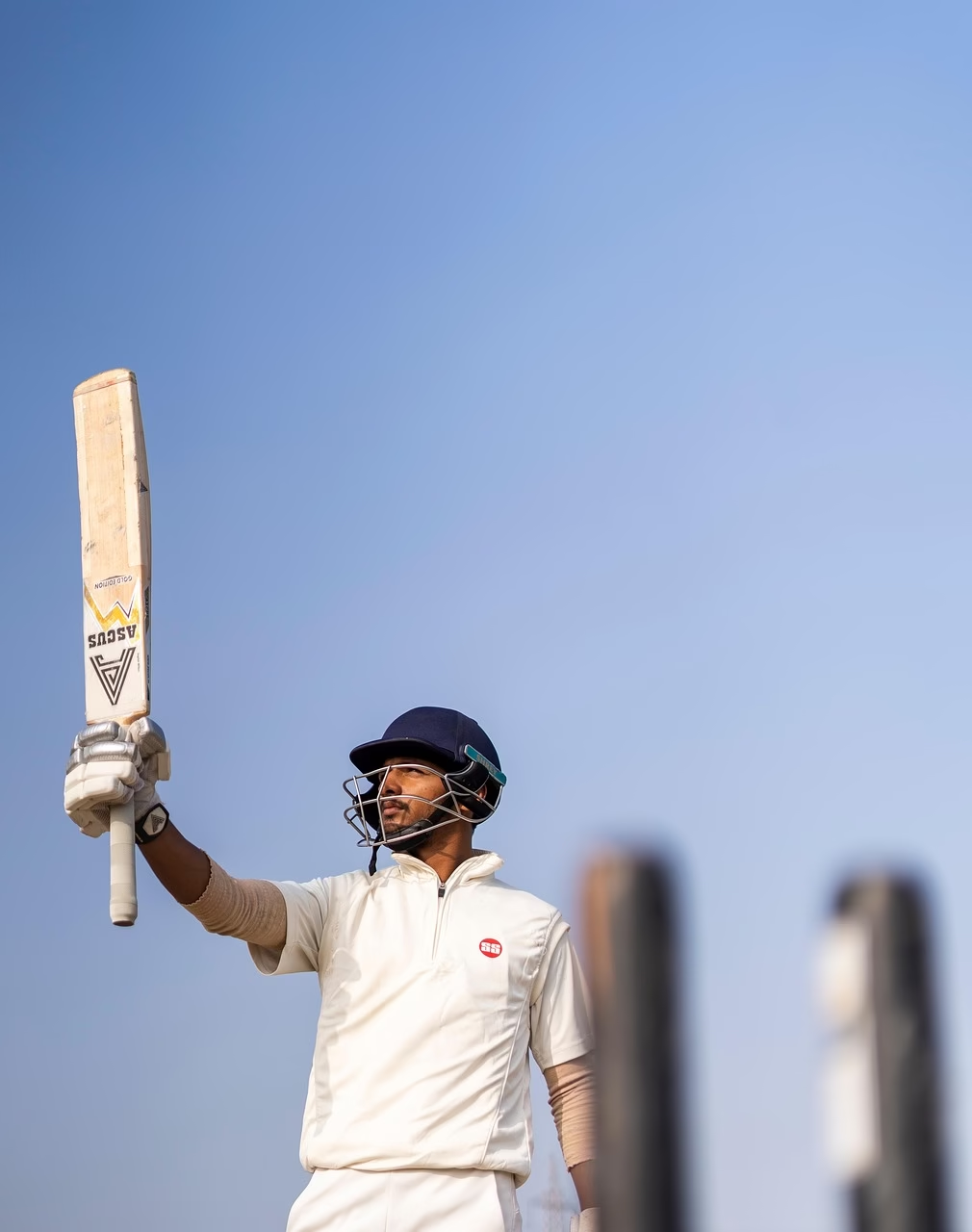
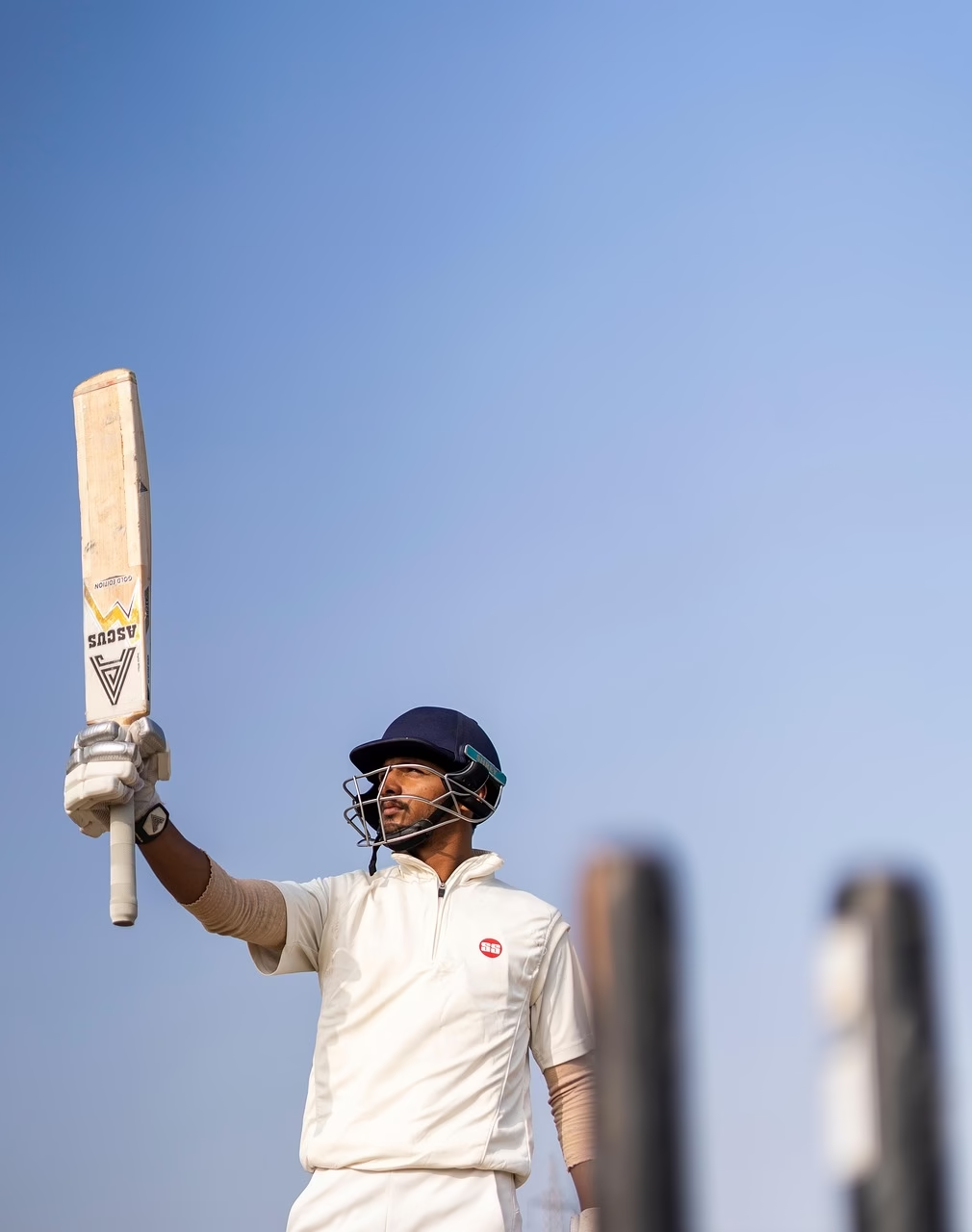
Former Indian Test opener Aakash Chopra has publicly questioned the current trajectory of Shubman Gill’s ODI captaincy, citing a lack of stability in the young leader’s tactical approach. Despite Gill’s established reputation as one of the world’s premier batting talents, his tenure as captain has yielded only two victories across six matches, including two consecutive series losses. This performance record has prompted calls for a more definitive leadership style as the Indian cricket team navigates a transitional phase in its limited-overs format.
Contextualizing the Captaincy Shift
The transition to a new generation of leadership is a critical period for the Board of Control for Cricket in India (BCCI). Following the retirement of veteran stalwarts and a shift in focus toward long-term development, Gill was identified as a primary candidate to lead the ODI side. However, the expectations placed upon the young batsman are immense, as he is tasked with balancing personal scoring consistency with the strategic demands of managing a diverse bowling and batting lineup.
Analyzing the Performance Gap
Statistical analysis of Gill’s recent captaincy reveals a disparity between his individual batting output and his team-management efficiency. While his personal strike rate and average remain among the highest in international cricket, the team’s collective performance has struggled to mirror that success. Analysts point to inconsistent field placements and a lack of decisive bowling changes during high-pressure middle overs as primary areas for improvement.
Expert Perspectives
Aakash Chopra, speaking on his official analysis platform, noted that while Gill’s batting prowess remains unquestioned, the art of captaincy requires a different set of instincts.