









A Premonition Realized
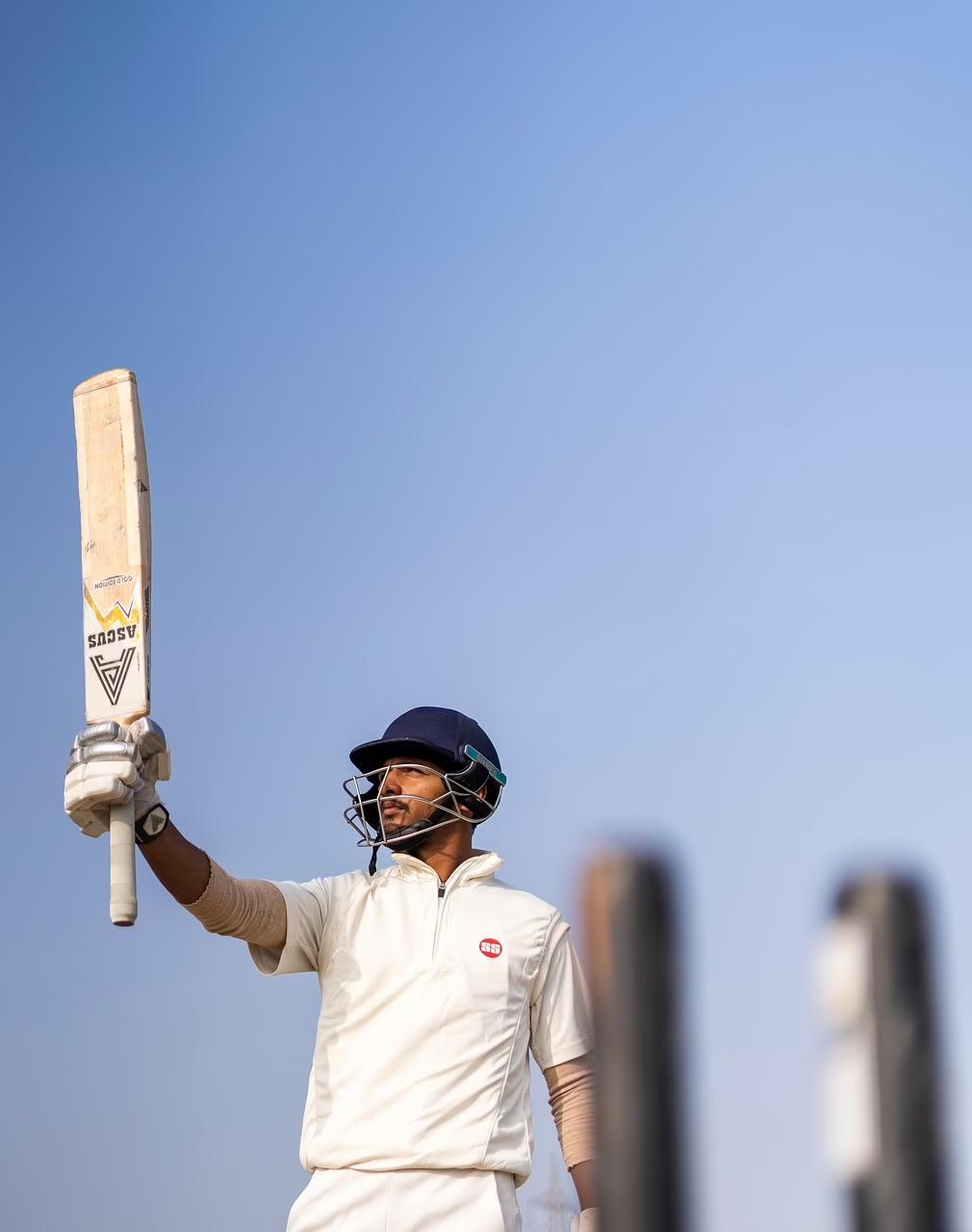
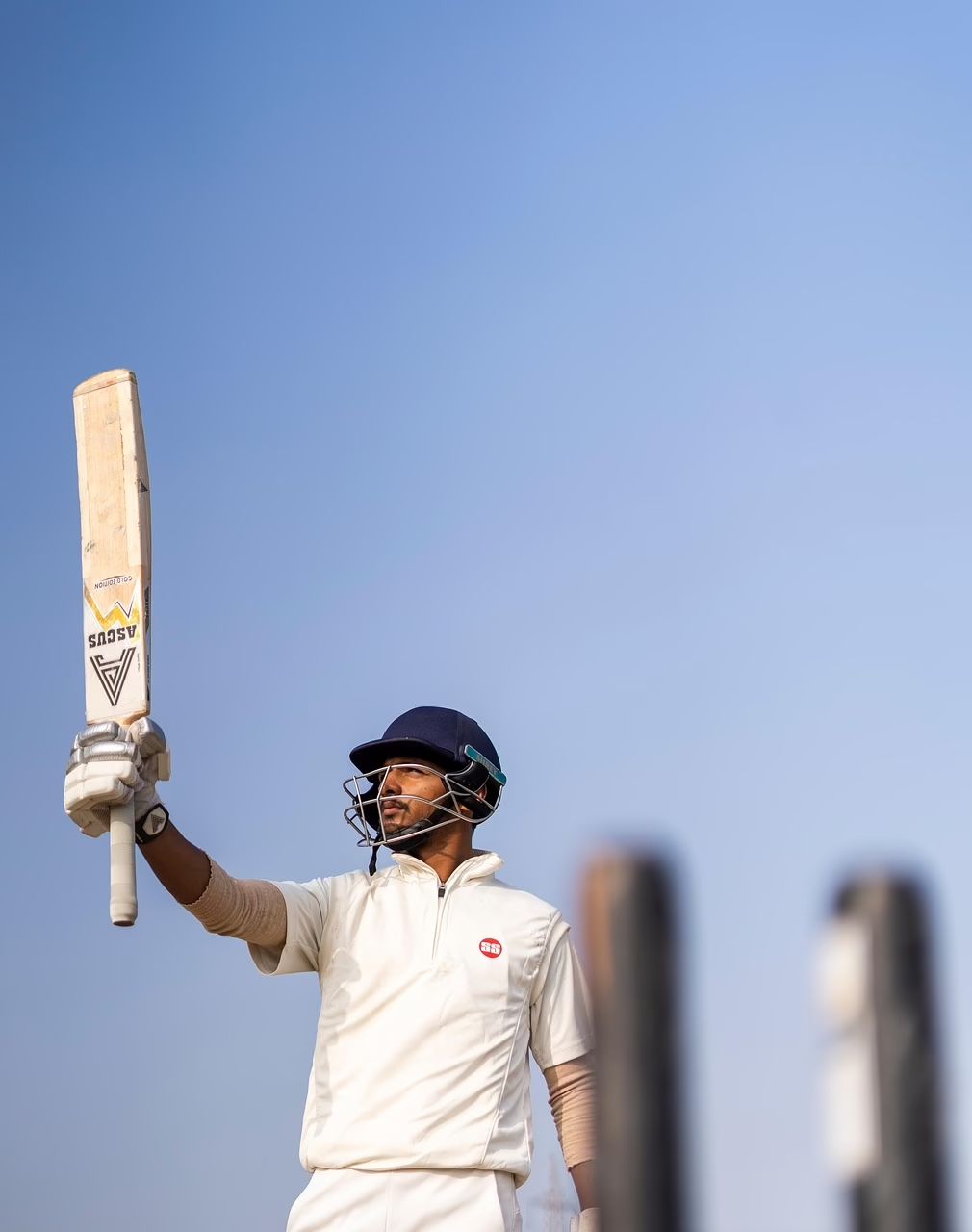
Former New Zealand fast bowler Simon Doull stunned the cricketing world last week when he teased a “big announcement” regarding the BlackCaps, a prediction that materialized just five days later with Kane Williamson‘s retirement from international cricket. The 34-year-old batting icon confirmed his exit from the global stage this week, bringing a definitive close to a decorated 16-year career that transformed New Zealand into a perennial powerhouse in all three formats of the game.
The Context of a Legend
Williamson’s departure follows a period of transition for New Zealand cricket, which has seen the exit of several veteran players who defined the country’s “Golden Generation.” Throughout his tenure, Williamson maintained a reputation for technical precision and unflappable temperament, anchoring the team through their most successful era, including the 2021 World Test Championship victory.
His career statistics place him among the greatest batters in history, with over 8,000 Test runs and a reputation for excellence on the most challenging pitches. Beyond the numbers, he served as a cultural ambassador for the sport, often cited for his humility and sportsmanship in an increasingly aggressive professional environment.
Analyzing the Impact
The timing of the announcement, foreshadowed by media insiders like Doull, underscores the shifting landscape of international cricket where high-profile players are increasingly opting for franchise-based T20 leagues over the grueling demands of national duty. While Williamson has not cited specific reasons for his early exit, industry analysts suggest the decision reflects a growing trend of elite athletes prioritizing longevity and family life over the relentless international calendar.
Data from the International Cricket Council (ICC) indicates that the frequency of multi-format international tours has increased by 15% over the last decade, placing unprecedented physical and mental strain on top-tier players. Williamson’s departure leaves a significant leadership vacuum within the BlackCaps, as the team struggles to replace a captain who served as both the tactical brain and the primary run-scorer for over a decade.
Expert Perspectives
Cricket analysts note that Williamson’s exit marks a “rebuilding phase” for New Zealand cricket. “Kane was the glue that held the batting lineup together during high-pressure sessions,” says cricket historian Marcus Thorne. “His ability to read the game was unmatched, and his retirement forces the board to accelerate the development of younger talent who have yet to face the same level of scrutiny.”
The move also raises questions about the financial sustainability of smaller cricketing nations. As players move toward private leagues, domestic boards face the challenge of incentivizing young talent to remain committed to the international flag-bearing role that Williamson embodied for so long.
Future Implications
For fans and stakeholders, the immediate future centers on how the BlackCaps will restructure their batting order for the upcoming World Cup cycle. Observers are now watching the domestic Plunket Shield competition closely, looking for the next generation of top-order batters capable of filling the void left by one of the game’s most consistent performers.
As the international circuit moves forward, the focus will likely shift to the impact of veteran retirements on the overall quality of Test match cricket. The departure of a player of Williamson’s caliber serves as a stark reminder that the current structure of global cricket is nearing a tipping point, necessitating a re-evaluation of how boards manage player workloads and long-term retention strategies.