
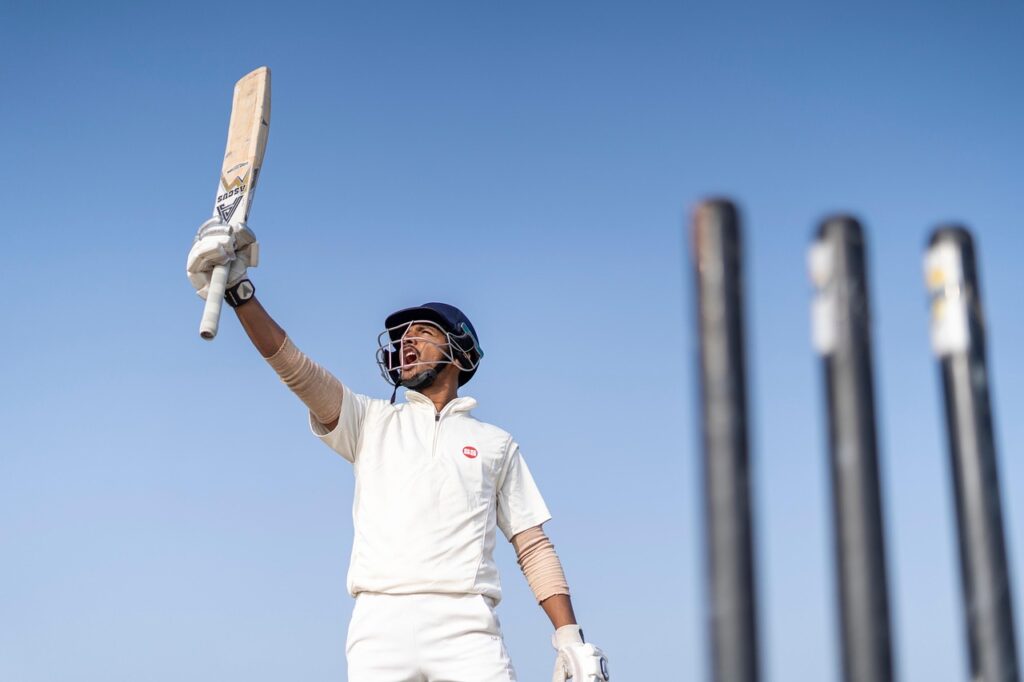

Indian cricket star Hardik Pandya has officially shifted his training base to the Board of Control for Cricket in India’s (BCCI) newly inaugurated Centre of Excellence (COE) in Bengaluru this week. The move marks a strategic pivot in the all-rounder’s career as he seeks specialized, full-time oversight to manage a history of debilitating injuries that have frequently sidelined him during critical international windows. By embedding himself within the nation’s premier sports science facility, Pandya aims to optimize his physical condition for the upcoming 2025 international calendar and the Indian Premier League.
Context: A Career Defined by Resilience and Recovery
Hardik Pandya’s career has long been a balancing act between explosive on-field performance and physical fragility. Since undergoing major back surgery in late 2019, the 31-year-old has faced a series of setbacks, most notably a significant ankle injury sustained during the 2023 ICC Cricket World Cup. This specific injury not only ended his tournament prematurely but also ignited a national debate regarding the sustainability of his role as a high-impact all-rounder who bowls at high speeds and bats in high-pressure situations.
Historically, the BCCI’s medical wing—formerly known as the National Cricket Academy (NCA)—has served as a temporary destination for players undergoing rehabilitation or fitness testing. Pandya’s decision to move his permanent training base to the facility represents a departure from this norm. It signals a proactive, rather than reactive, approach to sports medicine, where the athlete seeks to prevent injury through constant professional surveillance rather than simply treating damage after it occurs.
The Bengaluru Shift: Inside the High-Performance Hub
The decision to relocate to Bengaluru is being described by cricket insiders as a “proactive intervention” sanctioned by the BCCI medical team. The new COE campus, located near the Bengaluru international airport, is vastly superior to the previous NCA facilities. It boasts three world-class sub-grounds, 86 practice pitches including specialized English and Australian soil tracks, and a state-of-the-art sports science block equipped with the latest in biomechanical analysis technology.
By training full-time at this facility, Pandya gains 24/7 access to a dedicated team of physiotherapists, strength and conditioning coaches, and nutritionists. This level of personalized monitoring is designed to create a “bulletproof” physical foundation. The facility’s indoor training area allows for year-round practice, ensuring that weather conditions do not interrupt his bowling rhythm or fitness drills. This controlled environment is crucial for an athlete whose body requires specific load management to avoid the recurring soft-tissue injuries that have plagued his recent seasons.
Expert Perspectives and Data-Driven Decisions
Sports medicine experts suggest that for an all-rounder like Pandya, the mechanical stress on the body is significantly higher than for specialist batsmen or bowlers. Dr. Rajesh Iyer, a consultant in sports kinesiotherapy, notes that the transition from the explosive mechanics of fast bowling to the endurance required for long batting innings requires rapid physiological adjustments. “By staying at the COE, Pandya can undergo daily load monitoring that is impossible to replicate while traveling or training independently at private clubs,” Dr. Iyer explained.
Statistical data from the last three years highlights the necessity of this radical move. Since 2021, Pandya has featured in approximately 42% of India’s total international fixtures across all formats. While he remains the cornerstone of the T20I squad, his absence from the Test arena and sporadic appearances in One Day Internationals (ODIs) have forced national selectors to constantly search for viable backups. The BCCI’s willingness to house him at the COE suggests they view him as an indispensable asset for the 2025 Champions Trophy and the subsequent T20 World Cup cycles.
Industry Implications and the New Model for Elite Athletes
This move could redefine how the BCCI manages its “Grade A” contracted players moving forward. If Pandya’s residency proves successful in maintaining his peak fitness, other senior players with chronic injury concerns may follow suit. It signals a shift toward a centralized, European-style club model where the national federation takes direct, daily control over a marquee player’s physical preparation and recovery protocols.
For the Mumbai Indians, Pandya’s IPL franchise, this development is a double-edged sword. While a fitter, more resilient captain is exactly what the team needs to bounce back from a disappointing 2024 season, the move also places Pandya under the direct microscopic lens of the BCCI. This likely means his participation in domestic leagues or even specific IPL matches will be strictly regulated based on the real-time data generated at the COE, prioritizing national duty over franchise commitments.
Observers and fans will be closely watching Pandya’s performance and durability during India’s upcoming white-ball assignments in the coming months. The success of this “Bengaluru Experiment” will determine if the COE becomes a permanent residential hub for India’s elite sporting talent. Should Pandya maintain a consistent bowling workload through the next year, the facility will have proved its worth as a career-extension center, potentially altering the career trajectories of fast-bowling all-rounders across the subcontinent.