
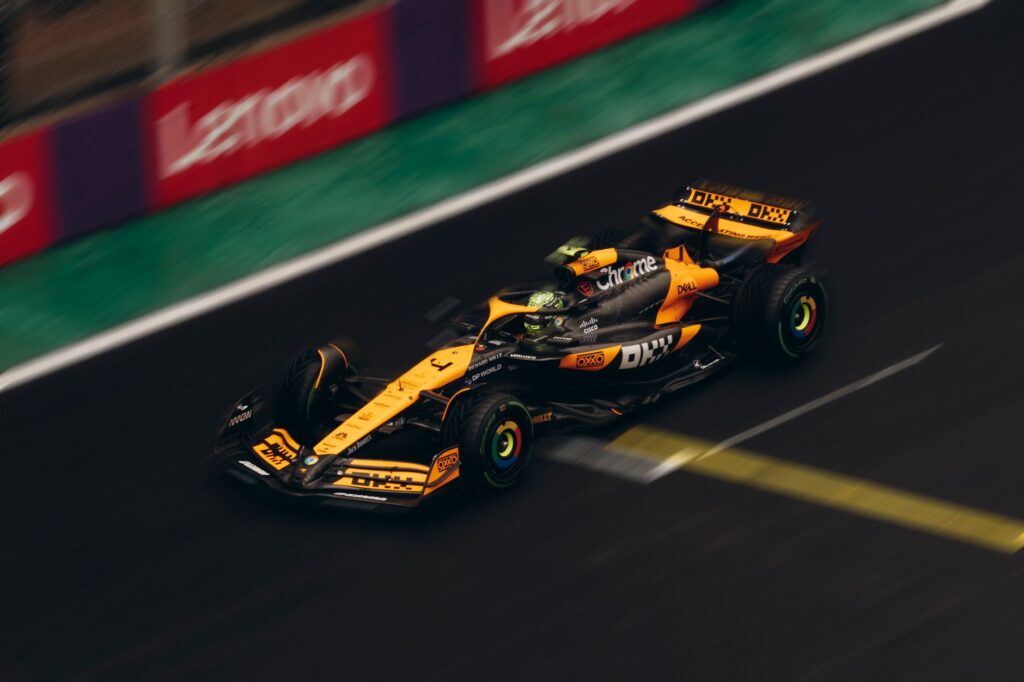

Formula 1 is entering a fascinating period of evolution as teams and drivers look beyond the massive regulatory overhaul of 2026. While the introduction of new technical guidelines brings an immediate layer of unpredictability to the championship, the driver market for subsequent seasons promises even greater drama. Understanding who holds a secure contract and who faces an uncertain future becomes critical as the grid prepares for the next phase of competition.
Looking Beyond 2026
The sweeping rule changes implemented for the 2026 championship reshaped the competitive hierarchy across the paddock. Teams had to adapt to completely redesigned power units and aerodynamic concepts, fundamentally altering the performance landscape. Yet, the long-term planning of team principals often extends well beyond the immediate season of transition.
Driver Contracts and Grid Stability
Securing top-tier talent remains a top priority for every constructor aiming for championship glory. As multi-year agreements approach their expiration dates, negotiations intensify behind closed doors. Star drivers with proven track records hold immense leverage, while rising talents from junior categories vie for coveted openings on the grid.
The Battle for Top Seats
Top-tier organizations like Red Bull, Ferrari, and Mercedes constantly evaluate their options to ensure maximum competitiveness. The decisions made by veteran champions and dominant race winners ripple through the entire paddock, creating a domino effect for mid-field outfits looking to upgrade their driver lineups.
What Lies Ahead
As the championship unfolds, contract announcements and paddock rumors will undoubtedly dominate headlines. The interplay between team performance under the current regulations and driver availability will dictate the shape of the grid for the upcoming years, ensuring that Formula 1 remains as compelling off the track as it is on it.