
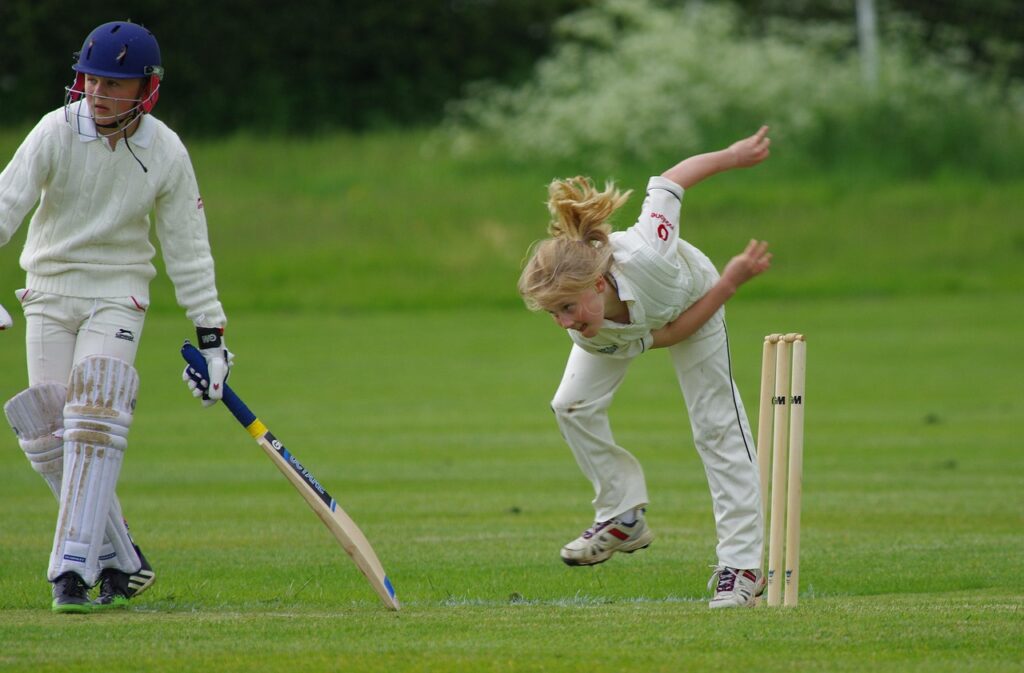

Irish fast bowler Jai Moondra officially joined the Rotterdam Dockers following the inaugural European T10 Cricket League (ETPL) draft held this week, marking a significant milestone in the expansion of professional short-format cricket across the continent. The draft saw six franchises assemble their foundational squads by selecting a total of 36 players, strategically divided to ensure equal representation with 12 athletes each from Ireland, Scotland, and the Netherlands.
The selection process serves as the cornerstone for a new era of regional cooperation between Cricket Ireland, Cricket Scotland, and the Koninklijke Nederlandse Cricket Bond (KNCB). By mandating a balanced roster of talent from the three premier Associate nations in Europe, the ETPL aims to bridge the gap between domestic club structures and the high-pressure environment of international franchise leagues.
The Strategic Evolution of European T10
The ETPL draft represents a shift in the European cricket landscape, moving toward a franchised model that prioritizes regional parity. Organizers designed the selection criteria to prevent any single nation from dominating the player pool, forcing coaches and scouts to look beyond their local borders for specialized talent.
For the Rotterdam Dockers, the acquisition of Jai Moondra provides a necessary injection of pace and international-standard discipline. Moondra, who has risen through the ranks of the Irish domestic circuit, is known for his ability to maintain high speeds while delivering accurate yorkers—a critical skill set in the T10 format where bowlers have only 60 legal deliveries to defend a total.
The draft utilized a snake-style system to ensure fairness, with team owners and analysts evaluating data points from the last three seasons of Inter-Provincial and Topklasse competitions. The resulting rosters reflect a blend of veteran experience and emerging youth, designed to appeal to a growing television audience across the British Isles and Western Europe.
Analyzing the Rotterdam Dockers Roster
The Dockers’ decision to prioritize an Irish pacer in the early rounds suggests a tactical focus on defensive bowling. In the condensed T10 format, the powerplay overs often determine the outcome of the match, and Moondra’s reputation for extracting bounce on synthetic and hybrid surfaces makes him a versatile asset for the Rotterdam-based franchise.
Beyond Moondra, the Dockers filled their remaining slots with a mix of Scottish all-rounders and Dutch spin specialists. This multi-national composition is intended to foster a unique team culture, where players from different tactical backgrounds must integrate quickly before the season opener. The team’s coaching staff emphasized that the 12-12-12 player split was not just a regulatory requirement but a strategic opportunity to build a well-rounded squad.
Data from previous European Cricket Network (ECN) events indicates that teams with diverse bowling attacks—combining high-velocity pace with subtle variations—tend to perform 15% better in death-over scenarios. The Dockers’ recruitment strategy appears to align with these metrics, placing a premium on specialized roles rather than generalist players.
Economic and Developmental Implications
The ETPL draft is expected to have a ripple effect on the professionalization of the sport in the participating nations. By providing 36 players with professional contracts and exposure to franchise-level coaching, the league functions as a high-performance incubator. For players like Moondra, the league offers a platform to catch the attention of global scouts from the IPL, Big Bash, and The Hundred.
Industry analysts point to the rising commercial value of European cricket, citing a 40% increase in viewership for regional T10 matches over the last 24 months. The inclusion of established names alongside rising stars ensures that the league maintains high competitive standards while simultaneously growing the local fanbase in cities like Rotterdam, Dublin, and Edinburgh.
Furthermore, the league’s structure encourages cross-border sponsorship opportunities. Brands that previously focused on a single national market now have access to a tri-nation demographic, increasing the potential for lucrative kit sponsorships and stadium naming rights. This financial influx is vital for the long-term sustainability of the participating cricket boards.
Franchise Competition and League Outlook
While the Rotterdam Dockers have secured a formidable lineup, they face stiff competition from the five other franchises that participated in the draft. Each team has now finalized its core group of 12 Irish, 12 Scottish, and 12 Dutch players, setting the stage for a highly competitive tournament where no single team has a clear home-field advantage in terms of talent depth.
Coaches from the Scottish and Dutch contingents have noted that the integration of Irish pace bowling, such as that provided by Moondra, will be the biggest challenge for opposing batsmen. The tactical nuances of T10 require a different mental approach than T20, with a focus on immediate aggression and innovative shot-making, which will test the adaptability of the newly drafted squads.
Observers will be closely monitoring the performance of the Irish contingent in the upcoming training camps. As one of the most established cricket nations in the group, the pressure is on Irish players to lead the statistical charts and justify their high draft stock in this new continental experiment.
Attention now shifts to the announcement of the full match schedule and the unveiling of official team kits. The ETPL management is expected to release details regarding the host venues and broadcasting partners in the coming weeks. Fans and analysts alike will be watching to see how the Rotterdam Dockers utilize Jai Moondra’s pace in the opening fixtures and whether this tri-nation draft model becomes a permanent fixture in the global cricket calendar.