
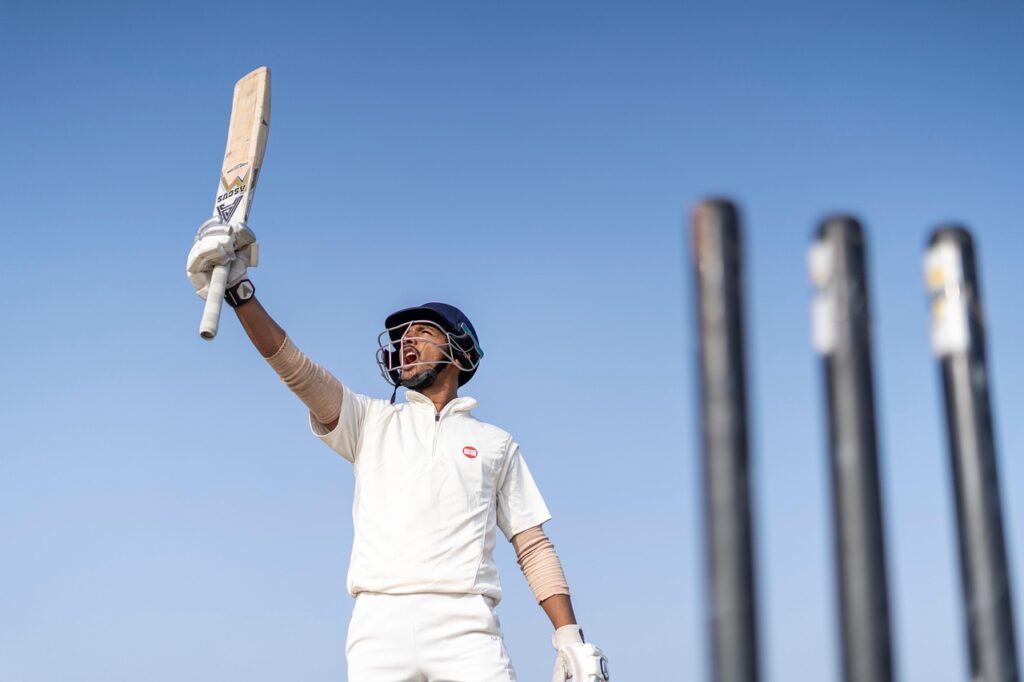

The recent professional debut of 13-year-old prodigy Vaibhav Sooryavanshi has inadvertently reignited a long-standing debate within Indian cricket circles regarding the career trajectory of Sanju Samson. As the Board of Control for Cricket in India (BCCI) continues its aggressive search for the next generation of talent in late 2024, Samson finds himself once again at a crossroads where his high-impact potential clashes with a lack of sustained continuity. The contrast between a rising star’s arrival and a veteran’s struggle for stability highlights the ruthless selection cycle currently defining the national team’s strategy.
The Cycle of Impact and Inconsistency
Sanju Samson’s international career has long been characterized by a polarizing “boom or bust” cycle that frustrates both selectors and fans. While he possesses the rare ability to dismantle world-class bowling attacks with effortless timing, his statistical profile remains marred by frequent low scores that follow his most brilliant performances. This pattern has prevented him from securing a permanent role in the middle order despite nearly a decade of proximity to the national squad.
In recent T20 International series against Bangladesh and South Africa, Samson demonstrated this paradox perfectly by scoring back-to-back centuries, followed immediately by a string of ducks. This lack of a middle ground—where a player contributes even when not at their peak—is what analysts cite as the primary reason for his recurring exclusion from the starting eleven during major ICC tournaments.
The emergence of younger talents like Sooryavanshi serves as a reminder that the window for established players is shrinking. In the modern Indian setup, the management often prioritizes “freshness” and long-term investment over players who have had multiple opportunities to cement their positions but failed to provide a reliable floor of performance.
Technical Brilliance Versus Tactical Discipline
From a technical standpoint, Samson is often cited by former players as one of the most aesthetically pleasing batters in the world. His ability to play both pace and spin with equal ease makes him a theoretical asset in any format. However, data from the last three IPL seasons and international tours suggests a vulnerability in shot selection during the early stages of his innings.
Stats reveal that while Samson’s strike rate remains among the highest for Indian wicketkeeper-batters, his average in away conditions fluctuates significantly. This volatility forces the team management to look toward more conservative options like KL Rahul or high-ceiling alternatives like Rishabh Pant, who have shown a greater capacity for match-winning knocks in high-pressure, red-ball, and white-ball scenarios alike.
The “Samson Truth” is that in a talent-rich environment like India, brilliance alone is insufficient. The selection committee, led by Ajit Agarkar, has increasingly moved toward a “data-first” approach where consistency across a ten-match sample size outweighs a single extraordinary performance. This shift has left Samson in a perpetual state of auditioning for a role he has technically held for years.
Expert Perspectives on the Selection Dilemma
Cricket analysts suggest that Samson’s struggle is not merely personal but a symptom of India’s vast cricketing depth. With the IPL acting as a conveyor belt for talent, the pressure to perform in every single outing is unprecedented. Former cricketers have noted that Samson often plays as if he is one failure away from being dropped, which ironically leads to the high-risk shots that result in his dismissal.
“The tragedy of Sanju Samson is that he plays the most difficult shots with the most ease, but gets out to the most deliveries,” noted one commentator during the recent domestic season. This sentiment reflects the broader industry view that Samson’s primary opponent is often his own aggressive instinct, which does not always align with the tactical requirements of a stabilizing middle-order batter.
Furthermore, the rise of multi-format players has pushed specialists like Samson into a corner. As the BCCI moves toward a split-coaching and split-captaincy model, the criteria for T20 specialists have become even more stringent, requiring players to be either absolute anchors or consistent finishers—roles that Samson has struggled to define for himself clearly.
Forward-Looking Implications for Indian Cricket
The immediate future for Sanju Samson depends heavily on his ability to transition from a “highlight-reel” player to a reliable cornerstone of the T20 lineup. With the 2026 T20 World Cup on the horizon, the management is expected to finalize a core group of 20 players within the next six months. Samson’s performance in the upcoming domestic cycles and the 2025 IPL season will likely be his final opportunity to break the cycle of being a perpetual backup.
Observers should watch how the BCCI balances the development of ultra-young prospects like Vaibhav Sooryavanshi against the experience of players like Samson. If the trend of prioritizing raw youth continues, the veteran batter may find himself phased out in favor of players who can be groomed into the specific tactical roles the modern game demands. The next few months will determine if Samson remains a cautionary tale of unfulfilled potential or finally evolves into the consistent match-winner his talent suggests.