
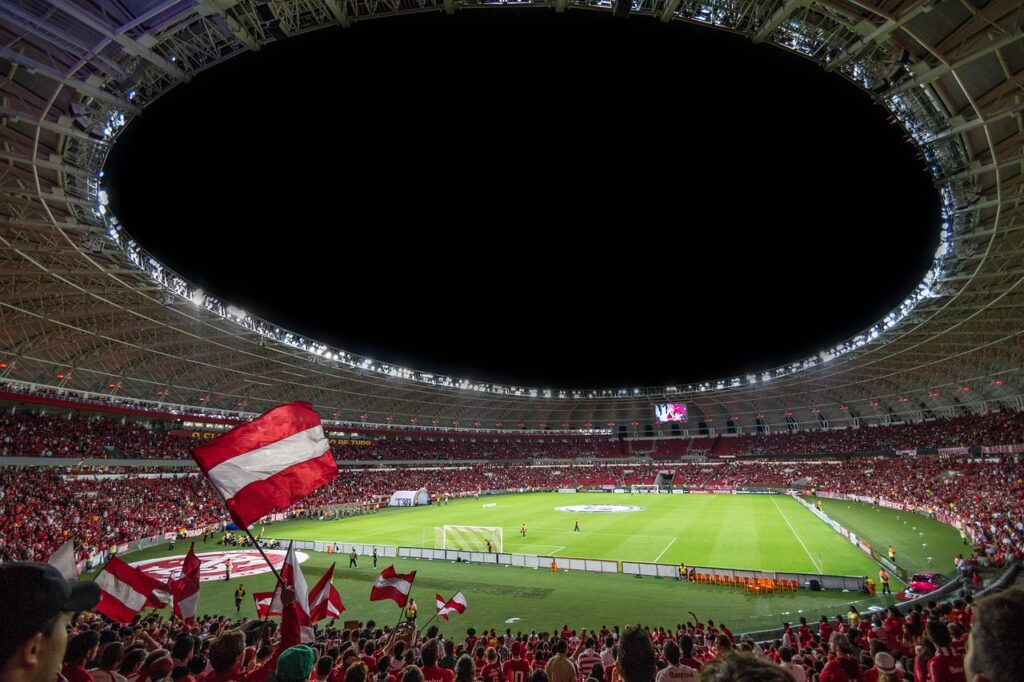

England faces a defining test this Sunday as they travel to Mexico City’s iconic Azteca Stadium for a high-stakes World Cup Round of 16 clash against the host nation. The Three Lions must navigate more than just an elite opponent; they are set to confront the daunting altitude of the Mexican highlands and a notoriously partisan crowd. This matchup reignites the age-old debate regarding the tangible impact of home-field advantage in international football’s most prestigious tournament.
The Mechanics of Home-Field Advantage
Home-field advantage in a World Cup context is a multifaceted phenomenon involving psychological pressure, environmental familiarity, and sometimes, the subtle influence of a roaring crowd on officiating. Historically, playing on home soil has provided a significant boost, with the host nation winning the tournament six times since its inception in 1930. The most recent side to lift the trophy at home was France in 1998, a feat that underscored how national fervor can propel a team beyond its perceived limits.
However, the advantage is not merely about support; it often involves logistics and climate. For England, the move to Mexico City introduces the challenge of playing at over 7,000 feet above sea level, where the air is thinner and physical recovery is slower. Combined with the gamesmanship often associated with host nations, the environment at the Azteca is designed to be as intimidating as possible for visiting squads.
A History of Political and Psychological Pressure
The history of host nations is often intertwined with the political climate of the era. The 1934 World Cup in Italy remains one of the most controversial examples, where Benito Mussolini’s fascist regime utilized the tournament as a propaganda tool. Italian writer Marco Impiglia later noted that the regime’s involvement raised significant doubts regarding the objectivity of the officiating, characterizing it as a “questionable win” that served political ends rather than just sporting excellence.
Similarly, the 1978 tournament in Argentina saw the hosts employ psychological tactics to unsettle their opponents. In the final against the Netherlands, the Argentine team intentionally delayed their entrance to the pitch, leaving the Dutch players alone to face a hostile, frenzied Buenos Aires crowd. These instances highlight how home-field advantage can be manufactured through environmental stressors and administrative maneuvers.
The Burden of the Maracanã
While hosting can lead to glory, it can also result in national trauma. Brazil, the most successful team in World Cup history with five titles, has famously never won the tournament on home soil. The 1950 “Maracanazo,” where Brazil lost 2-1 to Uruguay in front of an estimated 200,000 fans, remains a scar on the nation’s sporting psyche. Goal-scorer Alcides Ghiggia famously remarked that only three people had ever silenced the Maracanã: the Pope, Frank Sinatra, and himself.
This psychological burden resurfaced in 2014 when Brazil hosted again, only to suffer a humiliating 7-1 semi-final defeat to Germany. These cases suggest that the pressure to perform for a home crowd can occasionally become a weight too heavy to bear, transforming a perceived advantage into a debilitating disadvantage when things begin to go wrong on the pitch.
Officiating and the “Twelfth Man”
The influence of the crowd on referees is a recurring theme in World Cup history. England’s lone title in 1966 was marked by Geoff Hurst’s controversial “phantom goal” against West Germany at Wembley, a moment where the lack of goal-line technology left the decision to the officials in a high-pressure home environment. More recently, the 2002 World Cup co-hosted by South Korea and Japan saw South Korea make a miraculous run to the semi-finals, aided by several highly disputed calls against traditional powerhouses Italy and Spain.
Following the 2002 tournament, FIFA President Sepp Blatter was forced to acknowledge “bad calls” after the organization received hundreds of thousands of complaints from fans. While Blatter denied a deliberate conspiracy, the pattern of favorable decisions for host nations has historically fueled the belief that the “twelfth man” in the stands can indeed sway the hand of the referee.
Modern Implications and the VAR Era
For the current England squad, the historical data presents a mixed bag. While the Azteca is a fortress for Mexico, the introduction of Video Assistant Referee (VAR) technology in the modern era has significantly reduced the likelihood of the officiating bias seen in 1934 or 2002. The game is now more scrutinized than ever, which may neutralize some of the traditional “host-nation” benefits related to controversial goal-line or penalty decisions.
The focus for England will likely remain on the physical and psychological aspects of the game. If they can withstand the initial surge of energy from the Mexican side and the overwhelming noise of the crowd, they may find that the pressure shifts toward the hosts as the match progresses. In a tournament where the margin for error is razor-thin, the ability to tune out the environment is as crucial as tactical preparation.
As the tournament progresses, observers will be watching to see if the “host-nation hex” or the “host-nation help” prevails in the knockout stages. With Mexico’s formidable record at the Azteca, this Sunday’s result will serve as a modern case study in whether home-field advantage remains a decisive factor in an increasingly globalized and technologically monitored sport. The winner will not only advance to the quarter-finals but will also provide fresh data on whether the intimidation of a home crowd can still silence the world’s best.