
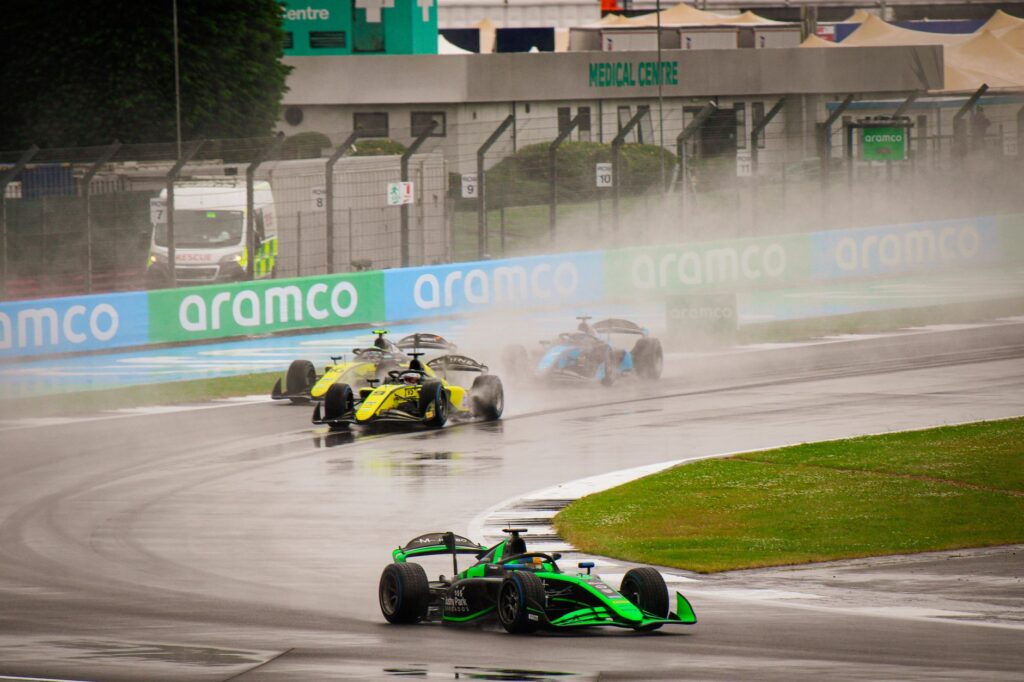

The governing body of motorsport has officially designated the upcoming Italian Grand Prix as a heat hazard. This decision comes as intense weather conditions drive temperatures up to 35 degrees Celsius at the historic Monza circuit.
Understanding the Heat Hazard Protocol
When ambient conditions exceed typical thresholds, motorsport officials implement specific safety measures to protect drivers, team personnel, and track workers. The soaring temperatures in Italy have triggered this high-temperature protocol for only the second time during the current championship calendar.
Drivers and teams must contend with grueling cockpit environments, where temperatures regularly exceed ambient readings due to engine heat, protective gear, and direct sunlight. Managing hydration and physical endurance becomes just as critical as mechanical setup during such extreme racing weekends.
Impact on Racing and Strategy
High track temperatures significantly alter tire degradation rates and overall car performance. Teams must adapt their aerodynamic and cooling configurations to prevent overheating power units while maintaining competitive lap times.
Engineers will monitor thermal data closely throughout the practice and qualifying sessions. Maintaining optimal operating temperatures is a delicate balance when the surrounding atmosphere provides little natural cooling.
Safety Measures at Monza
Circuit officials and medical teams remain on high alert to handle any heat-related incidents across the paddock and grandstands. Adequate hydration stations and cooling infrastructure are prioritized to support everyone working trackside.
As the weekend progresses, participants must rely on rigorous physical conditioning to withstand the demanding conditions. The combination of high-speed straights and intense ambient heat makes the Monza weekend a true test of human and mechanical resilience.