
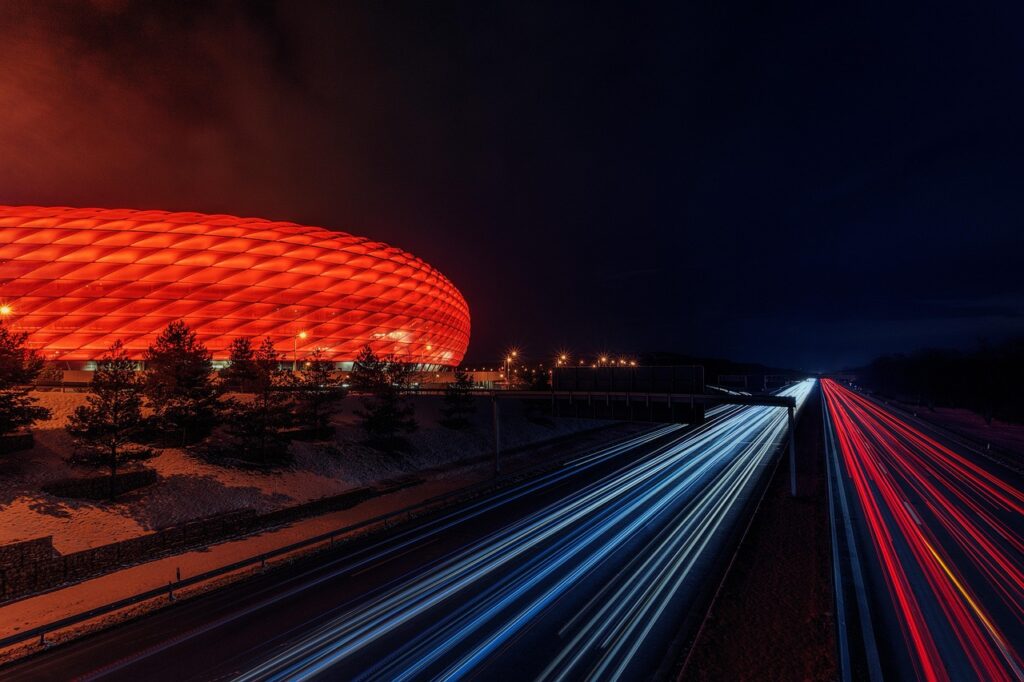

On Friday, June 26, 2026, New Zealand and Belgium will meet at BC Place in Vancouver for a high-stakes final group stage match in the 2026 FIFA World Cup. Kickoff is scheduled for 11:00 p.m. ET as both nations seek their first victory of the tournament to secure a path into the knockout stages. This encounter serves as a critical juncture for the All Whites, who are desperate for points, while the Red Devils aim to overcome a scoring drought that has defined their campaign so far.
The Stakes in Vancouver
The current landscape of the group has left both teams with little room for error. New Zealand enters the match with one point following a 2-2 draw with Iran and a 3-1 loss to Egypt. Belgium sits slightly ahead with two points after consecutive draws against Egypt and Iran. For New Zealand, only a victory will suffice to keep their hopes of advancement alive, whereas Belgium could potentially advance with a draw depending on the result of the simultaneous match between Egypt and Iran.
BC Place, known for its fast-paced playing surface and retractable roof, is expected to host a capacity crowd. The atmosphere in Vancouver has been electric throughout the tournament, and local organizers anticipate this match will be one of the most attended of the group stage. The geographic proximity and travel schedules for both teams have played a role in their preparation, with Belgium arriving in the city early to acclimate to the Pacific time zone.
Tactical Adjustments and Suspensions
Belgium faces a significant tactical hurdle following the dismissal of Nathan Ngoy in their previous match against Iran. Ngoy received a red card in the 65th minute, leaving the Red Devils with ten men for the remainder of that contest and resulting in an automatic suspension for the New Zealand fixture. Coach Domenico Tedesco will be forced to shuffle his defensive line, likely looking to his bench to find a replacement who can handle the aerial threats posed by the New Zealand attack.
The All Whites, led by coach Darren Bazeley, have shown flashes of brilliance, particularly in their offensive transitions. Midfielder Elijah Just has been the standout performer for New Zealand, scoring both of the team’s goals in the tournament thus far. His ability to find space in the final third will be tested against a Belgian defense that, despite missing Ngoy, has only conceded one goal in 180 minutes of play. Tactical analysts suggest New Zealand may utilize a high-pressing system to exploit any lack of cohesion in Belgium’s restructured back four.
Statistical Breakdown and Form
Data from the first two matchdays highlights a contrast in styles. Belgium has dominated possession in both of their outings, averaging 62% of the ball, yet they have struggled to convert that dominance into goals. Their 0-0 draw against Iran saw them register 14 shots, but only two were on target. This lack of clinical finishing has become a primary concern for the Belgian media and fans alike, especially given the talent available in their forward ranks.
Conversely, New Zealand has been more efficient with their limited chances. Despite having less possession than their opponents, the All Whites have maintained a higher shot-to-goal conversion rate. Elijah Just’s performance has been a statistical anomaly for a midfielder in the tournament, leading his team in both shots taken and successful dribbles. FIFA’s performance metrics indicate that the match will likely be decided in the midfield, where Belgium’s technical superiority will clash with New Zealand’s physical intensity.
The Vancouver Atmosphere and Fan Support
The 2026 World Cup marks a historic moment for North American soccer, and Vancouver has positioned itself as a premier host city. The local “All Whites” supporters’ groups have traveled in significant numbers, creating a sea of white in the stands. Belgian fans, known for their choreographed displays and vocal support, are also expected to turn out in force, making the match a vibrant cultural exchange as much as a sporting event.
Security and logistics at BC Place have been heightened for the final group matchday. With the matches being played simultaneously across the continent, the stadium’s large screens will provide updates on the Egypt vs. Iran scoreline, adding an extra layer of tension for the players and spectators alike. The psychological pressure of knowing they need a specific result elsewhere could impact the tactical decisions made by both managers in the final twenty minutes of play.
Implications for the Knockout Rounds
A win for Belgium would likely see them finish in the top two of the group, securing a favorable draw in the Round of 32. For New Zealand, a victory would represent one of the greatest achievements in their footballing history, potentially marking the first time the nation has progressed beyond the group stage of a FIFA World Cup. If the match ends in a draw, New Zealand will be officially eliminated, while Belgium will be left to hope that the goal difference math works in their favor.
Looking ahead, the winner of this match will face a quick turnaround, with the knockout stage matches scheduled to begin shortly after the conclusion of Group Stage play. Scouts from potential Round of 32 opponents are expected to be in attendance at BC Place to analyze the tactical shifts made by both teams. As the tournament progresses, the ability to adapt to suspensions and injuries—like those currently affecting the Belgian squad—will be the defining factor for any team with aspirations of lifting the trophy.