

County Championship Cricket Analysis
The red-ball cricket season delivered another dramatic day of action as Kent and Lancashire locked horns in a fiercely contested fixture. Both sides entered the match with distinct ambitions, and the unfolding drama on the pitch did not disappoint spectators and analysts following the domestic circuit closely.
Bowling Brilliance and Early Dominance
The opening exchanges of the match set a blistering pace as the bowling attack laid siege to the opposition batting lineup. Discipline, precision, and relentless pressure characterized the early spells from the pace bowlers, who found substantial movement off the surface.
Batting collapses are rarely a product of a single delivery, and this innings was no exception. A disciplined line and length tested the technique and temperament of the top order, leading to a steady procession of dismissals that left the batting side reeling.
Every time a partnership threatened to stabilize the innings, a timely breakthrough dismantled the emerging resistance. The fielding side maintained high intensity, capitalizing on half-chances and putting maximum pressure on incoming batters.
Lancashire Skittled for Sub-Par Total
Despite boasting a lineup capable of imposing totals, the batting side struggled to cope with the moving ball and hostile bowling conditions. Wickets fell at regular intervals, preventing any meaningful partnerships from taking root.
As the innings drew to a close, the total struggled to reach a competitive threshold. Being restricted to a low score put immense pressure on the bowling attack to replicate the heroics of their counterparts and turn the tide of the match.
Kent Slips in Response
Cricket is a game of shifting momentum, and the second half of the day proved that no total is straightforward to chase in bowler-friendly environments. In response to the modest target, Kent experienced a turbulent start of their own.
The early overs of the reply saw the top order crumble under similar pressure. Aggressive bowling combined with nervous stroke-play created an electric atmosphere as wickets tumbled in rapid succession.
Before long, the batting side found themselves in a precarious position, teetering dangerously close to losing the advantage gained from their earlier bowling performance. The scoreboard pressure magnified every defensive prod and attacking drive.
Zak Crawley Anchors the Resistance
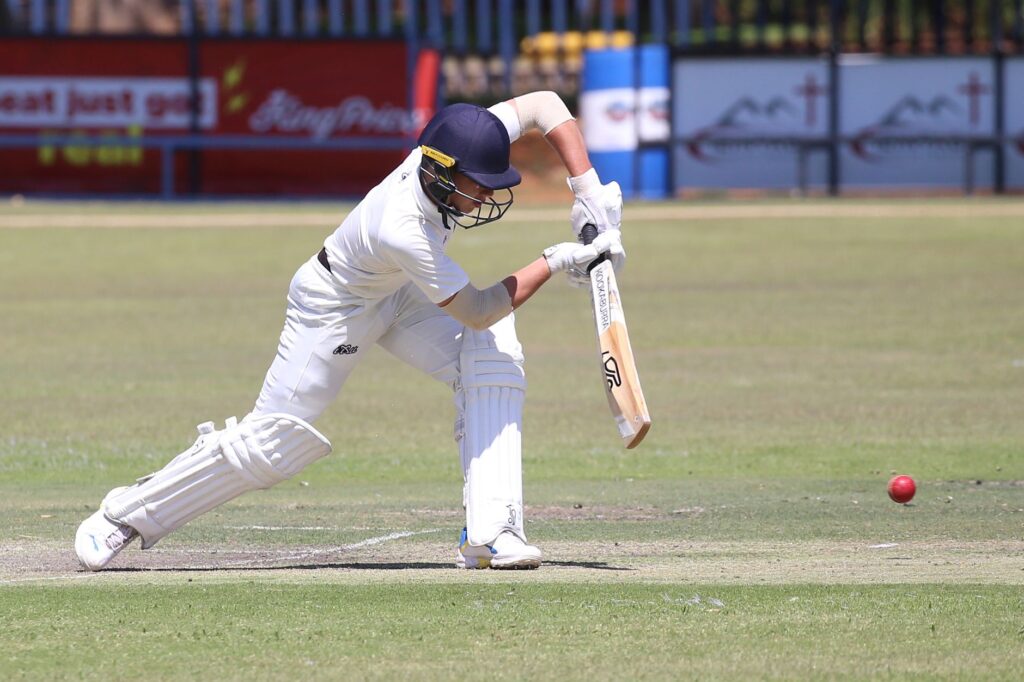
Amidst the tumbling wickets and rising tension, national Test opener Zak Crawley stepped up to showcase his technical prowess and resilience. Playing with a blend of caution and calculated aggression, Crawley stood firm while partners fell around him.
His innings was a masterclass in concentration, requiring him to leave well, play with a straight bat, and punish any loose deliveries that strayed onto his pads or wide of the off-stump. While others struggled to read the movement, Crawley appeared to have significantly more time to play his shots.
By anchoring one end of the pitch, he ensured that the innings did not completely unravel. His presence at the crease provided much-needed stability and offered a glimmer of hope for his side as they sought to secure a vital first-innings lead.
Tactical Battle Moving Forward
As the day concluded, the match remained delicately balanced. The contrasting fortunes of both batting lineups highlight the challenging nature of the pitch and the high quality of the bowling attacks on display.
Captains and coaches will be spending the evening reviewing strategies for the next morning session. For the bowling side, the immediate objective will be to clean up the remaining tail-end wickets as quickly as possible. For the batters at the crease, survival and incremental scoring remain the primary goals.
Matches of this caliber often come down to small moments of brilliance and resilience. Whether Crawley can convert his gritty knock into a substantial century will likely dictate the direction of this crucial county fixture in the days to come.