
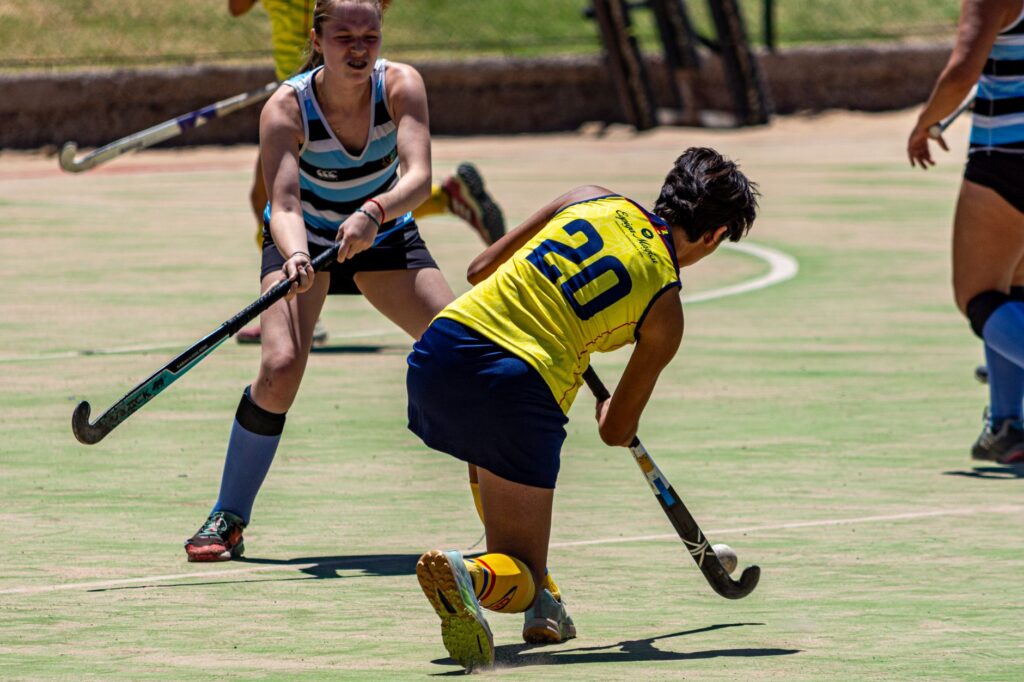

NEW DELHI — Hockey India has officially announced that midfielder Salima Tete will captain the 20-member Indian women’s hockey squad at the upcoming Aichi-Nagoya 2026 Asian Games in Japan. The decision solidifies Tete’s role as the anchor of the national transition, following her successful tenure leading the team to a historic FIH Women’s Nations Cup triumph in New Zealand last month.
The selection committee finalized the roster after a rigorous assessment camp at the Sports Authority of India (SAI) center in Bengaluru. The squad features a calculated blend of experienced Olympians and emerging junior talent, all tasked with securing direct qualification for the Los Angeles 2028 Olympic Games.
Building on Nations Cup Success
Tete’s appointment comes as no surprise to hockey analysts who observed India’s dominant tactical display in New Zealand. Under her leadership, the team showcased a highly aggressive, high-press style of play that dismantled European and Oceania opponents alike.
The Nations Cup victory not only restored confidence after a challenging qualification cycle but also proved that Tete possesses the tactical maturity to guide the team under intense international pressure. Team management noted that her ability to bridge the gap between senior players and newcomers was a deciding factor in retaining her captaincy.
Navneet Kaur has been named vice-captain, offering a steady offensive presence to support Tete’s midfield leadership. The leadership duo will head a squad that has undergone significant physical and structural rebuilding over the past twelve months.
Squad Composition and Tactical Balance
The 20-member squad includes veteran goalkeeper Savita Punia, whose experience will be vital in guiding the defensive line during high-stakes matches in Nagoya. The defensive unit will be further bolstered by deep defenders Udita and Nikki Pradhan, both of whom bring over a hundred international caps of experience.
In the midfield, Tete will operate alongside Neha Goyal and Sushila Chanu, creating a dynamic transition engine designed to feed the forward line. The attacking department features the explosive speed of Lalremsiami and Vandana Katariya, alongside promising young striker Deepika, who finished as the top scorer in the domestic championship.
Chief Coach Harendra Singh emphasized that selection was based strictly on current form, physical fitness metrics, and adaptability to modern, fast-paced turf hockey. The coaching staff has prioritized high-intensity running and quick counter-attacks, matching the playstyle of dominant Asian rivals like China and Japan.
The Road to Olympic Qualification
The Aichi-Nagoya Asian Games carry immense stakes for the Indian contingent, serving as the primary continental qualification pathway for the 2028 Los Angeles Olympics. Only the gold medal winners in the women’s tournament will secure an automatic berth, avoiding the grueling global qualification tournaments.
Data from previous Asian Games highlights the rising competitiveness of women’s hockey in the region. Reigning champions China, currently ranked among the top teams globally under elite coaching, and host nation Japan pose the most significant threats to India’s gold medal ambitions.
Historically, India has claimed the women’s hockey gold medal only once, back in 1982. The current squad aims to break this drought, building on their silver medal finish in 2018 and bronze in Hangzhou 2022.
What to Watch Next
In the immediate future, the Indian squad will undergo a specialized three-week altitude training camp in Shillaroo to build cardiovascular endurance. This will be followed by a series of bilateral test matches against European opponents to test tactical variations under match conditions.
Observers should monitor how the coaching staff integrates the younger players into the starting lineup during these preparatory matches. The team’s defensive structure under pressure will be the critical metric to watch as they prepare to face Asia’s elite in Nagoya.