
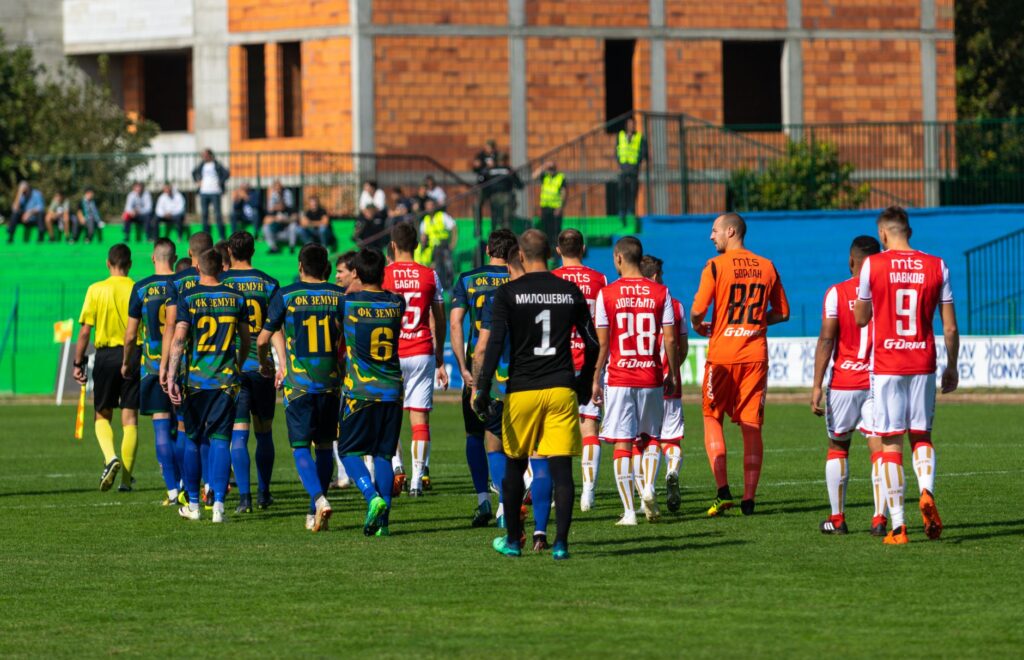

Introduction to the Underdog Phenomenon
Football is a sport driven by dreams, where the extraordinary can occasionally disrupt the expected hierarchy. Across domestic football leagues, the vast majority of clubs operate in the shadow of wealthy powerhouses. Yet, unique tournament structures and dramatic knockout matches occasionally open a door for the unexpected. When a club from outside the top division manages to secure a spot in continental competition, it represents one of the most remarkable achievements in modern sports.
The Path to Continental Glory
The journey for a second-tier club reaching continental qualification typically begins with a miraculous cup run. Domestic cup competitions offer a rare equalizer where clubs from varying tiers meet on equal footing. For a lower-division team, stringing together multiple upset victories against established top-flight opponents requires immense tactical discipline, resilience, and a touch of fortune. Winning such a tournament trophy does not merely bring prestige; it unlocks a gateway to international stages that previously existed only in imagination.
Preparing for Elite Opposition
Transitioning from facing regional rivals to preparing for elite continental adversaries introduces monumental logistical and competitive challenges. Clubs must assess whether their infrastructure meets stringent tournament regulations, often requiring stadium upgrades or temporary relocations. On the pitch, coaching staffs face the daunting task of devising strategies to neutralize world-class players with squads built on a fraction of the budget. Every training session takes on heightened significance as the team braces for the intensity of international fixtures.
Financial Realities and Windfalls
Qualification for major European tournaments brings unprecedented financial implications for a lower-division organization. Participation bonuses, television revenue shares, and gate receipts from hosting high-profile matches can completely transform a club’s financial health. For teams accustomed to tight operating budgets, these funds provide a vital opportunity to invest in youth academies, training facilities, and long-term sustainability rather than relying solely on speculative player sales.
Capturing the Imagination of Fans
Beyond the economics and the tactics, the presence of a lower-tier underdog in international competition revitalizes the local community. Supporters who have endured decades of regional struggles suddenly find themselves planning trips to iconic continental cities. The atmosphere around the stadium shifts into a celebration of civic pride. Win or lose, the players become immortalized in local history for simply stepping onto the pitch alongside some of the most famous clubs in the world.
Lasting Impact on the Club
The experience of competing on the European stage leaves an indelible mark long after the campaign concludes. Squads gain invaluable exposure, often attracting the attention of scouts from larger clubs, which validates the development work happening within the organization. While maintaining domestic league form while juggling continental fixtures can strain squad depth, the overall prestige permanently elevates the profile of the club, proving that the traditional boundaries of football can still be challenged by determination and belief.