
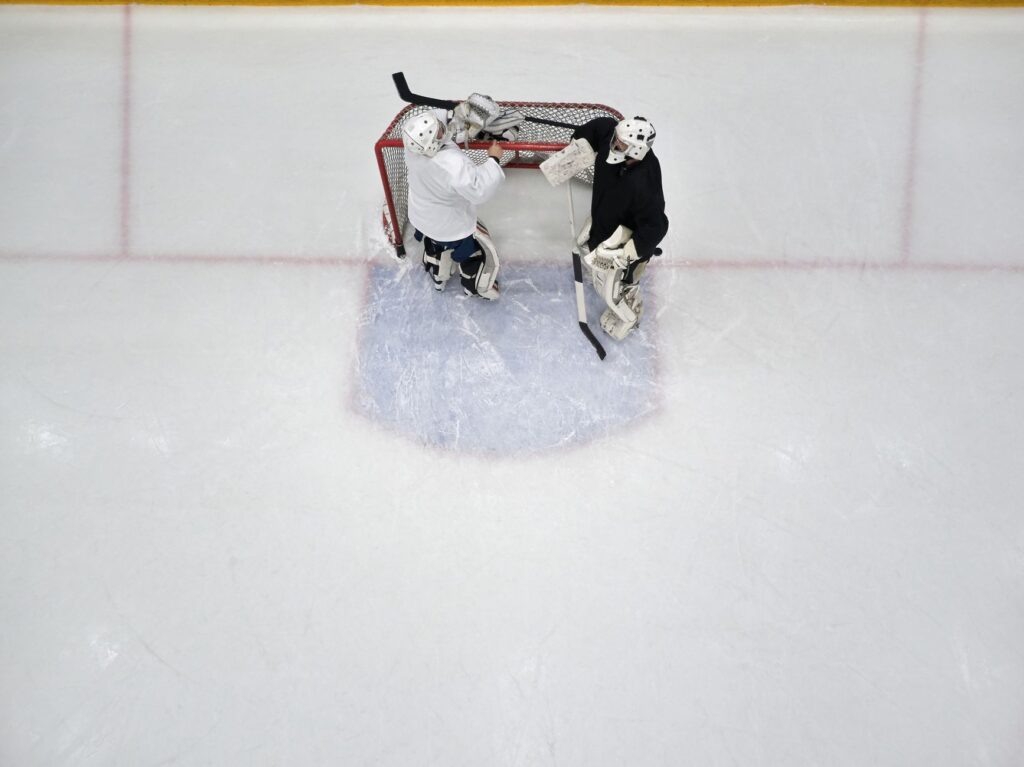

Navigating Goalie Tandems in Fantasy Hockey
Drafting goaltenders is one of the most critical phases in any fantasy hockey league. With the modern National Hockey League heavily relying on a time-share approach between two capable netminders, the traditional workhorse goalie is becoming increasingly rare. Understanding how to evaluate these creases can give managers a massive edge over their league opponents.
Evaluating the Modern Crease Share
In previous eras, fantasy players could comfortably draft a single elite goaltender and expect sixty to seventy starts. Today, front offices prioritize load management and keeping their starters fresh for the postseason. This shift means that fewer than a handful of netminders will reach the seventy-game milestone. Consequently, managers must adapt their draft strategies to account for shared workloads.
When assessing a crease split, the primary objective is identifying high-volume starters on competitive squads. Even if a netminder loses ten to fifteen games to a capable backup, playing behind a strong defensive roster guarantees a steady stream of wins and a healthy save percentage. Conversely, targeting backups on elite teams can serve as an exceptional late-round value strategy, especially if the primary starter gets injured.
Tandems to Target on Draft Day
Identifying the right goaltending duos requires a careful look at team structure and historical deployment. The goal is to secure goalies who offer high ratios while accumulating sufficient volume to anchor your team statistics. Teams that employ a true fifty-fifty split can still provide immense value if both players deliver strong individual performances.
When evaluating these opportunities, look for situations where the coaching staff trusts both players equally. This removes the risk of a sudden workload shift that leaves your fantasy bench accumulating zero points. Prioritize tandems playing for squads with robust defensive metrics, as this minimizes the impact of any individual defensive lapses.
Tandems to Monitor Throughout the Season
Not every crease situation is clear-cut on draft day. Many teams enter the campaign with unsettled goaltending battles, making vigilance essential. Monitoring training camps and early-season deployment helps managers capitalize on emerging trends before their league rivals catch on.
Some shared situations involve a veteran starter holding off a talented young prospect. These battles often result in a gradual changing of the guard as the season progresses. Securing the younger option as a late-round bench stash can pay enormous dividends if they eventually seize the lion share of the starts.
Tandems to Pass On Entirely
Equally important as knowing who to draft is recognizing which situations to avoid. Certain crease splits involve low-tier teams with porous defenses, resulting in sub-par save percentages and inflated goals-against averages regardless of who is in the net.
Furthermore, avoid situations where a volatile rotation creates unpredictable starts. If a coaching staff continuously rides the hot hand without a clear hierarchy, predicting weekly matchups becomes a nightmare. It is usually best to bypass these messy situations entirely and invest those draft picks into more stable roster positions.